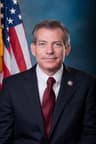
David Schweikert (R-AZ)
To establish a pilot program for use by U.S. Customs and Border Protection at land ports of entry along the Arizona border to assess the use of artificial intelligence through an anomaly detection algorithm, and for other purposes.
A Republican bill with no cosponsors
Last activity — Referred to the Subcommittee on Border Security and Enforcement.
In committee
Introduced and handed to a committee in the chamber it started in.
The committee holds it, and most bills are never heard from again. A hearing or a committee vote would be news; silence is the usual outcome, and it kills the bill without anyone voting against it.
Its path through Congress
- Introduced
- In Committee
What this bill would do
This bill requires the Commissioner of U.S. Customs and Border Protection to start a two-year pilot program at land ports of entry along the Arizona border. The program will test an artificial intelligence anomaly detection algorithm to help screen, inspect, and interdict illicit drugs and contraband. It aims to assist officers, improve inspection thoroughness, enhance detection accuracy, and strengthen overall border security. The Secretary of Homeland Security must ensure the algorithm meets cybersecurity requirements and ongoing risk management. The Commissioner of CBP is also required to submit progress reports and a final report to Congress detailing metrics, successes, failures, and cost effectiveness recommendations.
Yes· 3 of 9
- Scored +7
Does this tighten control of the border?
The bill directly mandates a pilot program utilizing artificial intelligence to enhance screening, inspection, and interdiction at the Arizona border.
- Scored +5
Does this do more about addiction and overdose deaths?
By improving the detection and interdiction of illicit drugs at the border, the bill supports efforts to curb the flow of dangerous substances like opioids.
- Scored +4
Does this better protect the country from computer attacks?
The legislation explicitly mandates rigorous and ongoing cyber risk management and adherence to DHS cybersecurity requirements for the AI algorithm.
The opposite
No question was scored the opposite.
Who it would affect, and how
Potential Positive Impacts for People
-
Assistance with Understaffing: Section 1(b)(1) states the pilot program will test the algorithm's ability to assist with inefficiencies and the understaffing of CBP officers, which could help relieve overworked staff.
-
Better Drug Detection: Section 1(b)(3) notes the algorithm will be tested to improve the accuracy of illicit drug and contraband detection, which could help keep illegal substances out of the country.
-
Faster Processing Times: Section 1(b)(4) points out that the program will be assessed on its ability to improve efficiency and processing times for people moving through ports of entry.
-
Cybersecurity Protection: Section 1(c) requires the Secretary of Homeland Security to ensure that the algorithm satisfies all Department of Homeland Security cybersecurity requirements and undergoes rigorous risk management, protecting government systems.
Potential Negative Impacts for People
The provided text does not contain any explicit mentions of negative outcomes, burdens, or consequences for individuals or groups of people in the United States.
Groups and Interests Ranking
Every group the model scored this bill for, from -10 to +10. Tap or hover a score for the reason it gave.
- National Security And Foreign Policy
- Does this better protect the country from computer attacks? — The legislation explicitly mandates rigorous and ongoing cyber risk management and adherence to DHS cybersecurity requirements for the AI algorithm. Does this give the government more power to monitor people inside the country? — The deployment of AI-driven anomaly detection algorithms at ports of entry introduces advanced screening technologies that touch upon border surveillance. Does this make trade with other countries easier? — By improving processing times and efficiency at land ports of entry, legitimate commercial trade may experience smoother transit.
- Social Issues And Justice
- Does this tighten control of the border? — The bill directly mandates a pilot program utilizing artificial intelligence to enhance screening, inspection, and interdiction at the Arizona border.
- Governance And Ideology
- Does this make what the government does easier for the public to see? — The legislation requires regular progress reports and a comprehensive final report to Congress detailing metrics, successes, and failures. Does this give the federal government more power? — The bill expands federal operational testing of artificial intelligence tools within U.S. Customs and Border Protection.
- Healthcare
- Does this do more about addiction and overdose deaths? — By improving the detection and interdiction of illicit drugs at the border, the bill supports efforts to curb the flow of dangerous substances like opioids.
- Demographic And Interest Groups
- Would business owners be better off under this? — Private sector involvement provisions invite industry input and collaboration on implementing the pilot program.
- Economy And Finance
- Does this make the government pay for what it commits to? — The bill requires reporting on operational costs and estimated cost savings, encouraging fiscal mindfulness in technology deployment.
- 7/7/2026
- Referred to the Subcommittee on Border Security and Enforcement.
- 6/30/2026
- Referred to the House Committee on Homeland Security.
- Introduced in House