
A Democratic bill with 4 Republican cosponsors · See all 7 cosponsors
Last activity — Referred to the House Committee on Financial Services.
In committee
Introduced and handed to a committee in the chamber it started in.
The committee holds it, and most bills are never heard from again. A hearing or a committee vote would be news; silence is the usual outcome, and it kills the bill without anyone voting against it.
Its path through Congress
- Introduced
- In Committee
What this bill would do
The "Ounce of Prevention Act" amends the Housing and Community Development Act of 1974. It allows certain grantees to use Community Development Block Grant funds for natural disaster mitigation activities. These activities aim to reduce long-term risks of loss of life, injury, property damage, and hardship from weather-related events. Grantees in high risk areas must include these activities in their consolidated plans. The bill also requires the Secretary of Housing and Urban Development to provide technical assistance and create new rules within one year.
Yes· 3 of 39
- Scored +7
Does this improve help for people hit by a disaster?
Directly enhances disaster mitigation and resilience by allowing CDBG funds to be used for high-risk hazard events.
- Scored +6
Would households on low incomes be better off under this?
Low-income households suffer disproportionately from property loss and hardship during disasters.
- Scored +5
Would farmers be better off under this?
Farmers are highly exposed to weather-related hazard events that threaten their livelihood.
The opposite
No question was scored the opposite.
Who it would affect, and how
Potential Positive Impacts for People
-
Reduced Risk of Harm: By allowing funds for "mitigation activities," the bill seeks to reduce or eliminate the long-term risk of loss of life, injury, and suffering and hardship (Section 2(a)(2)).
-
Property Protection: The bill enables activities that reduce the "loss of property" caused by future disasters (Section 2(a)(2)).
-
Community Health and Welfare: The bill allows the use of grants to mitigate threats to the "health and welfare of a community" caused by weather-related disaster and hazard events (Section 2(a)(1)).
-
Infrastructure Improvement: Grantees can use funds for the "new construction and rehabilitation of structures" for natural disaster mitigation (Section 2(a)(4)(A)(ii)).
-
Support for Local Governments: The Secretary is required to provide "technical assistance" to grantees using these funds for mitigation (Section 2(a)(4)(B)(i)(2)).
Potential Negative Impacts for People
- No negative impacts for individuals or groups of people are explicitly mentioned in the provided text.
Groups and Interests Ranking
Every group the model scored this bill for, from -10 to +10. Tap or hover a score for the reason it gave.
- Demographic And Interest Groups
- Would households on low incomes be better off under this? — Low-income households suffer disproportionately from property loss and hardship during disasters. Would farmers be better off under this? — Farmers are highly exposed to weather-related hazard events that threaten their livelihood. Would people with disabilities be better off under this? — Mitigation of hazards reduces the high risk and hardship experienced by people with disabilities during disasters. Would people in rural areas be better off under this? — Provides targeted funding for high-risk rural areas through CDBG grants. Would people in cities be better off under this? — Provides targeted funding for high-risk urban areas through CDBG grants. Would Black Americans be better off under this? — Historically marginalized communities often reside in high-risk areas with less infrastructure resilience. Would Asian Americans be better off under this? — Historically marginalized communities often reside in high-risk areas with less infrastructure resilience. Would business owners be better off under this? — Protects business structures and infrastructure from natural disaster damage. Would Hispanic Americans be better off under this? — Historically marginalized communities often reside in high-risk areas with less infrastructure resilience. Would immigrants be better off under this? — Protects residents in high-risk areas who may lack other forms of disaster insurance. Would middle-income households be better off under this? — Protects property and reduces risk of hardship from weather-related events. Would Native Americans be better off under this? — Historically marginalized communities often reside in high-risk areas with less infrastructure resilience. Would retired people be better off under this? — Protects the safety and property of elderly residents who are more vulnerable to disaster impacts. Would people over 65 be better off under this? — Seniors are often more vulnerable to health and welfare threats posed by natural disasters. Would white Americans be better off under this? — Protects property and safety from natural disaster events. Would billionaires be better off under this? — Protects assets from natural disaster damage. Would children be better off under this? — Reduces long-term risk of injury and loss of life from disasters for all residents. Would high-income households be better off under this? — Protects property and reduces risk from disasters. Would people with substantial wealth be better off under this? — Protects assets from natural disaster damage. Would LGBTQ people be better off under this? — Reduces general risk of injury and loss of life from disasters. Would men be better off under this? — Reduces general risk of injury and loss of life from disasters. Would people in middle age be better off under this? — Reduces long-term risk of injury and loss of life from disasters for all residents. Would students be better off under this? — Reduces risk of displacement and injury from natural disasters. Would the very wealthiest people be better off under this? — Protects assets from natural disaster damage. Would veterans be better off under this, taking everything together? — Reduces general risk of injury and loss of life from disasters. Would women be better off under this? — Reduces general risk of injury and loss of life from disasters. Would people in their twenties and thirties be better off under this? — Reduces long-term risk of injury and loss of life from disasters for all residents. Would union members be better off under this? — Likely to benefit from increased construction and rehabilitation projects.
- Environment Energy And Infrastructure
- Does this improve help for people hit by a disaster? — Directly enhances disaster mitigation and resilience by allowing CDBG funds to be used for high-risk hazard events. Does this invest in rural communities? — Provides high-risk areas, which often include rural communities, with funds for disaster mitigation. Does this repair or build roads and bridges? — Broadly supports the rehabilitation of structures for disaster resilience.
- Social Issues And Justice
- Does this make housing cost less? — The bill allows CDBG funds for the rehabilitation and new construction of structures to mitigate disaster risks. Is this likely to lift people out of poverty? — Reducing the loss of property and hardship from disasters prevents families from falling into poverty. Is this likely to reduce homelessness? — Preventing property loss from disasters reduces the risk of displacement and homelessness.
- Economy And Finance
- Does this make the government pay for what it commits to? — Investing in prevention (mitigation) typically reduces the cost of future emergency disaster recovery. Is this likely to create jobs? — Construction and rehabilitation of structures for disaster mitigation may create local jobs. Is this likely to grow the economy? — Reducing long-term property loss and hardship helps maintain community economic stability.
- Governance And Ideology
- Does this leave more decisions to the states? — Allows local grantees more flexibility in how they use federal funds to address specific local risks. Does this give the federal government more power? — Increases the scope of HUD's regulatory authority over how CDBG funds are utilized for mitigation.
- 9/3/2026
- 2 Cosponsors added.
- 7/13/2026
- 2 Cosponsors added.
- 6/30/2026
- Referred to the House Committee on Financial Services.
- 3 Cosponsors added.
- Introduced in House
 Brian Fitzpatrick
Republican · Pennsylvania
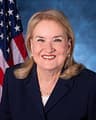 Sylvia Garcia
Democrat · Texas
 Michael Lawler
Republican · New York
 Brittany Pettersen
Democrat · Colorado
 Maria Salazar
Republican · Florida
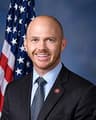 William Timmons
Republican · South Carolina
 Jill Tokuda
Democrat · Hawaii