
A Republican bill with 1 Republican cosponsor · See the cosponsor
Last activity — Referred to the House Committee on Education and Workforce.
In committee
Introduced and handed to a committee in the chamber it started in.
The committee holds it, and most bills are never heard from again. A hearing or a committee vote would be news; silence is the usual outcome, and it kills the bill without anyone voting against it.
Its path through Congress
- Introduced
- In Committee
What this bill would do
This bill is called the Mental Health Parity Enforcement and Funding Act. It allows for civil monetary penalties when there are violations of mental health parity requirements. The bill updates the Employee Retirement Income Security Act of 1974 to apply these penalties to plan sponsors, service providers, plan administrators, and issuers. It also sets up exceptions to the general prohibition on enforcement regarding these rules. Finally, the bill appropriates thirty million dollars for each of fiscal years 2027 through 2031 to the Employee Benefits Security Administration.
Yes· 3 of 30
- Scored +8
Does this make mental health care easier to get?
By enforcing mental health and substance use disorder parity requirements, the bill improves access to and accountability for mental health services.
- Scored +7
Would people with disabilities be better off under this?
Individuals with mental health and psychiatric disabilities are directly aided by strengthened parity enforcement.
- Scored +7
Does this make health care easier to get in general?
Ensuring parity requirements helps individuals receive proper coverage for mental health and substance use care.
The opposite
- Scored -2
Would business owners be better off under this?
Business owners and plan sponsors face potential civil monetary penalties for non-compliance with parity regulations.
Who it would affect, and how
Potential Positive Impacts for People
-
Section 2 allows for civil monetary penalties against plan sponsors, service providers, plan administrators, or issuers for failing to meet mental health and substance use disorder benefits parity requirements. This holds officials and entities accountable for following the rules regarding mental health benefits.
-
Section 3 appropriates thirty million dollars for each of fiscal years 2027 through 2031 to the Employee Benefits Security Administration to carry out these important amendments. This funding helps ensure the government has the resources needed to enforce these protections.
Potential Negative Impacts for People
- The provided text does not contain any explicit information about negative consequences or burdens for individuals or groups of people in the United States.
Groups and Interests Ranking
Every group the model scored this bill for, from -10 to +10. Tap or hover a score for the reason it gave.
- Demographic And Interest Groups
- Would people with disabilities be better off under this? — Individuals with mental health and psychiatric disabilities are directly aided by strengthened parity enforcement. Would LGBTQ people be better off under this? — LGBTQ individuals often face higher rates of mental health needs and benefit greatly from enforced parity laws. Would households on low incomes be better off under this? — Low-income households relying on employer or group coverage benefit significantly from enforced mental health coverage parity. Would middle-income households be better off under this? — Middle-class families gain stronger protections and reduced out-of-pocket costs for mental health and addiction care. Would union members be better off under this? — Union workers with employer-sponsored group health plans receive stronger protections for mental health and addiction care. Would children be better off under this? — Better enforcement of mental health parity helps children access needed behavioral health services. Would men be better off under this? — Men seeking treatment for mental health and substance use disorders benefit from stricter parity compliance. Would people in middle age be better off under this? — Middle-aged individuals and their families benefit from improved enforcement of health insurance mental health benefits. Would women be better off under this? — Women, who statistically utilize mental health services at higher rates, benefit from improved parity enforcement. Would people in their twenties and thirties be better off under this? — Young adults frequently experience mental health needs that will be better covered under enforced parity rules. Would Black Americans be better off under this? — Improved mental health parity enforcement can help address healthcare disparities in minority communities. Would Hispanic Americans be better off under this? — Enforcing mental health parity improves access to care for Hispanic communities facing coverage barriers. Would people in rural areas be better off under this? — Rural residents often face provider shortages and benefit from stronger regulatory backing for mental health parity. Would students be better off under this? — Students covered under family or group health plans benefit from increased mental health benefit protections. Would veterans be better off under this, taking everything together? — Veterans with group health plans or private insurance outside the VA system benefit from stricter mental health enforcement. Would Asian Americans be better off under this? — Asian Americans benefit from broader and more equitable enforcement of mental health benefits. Would immigrants be better off under this? — Immigrants covered by group health plans benefit from stronger enforcement of mental health and substance use parity. Would Native Americans be better off under this? — Native Americans covered by applicable group health plans benefit from enhanced mental health parity protections. Would people over 65 be better off under this? — Seniors with employer-sponsored or private group plans may benefit from mental health parity provisions. Would people in cities be better off under this? — Urban residents benefit from better enforcement of mental health parity across group insurance plans. Would white Americans be better off under this? — White Americans covered under group health plans benefit from stronger mental health benefit enforcement. Would farmers be better off under this? — Farmers with group health coverage benefit from improved access to mental health services. Would high-income households be better off under this? — High-income households with group health plans also gain access to properly enforced mental health benefits. Would retired people be better off under this? — Retirees with supplemental or group health coverage may see minor benefits from overall mental health parity rules. Would business owners be better off under this? — Business owners and plan sponsors face potential civil monetary penalties for non-compliance with parity regulations.
- Healthcare
- Does this make mental health care easier to get? — By enforcing mental health and substance use disorder parity requirements, the bill improves access to and accountability for mental health services. Does this make health care easier to get in general? — Ensuring parity requirements helps individuals receive proper coverage for mental health and substance use care. Does this do more about addiction and overdose deaths? — Enforcing substance use disorder parity requirements directly aids in addressing addiction and the opioid crisis.
- Economy And Finance
- Does this give people more protection from unfair business practices? — The bill provides better regulatory oversight and protections for consumers regarding mental health parity.
- Social Issues And Justice
- Does this expand the rights of people with disabilities? — Enforcement of mental health parity aids individuals dealing with mental health conditions and psychiatric disabilities.
- Governance And Ideology
- Does this give the federal government more power? — The bill increases federal enforcement capacity and introduces civil monetary penalties under ERISA.
- 7/13/2026
- 1 Cosponsor added.
- 6/30/2026
- Referred to the House Committee on Education and Workforce.
- Introduced in House
One bill Congress.gov lists as related to this one — companions in the other chamber, earlier versions, and bills this one absorbed or was folded into.
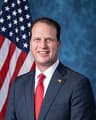 August Pfluger
Republican · Texas