
A Democratic bill with 10 Democratic cosponsors · See all 10 cosponsors
Last activity — Referred to the Committee on Education and Workforce, and in addition to the Committees on Oversight and Government Reform, and House Administration, for a period to be subsequently determined by the Speaker, in each case for consideration of such provisions as fall within the jurisdiction of the committee concerned.
In committee
Introduced and handed to a committee in the chamber it started in.
The committee holds it, and most bills are never heard from again. A hearing or a committee vote would be news; silence is the usual outcome, and it kills the bill without anyone voting against it.
Its path through Congress
- Introduced
- In Committee
What this bill would do
The bill, known as the Stop Spying Bosses Act, places strict limits on how employers can watch, monitor, and collect data on workers and job applicants. It sets up a new Worker Protection and Technology Division inside the Department of Labor to oversee these rules and handle complaints. Employers must clearly tell workers what data they collect and why, and give workers the right to see and fix mistakes in their files. The legislation bans the selling of worker data and outlaws spying on off-duty workers or union activities. Finally, it gives workers and labor unions the power to sue companies in federal court if they break these rules.
Yes· 3 of 9
- Scored +9
Does this protect people from being watched or searched?
The bill protects workers from intrusive surveillance of personal identity markers and off-duty activities.
- Scored +8
Does this give people more control over their personal data?
The bill establishes strict rules on the collection, usage, and disclosure of employee data.
- Scored +6
Would union members be better off under this?
The bill prohibits monitoring of union-related activities and protects organizing rights.
The opposite
- Scored -4
Would business owners be better off under this?
The bill imposes new compliance, disclosure, and record-keeping requirements on employers.
Who it would affect, and how
Potential Positive Impacts for People
-
Protection from Off-Duty Surveillance: Under Section 3(a)(2), employers are banned from collecting data on workers while they are off-duty, including when they are in break rooms, restrooms, lactation rooms, places of worship, or at home. This protects personal privacy and gives workers peace of mind when they are not on the clock.
-
Right to Access and Correct Personal Records: Under Section 5(a), employers must let workers view the data collected on them and correct any information that is incomplete or wrong. This ensures that employment decisions are not based on faulty or inaccurate information.
-
Strong Whistleblower Protections: Under Section 8(a), employers are barred from punishing, threatening, or harassing workers who report violations or speak out about privacy concerns. This protects workers who stand up for their rights from retaliation.
-
Bans on Selling Worker Data: Under Section 3(c)(1), employers and their service providers are completely prohibited from selling or licensing worker data to anyone. This stops companies from profiting off of workers' personal information.
Potential Negative Impacts for People
- Increased Administrative Burdens and Costs: Under Section 4, employers must provide detailed, ongoing disclosures about every piece of data they collect, how they store it, and how it impacts work decisions. Smaller businesses or employers with limited resources might struggle with the heavy paperwork and setup costs required to meet these rules.
Groups and Interests Ranking
Every group the model scored this bill for, from -10 to +10. Tap or hover a score for the reason it gave.
- Demographic And Interest Groups
- Would union members be better off under this? — The bill prohibits monitoring of union-related activities and protects organizing rights. Would people with disabilities be better off under this? — The bill limits the collection of disability status information unrelated to job functions. Would households on low incomes be better off under this? — The bill provides protections against workplace surveillance that could affect job security. Would middle-income households be better off under this? — The bill protects employee privacy and restricts the use of personal data in employment decisions. Would business owners be better off under this? — The bill imposes new compliance, disclosure, and record-keeping requirements on employers.
- Governance And Ideology
- Does this protect people from being watched or searched? — The bill protects workers from intrusive surveillance of personal identity markers and off-duty activities. Does this make what the government does easier for the public to see? — The bill mandates that employers disclose what employee data is collected and how it affects work decisions.
- Education And Technology
- Does this give people more control over their personal data? — The bill establishes strict rules on the collection, usage, and disclosure of employee data.
- Economy And Finance
- Does this strengthen the rights of workers to organise? — The bill prohibits employers from using data to identify or monitor union-related activities.
- Social Issues And Justice
- Does this expand the rights of people with disabilities? — The bill restricts the collection of health and disability status data unrelated to job duties.
- 9/28/2026
- 1 Cosponsor added.
- 9/2/2026
- 1 Cosponsor added.
- 8/27/2026
- 1 Cosponsor added.
- 8/6/2026
- 3 Cosponsors added.
- 7/23/2026
- 1 Cosponsor added.
- 7/22/2026
- 1 Cosponsor added.
- 6/25/2026
- 1 Cosponsor added.
- 6/23/2026
- Referred to the Committee on Education and Workforce, and in addition to the Committees on Oversight and Government Reform, and House Administration, for a period to be subsequently determined by the Speaker, in each case for consideration of such provisions as fall within the jurisdiction of the committee concerned.
- 1 Cosponsor added.
- Introduced in House
One bill Congress.gov lists as related to this one — companions in the other chamber, earlier versions, and bills this one absorbed or was folded into.
 Yassamin Ansari
Democrat · Arizona
 Suzanne Bonamici
Democrat · Oregon
 André Carson
Democrat · Indiana
 Judy Chu
Democrat · California
 Greg Casar
Democrat · Texas
 Adelita Grijalva
Democrat · Arizona
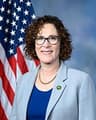 Val Hoyle
Democrat · Oregon
 Eleanor Norton
Democrat · District of Columbia
 Mark Pocan
Democrat · Wisconsin
 Frederica Wilson
Democrat · Florida