
W. Steube (R-FL)
Government Bailout Prevention Act
A Republican bill with 3 Republican cosponsors · See all 3 cosponsors
Last activity — Referred to the Committee on Oversight and Government Reform, and in addition to the Committee on Financial Services, for a period to be subsequently determined by the Speaker, in each case for consideration of such provisions as fall within the jurisdiction of the committee concerned.
In committee
Introduced and handed to a committee in the chamber it started in.
The committee holds it, and most bills are never heard from again. A hearing or a committee vote would be news; silence is the usual outcome, and it kills the bill without anyone voting against it.
Its path through Congress
- Introduced
- In Committee
What this bill would do
The "Government Bailout Prevention Act" aims to stop the federal government from helping state and local governments or school districts that are in financial trouble. It prohibits using federal funds to purchase, guarantee, or provide loans to entities that have defaulted, filed for bankruptcy, or are at risk of defaulting on their obligations. This restriction also prevents the Secretary of the Treasury from using borrowed funds to assist these entities. Additionally, the bill stops Federal Reserve banks from providing financial assistance or purchasing bonds for such entities. However, these rules do not apply to assistance provided for declared disasters.
Yes· 3 of 4
- Scored +6
Does this make the government pay for what it commits to?
The bill enforces fiscal discipline by prohibiting the use of federal funds for entities facing bankruptcy or default.
- Scored +5
Does this reduce what the federal government spends?
The act prevents the Treasury and Federal Reserve from spending funds to assist defaulting government entities.
- Scored +4
Does this leave more decisions to the states?
The bill removes the federal safety net for state and local entities, leaving them to manage their own financial distress.
The opposite· 3 of 5
- Scored -7
Does this put more money into public schools?
The bill restricts the ability of school districts to receive federal grants-and-aid if they are facing financial instability.
- Scored -6
Would people in cities be better off under this?
Municipal and local governments often face higher risks of default, and this bill denies them federal financial assistance.
- Scored -6
Would people in rural areas be better off under this?
Local and county governments in rural areas could be deprived of federal aid if they face financial distress.
Who it would affect, and how
Potential Positive Impacts for People
-
Prevention of Federal Bailouts: By prohibiting the use of federal funds to purchase or guarantee obligations for entities that have defaulted or are at risk of defaulting, the bill seeks to prevent financial assistance to struggling governments (Section 3(a)).
-
Restricting Treasury Assistance: The bill prevents the Secretary of the Treasury from using general fund revenues or borrowed funds to assist entities that have filed for bankruptcy or are likely to default (Section 3(b)).
-
Limiting Federal Reserve Involvement: The act stops Federal Reserve banks from providing loans, credits, or purchasing bonds for entities with taxing or bonding authority that are facing financial instability (Section 3(c)).
Potential Negative Impacts for People
-
Loss of Financial Support for At-Risk Entities: State and local governments, including school districts, that are at risk of defaulting or are facing bankruptcy will be prohibited from receiving federal funds, grants-and-aid, or lines of credit (Section 3(a)).
-
Restriction of Federal Reserve Financial Instruments: Entities with taxing or bonding authority may lose access to financial instruments, loan guarantees, or bond purchases from Federal Reserve banks if they are facing financial distress (Section 3(c)).
Groups and Interests Ranking
Every group the model scored this bill for, from -10 to +10. Tap or hover a score for the reason it gave.
- Demographic And Interest Groups
- Would people in rural areas be better off under this? — Local and county governments in rural areas could be deprived of federal aid if they face financial distress. Would people in cities be better off under this? — Municipal and local governments often face higher risks of default, and this bill denies them federal financial assistance. Would households on low incomes be better off under this? — The loss of federal support for local governments may negatively affect public services relied upon by low-income residents. Would middle-income households be better off under this? — Financial instability in local governments could impact the public services and infrastructure utilized by middle-class families.
- Economy And Finance
- Does this make the government pay for what it commits to? — The bill enforces fiscal discipline by prohibiting the use of federal funds for entities facing bankruptcy or default. Does this reduce what the federal government spends? — The act prevents the Treasury and Federal Reserve from spending funds to assist defaulting government entities. Does this reduce what the federal government owes? — The bill limits government expenditure by prohibiting bailouts of insolvent state and local entities.
- Education And Technology
- Does this put more money into public schools? — The bill restricts the ability of school districts to receive federal grants-and-aid if they are facing financial instability.
- Governance And Ideology
- Does this leave more decisions to the states? — The bill removes the federal safety net for state and local entities, leaving them to manage their own financial distress.
- 6/24/2026
- 1 Cosponsor added.
- 6/15/2026
- Referred to the Committee on Oversight and Government Reform, and in addition to the Committee on Financial Services, for a period to be subsequently determined by the Speaker, in each case for consideration of such provisions as fall within the jurisdiction of the committee concerned.
- 2 Cosponsors added.
- Introduced in House
One bill Congress.gov lists as related to this one — companions in the other chamber, earlier versions, and bills this one absorbed or was folded into.
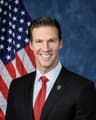 Pat Harrigan
Republican · North Carolina
 Scott Perry
Republican · Pennsylvania
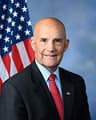 Keith Self
Republican · Texas