
A Democratic bill with 1 Republican cosponsor · See all 88 cosponsors
Last activity — Referred to the Committee on Ways and Means, and in addition to the Committee on Energy and Commerce, for a period to be subsequently determined by the Speaker, in each case for consideration of such provisions as fall within the jurisdiction of the committee concerned.
In committee
Introduced and handed to a committee in the chamber it started in.
The committee holds it, and most bills are never heard from again. A hearing or a committee vote would be news; silence is the usual outcome, and it kills the bill without anyone voting against it.
Its path through Congress
- Introduced
- In Committee
What this bill would do
The "Stop the Wait Act of 2025" aims to remove the waiting period for people to receive Social Security disability insurance benefits. It creates a phase-down process from 2025 until the waiting period is fully eliminated on January 1, 2030. Additionally, the bill provides certain individuals without minimum essential coverage earlier access to Medicare eligibility.
Yes· 3 of 26
- Scored +10
Would people with disabilities be better off under this?
This bill specifically targets and removes barriers to benefits for people with disabilities.
- Scored +9
Would households on low incomes be better off under this?
Provides immediate financial support to those who cannot wait for benefit windows.
- Scored +9
Does this expand the rights of people with disabilities?
Significantly improves the financial and healthcare security of individuals with disabilities by removing waiting periods.
The opposite
- Scored -5
Does this reduce what the federal government spends?
The bill increases government spending by expanding eligibility and accelerating benefit payouts.
- Scored -3
Does this reduce what the federal government owes?
Eliminating waiting periods for benefits will likely increase federal expenditures.
- Scored -3
Does this make the government pay for what it commits to?
Increased spending on benefits without a specified funding source may decrease fiscal responsibility.
Who it would affect, and how
Potential Positive Impacts for People
-
Faster Access to Disability Benefits: The bill eliminates the waiting period for disability insurance benefits, meaning people can receive payments sooner. This is detailed in Section 2(a).
-
Gradual Reduction of Wait Times: For those applying between 2025 and 2029, the waiting period is reduced incrementally each year. This is outlined in Section 2(b).
-
Earlier Medicare Eligibility: Certain individuals under age 65 without minimum essential coverage can bypass the 24-month waiting period for Medicare benefits and receive them retroactively. This is found in Section 3(a)(1).
-
Special Enrollment Opportunities: The bill creates special enrollment periods for those entitled to Medicare benefits under the new rules, allowing them to sign up for coverage more quickly. This is specified in Section 3(b).
Groups and Interests Ranking
Every group the model scored this bill for, from -10 to +10. Tap or hover a score for the reason it gave.
- Demographic And Interest Groups
- Would people with disabilities be better off under this? — This bill specifically targets and removes barriers to benefits for people with disabilities. Would households on low incomes be better off under this? — Provides immediate financial support to those who cannot wait for benefit windows. Would people in middle age be better off under this? — Middle-aged disabled individuals benefit from the elimination of waiting periods. Would veterans be better off under this, taking everything together? — Disabled veterans may benefit from faster access to Medicare and SSDI. Would people in their twenties and thirties be better off under this? — Younger disabled adults benefit from earlier access to benefits and healthcare. Would middle-income households be better off under this? — Reduces financial strain on households supporting a disabled member. Would retired people be better off under this? — Improves the transition and eligibility for Medicare for certain disabled retirees. Would people over 65 be better off under this? — Seniors transition into Medicare and disability benefits more efficiently. Would Black Americans be better off under this? — Positively impacts marginalized groups who are disproportionately affected by disability and poverty. Would Asian Americans be better off under this? — Positively impacts marginalized groups who are disproportionately affected by disability and poverty. Would Hispanic Americans be better off under this? — Positively impacts marginalized groups who are disproportionately affected by disability and poverty. Would LGBTQ people be better off under this? — Broad benefit to all disabled individuals. Would men be better off under this? — Broad benefit to all disabled individuals, including men. Would Native Americans be better off under this? — Positively impacts marginalized groups who are disproportionately affected by disability and poverty. Would people in rural areas be better off under this? — Broadly helpful to any resident with a disability. Would people in cities be better off under this? — Broadly helpful to any resident with a disability. Would white Americans be better off under this? — Positively impacts any disabled citizen regardless of race. Would women be better off under this? — Broad benefit to all disabled individuals, including women.
- Social Issues And Justice
- Does this expand the rights of people with disabilities? — Significantly improves the financial and healthcare security of individuals with disabilities by removing waiting periods. Does this strengthen Social Security? — Directly enhances the Social Security Disability Insurance (SSDI) program by eliminating wait times. Is this likely to lift people out of poverty? — Eliminating wait periods for essential income benefits reduces the risk of poverty for disabled persons. Is this likely to reduce homelessness? — Immediate financial support for disabled individuals reduces the likelihood of homelessness. Does this make housing cost less? — Faster access to disability benefits can help individuals maintain stable housing.
- Healthcare
- Does this make health care easier to get in general? — Provides faster access to Medicare for eligible disabled individuals without essential coverage. Does this put more money into Medicare, the health coverage for people over 65? — The bill expands Medicare eligibility by removing the 24-month waiting period for certain individuals.
- Economy And Finance
- Is this likely to grow the economy? — Increasing disposable income for disabled individuals can provide a small stimulus to local economies. Does this reduce what the federal government spends? — The bill increases government spending by expanding eligibility and accelerating benefit payouts. Does this make the government pay for what it commits to? — Increased spending on benefits without a specified funding source may decrease fiscal responsibility. Does this reduce what the federal government owes? — Eliminating waiting periods for benefits will likely increase federal expenditures.
- 9/14/2026
- 3 Cosponsors added.
- 7/2/2026
- 1 Cosponsor added.
- 4/9/2026
- 1 Cosponsor added.
- 2/3/2026
- 1 Cosponsor added.
- 2/2/2026
- 1 Cosponsor added.
- 10/31/2025
- 2 Cosponsors added.
- 9/30/2025
- 1 Cosponsor added.
- 7/10/2025
- 1 Cosponsor added.
- 4/28/2025
- 1 Cosponsor added.
- 3/25/2025
- 1 Cosponsor added.
- 3/24/2025
- 1 Cosponsor added.
- 3/6/2025
- 1 Cosponsor added.
- 2/4/2025
- Referred to the Committee on Ways and Means, and in addition to the Committee on Energy and Commerce, for a period to be subsequently determined by the Speaker, in each case for consideration of such provisions as fall within the jurisdiction of the committee concerned.
- 73 Cosponsors added.
- Introduced in House
One bill Congress.gov lists as related to this one — companions in the other chamber, earlier versions, and bills this one absorbed or was folded into.
 Yassamin Ansari
Democrat · Arizona
 Sanford Bishop
Democrat · Georgia
 Suzanne Bonamici
Democrat · Oregon
 Julia Brownley
Democrat · California
 Donald Beyer
Democrat · Virginia
 Brendan Boyle
Democrat · Pennsylvania
 Nanette Barragán
Democrat · California
 Emanuel Cleaver
Democrat · Missouri
 Kathy Castor
Democrat · Florida
 Steve Cohen
Democrat · Tennessee
 André Carson
Democrat · Indiana
 Judy Chu
Democrat · California
 Joaquin Castro
Democrat · Texas
 Jason Crow
Democrat · Colorado
 Troy Carter
Democrat · Louisiana
 Jasmine Crockett
Democrat · Texas
 Greg Casar
Democrat · Texas
 Danny Davis
Democrat · Illinois
 Rosa DeLauro
Democrat · Connecticut
 Debbie Dingell
Democrat · Michigan
 Sharice Davids
Democrat · Kansas
 Maxine Dexter
Democrat · Oregon
 Dwight Evans
Democrat · Pennsylvania
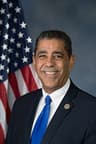 Adriano Espaillat
Democrat · New York
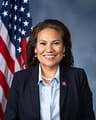 Veronica Escobar
Democrat · Texas
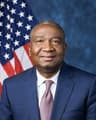 Cleo Fields
Democrat · Louisiana
 Brian Fitzpatrick
Republican · Pennsylvania
 Lizzie Fletcher
Democrat · Texas
 Raúl Grijalva
Democrat · Arizona
 Al Green
Democrat · Texas
 John Garamendi
Democrat · California
 Josh Gottheimer
Democrat · New Jersey
 Jesús García
Democrat · Illinois
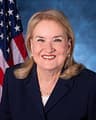 Sylvia Garcia
Democrat · Texas
 Jared Golden
Democrat · Maine
 Daniel Goldman
Democrat · New York
 Adelita Grijalva
Democrat · Arizona
 Jahana Hayes
Democrat · Connecticut
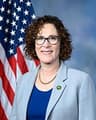 Val Hoyle
Democrat · Oregon
 Henry Johnson
Democrat · Georgia
 Pramila Jayapal
Democrat · Washington
 Jonathan Jackson
Democrat · Illinois
 Julie Johnson
Democrat · Texas
 Ro Khanna
Democrat · California
 Teresa Leger Fernandez
Democrat · New Mexico
 Stephen Lynch
Democrat · Massachusetts
 Summer Lee
Democrat · Pennsylvania
 Gwen Moore
Democrat · Wisconsin
 Grace Meng
Democrat · New York
 Lucy McBath
Democrat · Georgia
 Seth Magaziner
Democrat · Rhode Island
 LaMonica McIver
Democrat · New Jersey
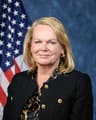 April McClain Delaney
Democrat · Maryland
 Sarah McBride
Democrat · Delaware
 Jerrold Nadler
Democrat · New York
 Eleanor Norton
Democrat · District of Columbia
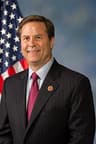 Donald Norcross
Democrat · New Jersey
 Alexandria Ocasio-Cortez
Democrat · New York
 Chellie Pingree
Democrat · Maine
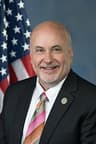 Mark Pocan
Democrat · Wisconsin
 Jimmy Panetta
Democrat · California
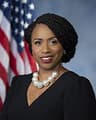 Ayanna Pressley
Democrat · Massachusetts
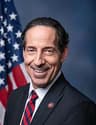 Jamie Raskin
Democrat · Maryland
 Delia Ramirez
Democrat · Illinois
 Josh Riley
Democrat · New York
 Brad Sherman
Democrat · California
 Janice Schakowsky
Democrat · Illinois
 Linda Sánchez
Democrat · California
 Darren Soto
Democrat · Florida
 Mary Gay Scanlon
Democrat · Pennsylvania
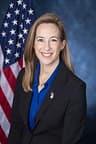 Mikie Sherrill
Democrat · New Jersey
 Emilia Sykes
Democrat · Ohio
 Andrea Salinas
Democrat · Oregon
 Lateefah Simon
Democrat · California
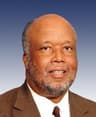 Bennie Thompson
Democrat · Mississippi
 Dina Titus
Democrat · Nevada
 Paul Tonko
Democrat · New York
 Mark Takano
Democrat · California
 Lori Trahan
Democrat · Massachusetts
 Ritchie Torres
Democrat · New York
 Sylvester Turner
Democrat · Texas
 Nydia Velázquez
Democrat · New York
 Marc Veasey
Democrat · Texas
 Maxine Waters
Democrat · California
 Nikema Williams
Democrat · Georgia
 Debbie Wasserman Schultz
Democrat · Florida
 Frederica Wilson
Democrat · Florida
 Bonnie Watson Coleman
Democrat · New Jersey