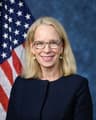
A Democratic bill with 1 Republican cosponsor · See all 3 cosponsors
Last activity — Referred to the House Committee on Energy and Commerce.
In committee
Introduced and handed to a committee in the chamber it started in.
The committee holds it, and most bills are never heard from again. A hearing or a committee vote would be news; silence is the usual outcome, and it kills the bill without anyone voting against it.
Its path through Congress
- Introduced
- In Committee
What this bill would do
The School Access to Naloxone Act of 2026 amends the Public Health Service Act to provide funding for the emergency treatment of opioid overdoses in schools. It allows the Secretary to award grants to eligible entities for the administration of drugs and devices at public and private elementary and secondary schools. To receive a grant, schools must have trained personnel, maintain an accessible supply of treatment devices, and have a plan for trained staff to be present during all operating hours. The bill also requires the State attorney general to certify that there is adequate civil liability protection for the personnel administering the treatment.
Yes· 3 of 10
- Scored +10
Would students be better off under this?
Directly targets student safety by providing life-saving overdose treatment in their educational environment.
- Scored +9
Does this do more about addiction and overdose deaths?
Provides funding and framework for administering naloxone in schools to prevent overdose deaths.
- Scored +8
Would children be better off under this?
Increases safety and life-saving interventions for students in elementary and secondary schools.
The opposite
No question was scored the opposite.
Who it would affect, and how
Potential Positive Impacts for People
-
Emergency Overdose Treatment: The bill allows for grants to provide drugs and devices for the emergency treatment of known or suspected opioid overdoses in public and private elementary and secondary schools (Section 3, subsection a).
-
Access to Trained Staff: It requires schools receiving grants to have a plan to ensure one or more trained individuals are on the premises during all operating hours (Section 3, subsection c(3)).
-
Legal Protection for Responders: The bill requires a certification from the State attorney general that there is adequate civil liability protection for trained personnel who administer emergency treatment (Section 3, subsection c(4)).
Potential Negative Impacts for People
- No negative impacts for individuals or groups are explicitly mentioned in the provided text.
Groups and Interests Ranking
Every group the model scored this bill for, from -10 to +10. Tap or hover a score for the reason it gave.
- Demographic And Interest Groups
- Would students be better off under this? — Directly targets student safety by providing life-saving overdose treatment in their educational environment. Would children be better off under this? — Increases safety and life-saving interventions for students in elementary and secondary schools. Would people in their twenties and thirties be better off under this? — Provides critical overdose treatment access for students in secondary schools. Would households on low incomes be better off under this? — Increases access to emergency medication in schools, which may be critical for those without private healthcare. Would high-income households be better off under this? — Increases school safety for students regardless of income. Would middle-income households be better off under this? — Increases school safety for students regardless of income.
- Healthcare
- Does this do more about addiction and overdose deaths? — Provides funding and framework for administering naloxone in schools to prevent overdose deaths. Does this make health care easier to get in general? — Increases access to emergency opioid overdose treatment in school settings.
- Education And Technology
- Does this put more money into public schools? — Provides grants for public schools to obtain opioid treatment supplies and training.
- Governance And Ideology
- Does this give the federal government more power? — Expands federal grant-making authority under the Public Health Service Act.
- 7/15/2026
- 1 Cosponsor added.
- 6/25/2026
- 1 Cosponsor added.
- 6/10/2026
- Referred to the House Committee on Energy and Commerce.
- 1 Cosponsor added.
- Introduced in House
2 bills Congress.gov lists as related to this one — companions in the other chamber, earlier versions, and bills this one absorbed or was folded into.
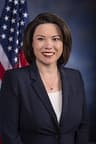 Angie Craig
Democrat · Minnesota
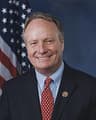 David Joyce
Republican · Ohio
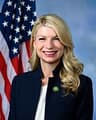 Brittany Pettersen
Democrat · Colorado