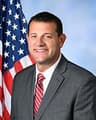
David Valadao (R-CA)
Locating Our Unclaimed Veterans Act
A Republican bill with 1 Democratic cosponsor · See the cosponsor
Last activity — Forwarded by Subcommittee to Full Committee by Voice Vote.
In committee
Introduced and handed to a committee in the chamber it started in.
The committee holds it, and most bills are never heard from again. A hearing or a committee vote would be news; silence is the usual outcome, and it kills the bill without anyone voting against it.
Its path through Congress
- Introduced
- In Committee
What this bill would do
This bill is called the Locating Our Unclaimed Veterans Act. It directs the Secretary of Veterans Affairs to set up a centralized system to store information regarding the unclaimed remains of veterans. This system will include information sent to the Department from coroners, State governments, and funeral homes, as well as details like names, fingerprints, and estimated age of veterans whose remains are in the Secretary's possession. The Secretary is also instructed to request relevant data from agencies like the Social Security Administration, the Federal Bureau of Investigation, and the Department of Defense. This section of the law will expire on the last day of the third fiscal year after its enactment. Finally, the Secretary must submit annual reports to the Committees on Veterans' Affairs of the House of Representatives and the Senate regarding the system's implementation, outreach, and the number of remains successfully identified.
Yes· 3 of 7
- Scored +8
Would veterans be better off under this, taking everything together?
The bill specifically aids deceased veterans by organizing information to help identify their remains and properly honor them.
- Scored +6
Does this increase the pay, pensions or support veterans receive?
The legislation establishes a centralized system to track and identify the unclaimed remains of veterans, directly benefiting the veteran community.
- Scored +5
Does this help veterans get medical care?
The bill improves processes related to veteran remains and identification, supporting veterans and their families posthumously.
The opposite
No question was scored the opposite.
Who it would affect, and how
Potential Positive Impacts for People
-
Section 2(a)(1): This provision requires the Secretary of Veterans Affairs to establish a centralized system to store information on the unclaimed remains of veterans. This is positive because it helps organize information coming from coroners, State governments, and funeral homes to better keep track of these remains.
-
Section 2(a)(1)(B): This provision ensures that details such as the veteran's name, fingerprints, estimated age at death, and other necessary identifiers are stored when remains are in the Secretary's possession. This is beneficial as it helps make reasonable efforts to confirm a veteran's status and identify suitable next-of-kin.
-
Section 2(a)(2)(A): This provision directs the Secretary to request relevant information from the Social Security Administration, the Federal Bureau of Investigation, and the Department of Defense using existing data-sharing memoranda of understanding. This is a positive step to utilize federal agency data in efforts to identify unclaimed remains.
-
Section 2(c): This provision requires the Secretary to submit annual reports to the House and Senate Committees on Veterans' Affairs detailing implementation, outreach activities, and the total number of unclaimed remains successfully identified. This holds officials accountable by requiring them to show the public and Congress whether the program is actually working.
Potential Negative Impacts for People
- Section 2(b): This provision states that the section establishing the information storage system shall expire on the last day of the third fiscal year beginning after the date of the enactment of the Act. This could be viewed as a negative outcome or burden because the program has a strict expiration date and will not last indefinitely to help identify future unclaimed veteran remains unless further action is taken.
Groups and Interests Ranking
Every group the model scored this bill for, from -10 to +10. Tap or hover a score for the reason it gave.
- Demographic And Interest Groups
- Would veterans be better off under this, taking everything together? — The bill specifically aids deceased veterans by organizing information to help identify their remains and properly honor them. Would people over 65 be better off under this? — Older veterans and senior family members benefit from efforts to identify unclaimed remains and locate next-of-kin. Would retired people be better off under this? — Retirees and older veteran populations may see indirect benefits regarding veteran recognition and records management.
- National Security And Foreign Policy
- Does this increase the pay, pensions or support veterans receive? — The legislation establishes a centralized system to track and identify the unclaimed remains of veterans, directly benefiting the veteran community.
- Governance And Ideology
- Does this make what the government does easier for the public to see? — The bill mandates annual reporting to Congress on implementation and identification outcomes, enhancing government accountability. Does this give the federal government more power? — The bill slightly increases federal agency responsibilities by directing the VA to manage a centralized information portal.
- Healthcare
- Does this help veterans get medical care? — The bill improves processes related to veteran remains and identification, supporting veterans and their families posthumously.
- 7/21/2026
- 1 Cosponsor added.
- 6/30/2026
- Subcommittee Consideration and Mark-up Session Held
- Forwarded by Subcommittee to Full Committee by Voice Vote.
- 6/25/2026
- Subcommittee Hearings Held
- 6/22/2026
- Referred to the Subcommittee on Disability Assistance and Memorial Affairs.
- 5/21/2026
- Referred to the House Committee on Veterans' Affairs.
- Introduced in House
 Eugene Vindman
Democrat · Virginia