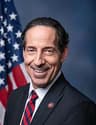
Jamie Raskin (D-MD)
No Taxpayer-Funded Settlement Slush Funds Act of 2026
A Democratic bill with 111 Democratic cosponsors · See all 111 cosponsors
Last activity — Referred to the House Committee on the Judiciary.
In committee
Introduced and handed to a committee in the chamber it started in.
The committee holds it, and most bills are never heard from again. A hearing or a committee vote would be news; silence is the usual outcome, and it kills the bill without anyone voting against it.
Its path through Congress
- Introduced
- In Committee
What this bill would do
The "No Taxpayer-Funded Settlement Slush Funds Act of 2026" limits how federal money is used for compromise settlements and awards. It specifically blocks federal funds from being used for a compensation fund related to the case Trump, et al. v. IRS, et al. The bill prohibits payments to high-ranking officials, including the President, Vice President, cabinet members, and certain political appointees. It also bans payments for claims related to the January 6 attack or foreign interference in the 2016 election. Additionally, it requires the Secretary of the Treasury to report large payments to Congress.
Yes· 3 of 4
- Scored +5
Does this make what the government does easier for the public to see?
Requires the Treasury to report detailed information on large settlements to Congress.
- Scored +3
Does this make the government pay for what it commits to?
Increases oversight of large settlement payments and prevents the use of 'slush funds' for high-ranking officials.
- Scored +2
Does this reduce what the federal government spends?
Prohibits federal spending on certain compromise settlements for high-level officials and specific political events.
The opposite· 3 of 4
- Scored -3
Would people with substantial wealth be better off under this?
Restricts payouts to high-level officials and presidentially-owned entities.
- Scored -3
Would the very wealthiest people be better off under this?
Restricts payouts to high-level officials and presidentially-owned entities.
- Scored -3
Would billionaires be better off under this?
Restricts payouts to high-level officials and presidentially-owned entities.
Who it would affect, and how
Potential Positive Impacts for People
-
Prevents use of public funds for specific legal settlements: Section 2 stops Federal funds from paying for the compensation fund in Trump, et al. v. IRS, et al., which keeps those specific taxpayer funds from being spent.
-
Restricts payments to high-level officials: Section 3(e) prevents compromise settlements or awards from being paid to the President, Vice President, their immediate families, cabinet members, and certain political appointees, ensuring these officials do not receive such payments.
-
Blocks payments for specific political offenses: Section 3(f) ensures taxpayer money is not used for awards related to the January 6 attack or 2016 foreign election interference.
-
Increases government transparency: Section 3(g)(1) requires the Secretary of the Treasury to report details of payments over $100,000 to the House and Senate Judiciary Committees, including the name of the awardee and the facts of the case.
-
Allows for recovery of illegal payments: Section 3(h) gives the Attorney General the power to sue for the repayment of settlements made in violation of the act.
Potential Negative Impacts for People
-
Limits legal recourse for certain individuals: Section 3(e) denies the ability to receive compromise settlements or awards for the President, Vice President, their families, cabinet members, and political appointees.
-
Restricts claims based on specific events: Section 3(f) prevents any person from receiving a compromise settlement or award for claims involving the January 6 attack or 2016 foreign election interference.
Groups and Interests Ranking
Every group the model scored this bill for, from -10 to +10. Tap or hover a score for the reason it gave.
- Demographic And Interest Groups
- Would billionaires be better off under this? — Restricts payouts to high-level officials and presidentially-owned entities. Would people with substantial wealth be better off under this? — Restricts payouts to high-level officials and presidentially-owned entities. Would the very wealthiest people be better off under this? — Restricts payouts to high-level officials and presidentially-owned entities. Would high-income households be better off under this? — Specifically targets high-ranking officials and potentially wealthy entities associated with the presidency.
- Economy And Finance
- Does this make the government pay for what it commits to? — Increases oversight of large settlement payments and prevents the use of 'slush funds' for high-ranking officials. Does this reduce what the federal government spends? — Prohibits federal spending on certain compromise settlements for high-level officials and specific political events. Does this reduce what the federal government owes? — Limits the expenditure of federal funds on specific legal settlements and creates mechanisms to recover illegal payments.
- Governance And Ideology
- Does this make what the government does easier for the public to see? — Requires the Treasury to report detailed information on large settlements to Congress.
- 10/22/2026
- 1 Cosponsor added.
- 9/3/2026
- 1 Cosponsor added.
- 8/27/2026
- 1 Cosponsor added.
- 8/13/2026
- 1 Cosponsor added.
- 8/6/2026
- 1 Cosponsor added.
- 7/2/2026
- 1 Cosponsor added.
- 6/29/2026
- 5 Cosponsors added.
- 6/22/2026
- 1 Cosponsor added.
- 6/15/2026
- 5 Cosponsors added.
- 6/10/2026
- 3 Cosponsors added.
- 6/9/2026
- 11 Cosponsors added.
- 6/2/2026
- 7 Cosponsors added.
- 5/29/2026
- 13 Cosponsors added.
- 5/26/2026
- 14 Cosponsors added.
- 5/21/2026
- 40 Cosponsors added.
- 5/20/2026
- Referred to the House Committee on the Judiciary.
- 6 Cosponsors added.
- Introduced in House
 Alma Adams
Democrat · North Carolina
 Gabe Amo
Democrat · Rhode Island
 Yassamin Ansari
Democrat · Arizona
 Ami Bera
Democrat · California
 Donald Beyer
Democrat · Virginia
 Brendan Boyle
Democrat · Pennsylvania
 Nanette Barragán
Democrat · California
 Nikki Budzinski
Democrat · Illinois
 Becca Balint
Democrat · Vermont
 Wesley Bell
Democrat · Missouri
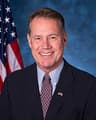 Ed Case
Democrat · Hawaii
 Emanuel Cleaver
Democrat · Missouri
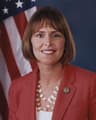 Kathy Castor
Democrat · Florida
 Steve Cohen
Democrat · Tennessee
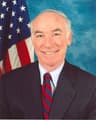 Joe Courtney
Democrat · Connecticut
 Judy Chu
Democrat · California
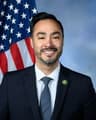 Joaquin Castro
Democrat · Texas
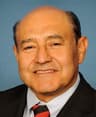 J. Correa
Democrat · California
 Salud Carbajal
Democrat · California
 Angie Craig
Democrat · Minnesota
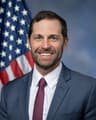 Jason Crow
Democrat · Colorado
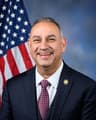 Gilbert Cisneros
Democrat · California
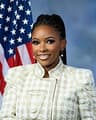 Jasmine Crockett
Democrat · Texas
 Diana DeGette
Democrat · Colorado
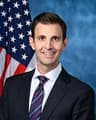 Christopher Deluzio
Democrat · Pennsylvania
 Suzan DelBene
Democrat · Washington
 Mark DeSaulnier
Democrat · California
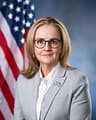 Madeleine Dean
Democrat · Pennsylvania
 Maxine Dexter
Democrat · Oregon
 Dwight Evans
Democrat · Pennsylvania
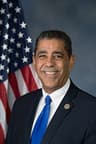 Adriano Espaillat
Democrat · New York
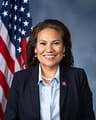 Veronica Escobar
Democrat · Texas
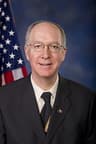 Bill Foster
Democrat · Illinois
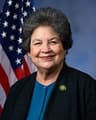 Lois Frankel
Democrat · Florida
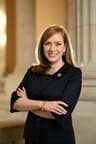 Lizzie Fletcher
Democrat · Texas
 Laura Friedman
Democrat · California
 Josh Gottheimer
Democrat · New Jersey
 Jesús García
Democrat · Illinois
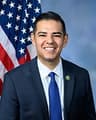 Robert Garcia
Democrat · California
 Daniel Goldman
Democrat · New York
 Adelita Grijalva
Democrat · Arizona
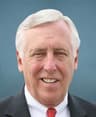 Steny Hoyer
Democrat · Maryland
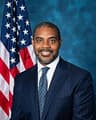 Steven Horsford
Democrat · Nevada
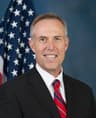 Jared Huffman
Democrat · California
 Jahana Hayes
Democrat · Connecticut
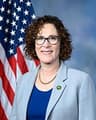 Val Hoyle
Democrat · Oregon
 Henry Johnson
Democrat · Georgia
 Pramila Jayapal
Democrat · Washington
 Jonathan Jackson
Democrat · Illinois
 William Keating
Democrat · Massachusetts
 Robin Kelly
Democrat · Illinois
 Ro Khanna
Democrat · California
 Raja Krishnamoorthi
Democrat · Illinois
 Sydney Kamlager-Dove
Democrat · California
 Zoe Lofgren
Democrat · California
 Rick Larsen
Democrat · Washington
 Stephen Lynch
Democrat · Massachusetts
 Ted Lieu
Democrat · California
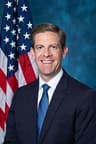 Mike Levin
Democrat · California
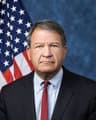 George Latimer
Democrat · New York
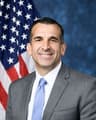 Sam Liccardo
Democrat · California
 James McGovern
Democrat · Massachusetts
 Betty McCollum
Democrat · Minnesota
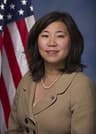 Grace Meng
Democrat · New York
 Seth Moulton
Democrat · Massachusetts
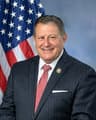 Joseph Morelle
Democrat · New York
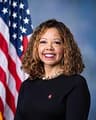 Lucy McBath
Democrat · Georgia
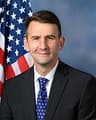 Frank Mrvan
Democrat · Indiana
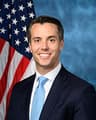 Morgan McGarvey
Democrat · Kentucky
 Seth Magaziner
Democrat · Rhode Island
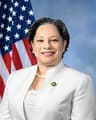 Jennifer McClellan
Democrat · Virginia
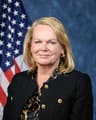 April McClain Delaney
Democrat · Maryland
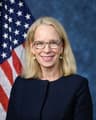 Kelly Morrison
Democrat · Minnesota
 Sarah McBride
Democrat · Delaware
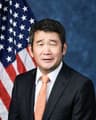 Dave Min
Democrat · California
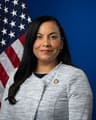 Analilia Mejia
Democrat · New Jersey
 Jerrold Nadler
Democrat · New York
 Eleanor Norton
Democrat · District of Columbia
 Joe Neguse
Democrat · Colorado
 Ilhan Omar
Democrat · Minnesota
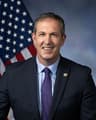 Johnny Olszewski
Democrat · Maryland
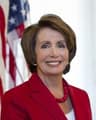 Nancy Pelosi
Democrat · California
 Chellie Pingree
Democrat · Maine
 Brittany Pettersen
Democrat · Colorado
 Deborah Ross
Democrat · North Carolina
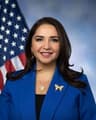 Delia Ramirez
Democrat · Illinois
 Emily Randall
Democrat · Washington
 Brad Sherman
Democrat · California
 Adam Smith
Democrat · Washington
 Janice Schakowsky
Democrat · Illinois
 Linda Sánchez
Democrat · California
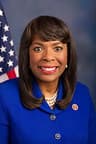 Terri Sewell
Democrat · Alabama
 Mary Gay Scanlon
Democrat · Pennsylvania
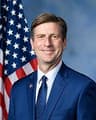 Greg Stanton
Democrat · Arizona
 Kim Schrier
Democrat · Washington
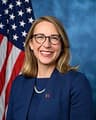 Hillary Scholten
Democrat · Michigan
 Andrea Salinas
Democrat · Oregon
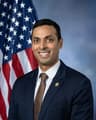 Suhas Subramanyam
Democrat · Virginia
 Lateefah Simon
Democrat · California
 Bennie Thompson
Democrat · Mississippi
 Dina Titus
Democrat · Nevada
 Paul Tonko
Democrat · New York
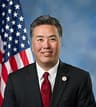 Mark Takano
Democrat · California
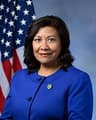 Norma Torres
Democrat · California
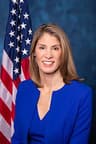 Lori Trahan
Democrat · Massachusetts
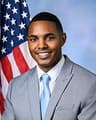 Ritchie Torres
Democrat · New York
 Shri Thanedar
Democrat · Michigan
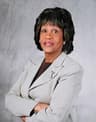 Maxine Waters
Democrat · California
 Debbie Wasserman Schultz
Democrat · Florida
 Bonnie Watson Coleman
Democrat · New Jersey
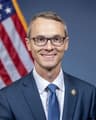 James Walkinshaw
Democrat · Virginia