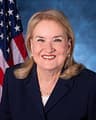
Sylvia Garcia (D-TX)
Incentivizing Local Solutions to Homelessness Act
A Democratic bill with 1 Democratic cosponsor · See the cosponsor
Last activity — Referred to the House Committee on Financial Services.
In committee
Introduced and handed to a committee in the chamber it started in.
The committee holds it, and most bills are never heard from again. A hearing or a committee vote would be news; silence is the usual outcome, and it kills the bill without anyone voting against it.
Its path through Congress
- Introduced
- In Committee
What this bill would do
This bill, known as the "Incentivizing Local Solutions to Homelessness Act," aims to amend the McKinney-Vento Homeless Assistance Act. It creates a process where recipients can request a waiver to exceed current expenditure limits for fiscal years 2027 through 2030. To get a waiver, a recipient must show local need, provide a detailed fund usage plan, and show how it fits their Consolidated Plan. Recipients are also required to notify local groups and solicit public input before requesting a waiver. The Secretary must approve or deny these requests within 60 days and make them public. Additionally, the bill establishes rules for how these approved waivers can be revoked.
Yes· 3 of 8
- Scored +4
Is this likely to reduce homelessness?
The bill facilitates local solutions by allowing recipients to waive expenditure limits to meet specific community needs.
- Scored +3
Does this make housing cost less?
The bill increases flexibility in using funds for housing-related needs and mandates the provision of shelter or permanent housing options during relocations.
- Scored +3
Does this make what the government does easier for the public to see?
The bill requires the Secretary to make all waiver requests and revocations publicly available on the HUD website.
The opposite
No question was scored the opposite.
Who it would affect, and how
Potential Positive Impacts for People
-
Increased funding flexibility: Recipients may be able to request a waiver to the expenditure limit established under section 415(b) for fiscal years 2027 through 2030, which could allow for more local control over funds (Section 2, paragraph 1).
-
Public transparency: The Secretary is required to make all waiver requests publicly available on the Department of Housing and Urban Development website (Section 2, paragraph 2, subparagraph C, i).
-
Community involvement: Recipients are required to solicit public input regarding the potential need for and proposed uses of a waiver before submitting a request (Section 2, paragraph 2, subparagraph B, ii).
Potential Negative Impacts for People
- Risk of displacement without support: The Secretary is instructed to deny waiver requests from recipients that relocate or threaten to relocate individuals or property without providing options such as emergency shelter, rapid rehousing, transitional housing, or permanent supportive/permanent housing (Section 2, paragraph 2, subparagraph C, iii).
Groups and Interests Ranking
Every group the model scored this bill for, from -10 to +10. Tap or hover a score for the reason it gave.
- Social Issues And Justice
- Is this likely to reduce homelessness? — The bill facilitates local solutions by allowing recipients to waive expenditure limits to meet specific community needs. Does this make housing cost less? — The bill increases flexibility in using funds for housing-related needs and mandates the provision of shelter or permanent housing options during relocations. Is this likely to lift people out of poverty? — The increased flexibility in funding can more effectively address local circumstances that contribute to poverty.
- Governance And Ideology
- Does this make what the government does easier for the public to see? — The bill requires the Secretary to make all waiver requests and revocations publicly available on the HUD website. Does this leave more decisions to the states? — The bill empowers local recipients to tailor fund usage to their specific geographic needs through the waiver process.
- Demographic And Interest Groups
- Would households on low incomes be better off under this? — The bill provides more flexibility for funding that targets the specific needs of those facing homelessness. Would people in cities be better off under this? — The local solutions-based approach can be specifically targeted to urban centers with high concentrations of unhoused individuals.
- Economy And Finance
- Is this likely to grow the economy? — The bill allows for more flexible use of federal funds to address specific local needs which can support local economic stability.
- 5/19/2026
- Referred to the House Committee on Financial Services.
- 1 Cosponsor added.
- Introduced in House
2 bills Congress.gov lists as related to this one — companions in the other chamber, earlier versions, and bills this one absorbed or was folded into.
 Janelle Bynum
Democrat · Oregon