
A Republican bill with 2 Republican cosponsors · See all 2 cosponsors
Last activity — Referred to the House Committee on the Judiciary.
In committee
Introduced and handed to a committee in the chamber it started in.
The committee holds it, and most bills are never heard from again. A hearing or a committee vote would be news; silence is the usual outcome, and it kills the bill without anyone voting against it.
Its path through Congress
- Introduced
- In Committee
What this bill would do
This bill, known as the "Federal Accountability for Felony Obstruction Act" or the "FAFO Act," proposes changes to title 18 of the United States Code. It seeks to amend the definition of domestic terrorism to include property damage. Specifically, it aims to include acts that are violations of criminal laws and are likely to cause significant damage to property. The bill also targets acts that obstruct or impede law enforcement officers, first responders, or people seeking medical attention.
Yes
- Scored +3
Does this make health care easier to get in general?
The bill protects individuals seeking medical attention by classifying the obstruction of such care as domestic terrorism.
- Scored +2
Does this change how police departments operate?
The bill provides stronger legal definitions to protect law enforcement officers and first responders in the line of duty.
- Scored +1
Would people in cities be better off under this?
The bill aims to protect property and first responders, which can contribute to safety in densely populated areas where property damage often occurs.
The opposite
- Scored -2
Does this protect the right to fair treatment by the courts?
Broadening the definition of domestic terrorism to include property damage may impact how criminal charges and due process are applied to protesters or activists.
Who it would affect, and how
Potential Positive Impacts for People
-
Protection of Property: The bill would include acts likely to cause significant damage to property under the definition of domestic terrorism (Section 2).
-
Protection of First Responders and Medical Care: The bill expands the definition to include acts that obstruct or impede law enforcement officers, first responders, or people seeking medical attention (Section 2).
Potential Negative Impacts for People
- No negative impacts or burdens are explicitly stated in the provided text.
Groups and Interests Ranking
Every group the model scored this bill for, from -10 to +10. Tap or hover a score for the reason it gave.
- Healthcare
- Does this make health care easier to get in general? — The bill protects individuals seeking medical attention by classifying the obstruction of such care as domestic terrorism.
- Governance And Ideology
- Does this protect the right to fair treatment by the courts? — Broadening the definition of domestic terrorism to include property damage may impact how criminal charges and due process are applied to protesters or activists.
- Social Issues And Justice
- Does this change how police departments operate? — The bill provides stronger legal definitions to protect law enforcement officers and first responders in the line of duty.
- Demographic And Interest Groups
- Would people in cities be better off under this? — The bill aims to protect property and first responders, which can contribute to safety in densely populated areas where property damage often occurs.
- 5/15/2026
- Referred to the House Committee on the Judiciary.
- 2 Cosponsors added.
- Introduced in House
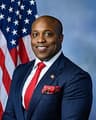 Wesley Hunt
Republican · Texas
 Matt Van Epps
Republican · Tennessee