
A Democratic bill with 5 Democratic cosponsors · See all 5 cosponsors
Last activity — Referred to the House Committee on Ways and Means.
In committee
Introduced and handed to a committee in the chamber it started in.
The committee holds it, and most bills are never heard from again. A hearing or a committee vote would be news; silence is the usual outcome, and it kills the bill without anyone voting against it.
Its path through Congress
- Introduced
- In Committee
What this bill would do
The PFAS Cleanup Act aims to amend the Internal Revenue Code of 1986 to address pollution from perfluoroalkyl or polyfluoroalkyl substances. The bill imposes a 45 percent excise tax on the sale or use of these man-made chemicals by manufacturers, producers, or importers. Additionally, it establishes a tax credit to assist with water cleanup efforts. This credit is intended for expenditures related to removing these substances from public water systems. The provisions regarding the tax and the credit are set to take effect for taxable years beginning after December 31, 2026.
Yes· 3 of 13
- Scored +8
Does this better protect air, water and wildlife?
The bill funds the removal of hazardous PFAS chemicals from public water systems through a new tax credit.
- Scored +6
Does this raise the taxes companies pay?
The bill imposes a 45 percent excise tax on the sale or use of PFAS substances by manufacturers and importers.
- Scored +4
Does this make health care easier to get in general?
The bill provides a tax credit to help remove harmful chemicals from public water systems, which promotes cleaner drinking water.
The opposite
- Scored -5
Would business owners be better off under this?
Manufacturers and importers of PFAS will face a new 45 percent excise tax on their products.
- Scored -2
Is this likely to grow the economy?
The new excise tax on chemical production and imports may impose additional costs on industrial sectors.
Who it would affect, and how
Potential Positive Impacts for People
-
Financial Support for Water Cleanup: The bill establishes a credit equal to 25 percent of qualified expenditures for removing PFAS from public water systems (Section 4). This could help offset the high costs of removing these substances, which are estimated to cost between $7,000,000 and $30,000,000 per pound (Section 2).
-
Addressing Health and Social Costs: The legislation seeks to raise revenue to address the significant costs and health harms associated with PFAS pollution, which carries an estimated annual cost as high as $60,000,000,000 (Section 2).
Potential Negative Impacts for People
-
Increased Costs for Manufacturers and Importers: The bill imposes a 45 percent excise tax on the sale or use of perfluoroalkyl or polyfluoroalkyl substances (Section 3). This tax applies to any such substance manufactured, produced, or imported into the United States (Section 3).
-
Tax Liability for Internal Use: If a person manufactures, produces, or imports these substances and then uses them instead of selling them, they are still liable for the tax at a price equal to the fair market value (Section 3).
Groups and Interests Ranking
Every group the model scored this bill for, from -10 to +10. Tap or hover a score for the reason it gave.
- Demographic And Interest Groups
- Would households on low incomes be better off under this? — Mitigating water pollution helps protect the health of low-income populations who often rely on public water systems. Would Native Americans be better off under this? — Cleaning public water systems is beneficial for many indigenous communities that rely on local water sources. Would people in rural areas be better off under this? — Rural residents often rely on local public water systems that would benefit from these remediation credits. Would people in cities be better off under this? — Urban residents often rely on large public water systems that would benefit from these remediation credits. Would Black Americans be better off under this? — Water remediation efforts can reduce health disparities caused by environmental pollution in many communities. Would Asian Americans be better off under this? — Water remediation efforts can reduce health disparities caused by environmental pollution in many communities. Would Hispanic Americans be better off under this? — Water remediation efforts can reduce health disparities caused by environmental pollution in many communities. Would middle-income households be better off under this? — Cleaning up public water systems helps protect the health and assets of middle-income families. Would white Americans be better off under this? — Water remediation efforts can reduce health disparities caused by environmental pollution in many communities. Would business owners be better off under this? — Manufacturers and importers of PFAS will face a new 45 percent excise tax on their products.
- Environment Energy And Infrastructure
- Does this better protect air, water and wildlife? — The bill funds the removal of hazardous PFAS chemicals from public water systems through a new tax credit.
- Economy And Finance
- Does this raise the taxes companies pay? — The bill imposes a 45 percent excise tax on the sale or use of PFAS substances by manufacturers and importers. Is this likely to grow the economy? — The new excise tax on chemical production and imports may impose additional costs on industrial sectors.
- Healthcare
- Does this make health care easier to get in general? — The bill provides a tax credit to help remove harmful chemicals from public water systems, which promotes cleaner drinking water.
- Social Issues And Justice
- Is this likely to lift people out of poverty? — Improving water safety through remediation credits can reduce long-term health-related costs for low-income communities.
- 8/20/2026
- 1 Cosponsor added.
- 5/26/2026
- 1 Cosponsor added.
- 5/20/2026
- 1 Cosponsor added.
- 5/13/2026
- 1 Cosponsor added.
- 5/12/2026
- 1 Cosponsor added.
- 4/30/2026
- Referred to the House Committee on Ways and Means.
- Introduced in House
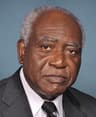 Danny Davis
Democrat · Illinois
 Adelita Grijalva
Democrat · Arizona
 Sydney Kamlager-Dove
Democrat · California
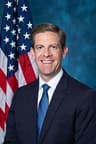 Mike Levin
Democrat · California
 Eleanor Norton
Democrat · District of Columbia