
A Democratic bill with 4 Democratic cosponsors · See all 4 cosponsors
Last activity — Referred to the House Committee on Agriculture.
In committee
Introduced and handed to a committee in the chamber it started in.
The committee holds it, and most bills are never heard from again. A hearing or a committee vote would be news; silence is the usual outcome, and it kills the bill without anyone voting against it.
Its path through Congress
- Introduced
- In Committee
What this bill would do
The "Save SNAP Act of 2026" aims to change how the federal government handles supplemental nutrition assistance program allotment costs. Currently, states are responsible for a specific share of these costs. This bill would make the federal share mandatory if a state is unable to pay its required portion for any reason. This change would require the Secretary to pay the full cost of an allotment for that fiscal year. The act would take effect on October 1, 2026.
Yes· 3 of 25
- Scored +5
Would households on low incomes be better off under this?
The bill secures the availability of SNAP benefits for low-income households by requiring the federal government to cover costs if a state cannot pay its share.
- Scored +3
Would Black Americans be better off under this?
The bill helps stabilize food assistance programs which disproportionately serve diverse populations.
- Scored +3
Would Hispanic Americans be better off under this?
The bill helps stabilize food assistance programs which disproportionately serve diverse populations.
The opposite
- Scored -2
Does this reduce what the federal government spends?
The bill increases federal spending obligations by requiring the Secretary to cover the full cost of allotments if a state cannot pay its share.
Who it would affect, and how
Potential Positive Impacts for People
- Financial Safety Net for States: If a state cannot pay its required share of costs for any reason, the Secretary must pay the full cost of the allotment. This ensures the program continues even if a state faces financial difficulties (Sec. 2).
Potential Negative Impacts for People
- No negative impacts are explicitly mentioned in the provided text.
Groups and Interests Ranking
Every group the model scored this bill for, from -10 to +10. Tap or hover a score for the reason it gave.
- Demographic And Interest Groups
- Would households on low incomes be better off under this? — The bill secures the availability of SNAP benefits for low-income households by requiring the federal government to cover costs if a state cannot pay its share. Would Black Americans be better off under this? — The bill helps stabilize food assistance programs which disproportionately serve diverse populations. Would Hispanic Americans be better off under this? — The bill helps stabilize food assistance programs which disproportionately serve diverse populations. Would Native Americans be better off under this? — The bill helps stabilize food assistance programs which disproportionately serve diverse populations. Would Asian Americans be better off under this? — The bill helps ensure the continuity of nutritional assistance through federal mandates. Would children be better off under this? — The bill helps ensure nutritional support remains available for children by creating a federal safety net for state funding gaps. Would immigrants be better off under this? — The bill helps ensure the stability of food assistance programs. Would men be better off under this? — The bill ensures more stable access to nutritional assistance. Would people with disabilities be better off under this? — The bill helps ensure the continuity of nutritional assistance for vulnerable populations. Would retired people be better off under this? — The bill helps ensure the continuity of nutritional assistance through federal mandates. Would people in rural areas be better off under this? — The bill helps ensure the continuity of nutritional assistance programs. Would people over 65 be better off under this? — The bill helps protect the availability of nutritional assistance through federal mandatory coverage of state funding gaps. Would students be better off under this? — The bill helps ensure the continuity of nutritional assistance through federal mandates. Would people in cities be better off under this? — The bill helps ensure the continuity of nutritional assistance programs. Would veterans be better off under this, taking everything together? — The bill helps ensure the continuity of nutritional assistance for those in need. Would white Americans be better off under this? — The bill helps ensure the continuity of nutritional assistance through federal mandates. Would women be better off under this? — The bill ensures more stable access to nutritional assistance. Would people in their twenties and thirties be better off under this? — The bill provides a more stable food assistance safety net for young adults by mandating federal coverage of state financial shortfalls. Would farmers be better off under this? — The bill supports the stability of the food assistance infrastructure. Would LGBTQ people be better off under this? — The bill maintains the stability of food assistance programs. Would people in middle age be better off under this? — The bill helps maintain the food assistance safety net during state financial instability. Would middle-income households be better off under this? — The bill helps maintain the integrity of social safety net programs. Would union members be better off under this? — The bill maintains social safety net stability.
- Social Issues And Justice
- Is this likely to lift people out of poverty? — The bill protects the continuity of nutritional assistance for low-income individuals by ensuring the federal government covers costs when states face financial hardship.
- Economy And Finance
- Does this reduce what the federal government spends? — The bill increases federal spending obligations by requiring the Secretary to cover the full cost of allotments if a state cannot pay its share.
- Governance And Ideology
- Does this give the federal government more power? — The bill increases federal responsibility by mandating that the Secretary pay full allotment costs in cases where states cannot meet their share.
- 4/27/2026
- Referred to the House Committee on Agriculture.
- 4 Cosponsors added.
- Introduced in House
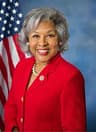 Joyce Beatty
Democrat · Ohio
 Janelle Bynum
Democrat · Oregon
 Terri Sewell
Democrat · Alabama
 Bennie Thompson
Democrat · Mississippi