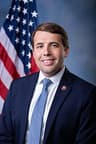
A Democratic bill with 3 Democratic cosponsors · See all 3 cosponsors
Last activity — Referred to the House Committee on Education and Workforce.
In committee
Introduced and handed to a committee in the chamber it started in.
The committee holds it, and most bills are never heard from again. A hearing or a committee vote would be news; silence is the usual outcome, and it kills the bill without anyone voting against it.
Its path through Congress
- Introduced
- In Committee
What this bill would do
This bill, known as the "Rural Child Care Access Act," aims to support infrastructure investment in small and rural child care facilities. The Secretary of Health and Human Services is authorized to provide grants to facilities in jurisdictions with fewer than 50,000 residents. These funds are intended for modifying, upgrading, or constructing facilities to improve child care, provider training, recruitment, retention, or community engagement. The Secretary must provide guidance on the program and ensure an equitable geographic distribution of the grants. Additionally, the Secretary is required to submit regular reports to Congress regarding the progress and impact of these projects.
Yes· 3 of 12
- Scored +8
Would people in rural areas be better off under this?
The bill is specifically designed to target and benefit residents in small, rural jurisdictions.
- Scored +7
Would children be better off under this?
Improved child care infrastructure directly benefits the well-being and care of children.
- Scored +7
Does this invest in rural communities?
The bill provides critical infrastructure funding specifically for small, rural jurisdictions.
The opposite
No question was scored the opposite.
Who it would affect, and how
Potential Positive Impacts for People
-
Infrastructure Improvements: Facilities can use funds to modify, upgrade, or construct buildings to improve child care provisions, provider training, recruitment, retention, or community engagement (Section 2(b)(1)).
-
Support for Small Communities: Grants are specifically authorized for facilities that serve jurisdictions with fewer than 50,000 residents (Section 2(a)).
-
Geographic Fairness: The Secretary is tasked with ensuring an equitable geographic distribution of grants among the regions of the United States (Section 2(d)(3)).
-
Transparency and Oversight: The Secretary must submit reports to Congress every two years regarding building progress, community impacts, and project needs (Section 2(d)(4)).
-
National Research: The Secretary is required to conduct and publish a study on the construction and renovation needs of a national sample of child care facilities (Section 3).
Potential Negative Impacts for People
-
Strict Use of Funds: No part of the funds can be used for any part of a facility that does not have a substantial nexus to the specific goals of improving child care, provider training, recruitment, retention, or community engagement (Section 2(b)(2)).
-
Application Requirements: Facility heads must submit applications containing specific information, including cost estimates and a demonstration of financial need (Section 2(c)).
Groups and Interests Ranking
Every group the model scored this bill for, from -10 to +10. Tap or hover a score for the reason it gave.
- Demographic And Interest Groups
- Would people in rural areas be better off under this? — The bill is specifically designed to target and benefit residents in small, rural jurisdictions. Would children be better off under this? — Improved child care infrastructure directly benefits the well-being and care of children. Would business owners be better off under this? — The grant program provides direct financial support for local child care facility operators. Would households on low incomes be better off under this? — Improved child care access can reduce financial and logistical burdens on low-income families. Would women be better off under this? — Expanded child care access typically supports women's workforce participation.
- Economy And Finance
- Does this make it easier to run a small business? — The bill specifically provides financial assistance via grants to small, local child care facilities. Is this likely to create jobs? — The bill supports provider recruitment and retention, which can facilitate job creation in the child care sector. Is this likely to grow the economy? — Investing in childcare infrastructure can support local economic activity in small communities.
- Environment Energy And Infrastructure
- Does this invest in rural communities? — The bill provides critical infrastructure funding specifically for small, rural jurisdictions.
- Social Issues And Justice
- Does this make child care cost less? — By improving infrastructure and provider retention, the bill aims to increase child care availability and accessibility.
- Governance And Ideology
- Does this make what the government does easier for the public to see? — The bill requires public reporting on grant progress and community impacts. Does this give the federal government more power? — The bill empowers the Secretary of HHS to administer a new national grant program.
- 8/24/2026
- 1 Cosponsor added.
- 8/13/2026
- 1 Cosponsor added.
- 7/13/2026
- 1 Cosponsor added.
- 4/22/2026
- Referred to the House Committee on Education and Workforce.
- Introduced in House
 Janelle Bynum
Democrat · Oregon
 Sharice Davids
Democrat · Kansas
 Eugene Vindman
Democrat · Virginia