
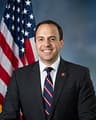
Emilia Sykes (D-OH)
Consumer Protection and Corporate Accountability in Bankruptcy Act of 2026
A Democratic bill with 1 Republican cosponsor · See all 3 cosponsors
Last activity — Referred to the House Committee on the Judiciary.
In committee
Introduced and handed to a committee in the chamber it started in.
The committee holds it, and most bills are never heard from again. A hearing or a committee vote would be news; silence is the usual outcome, and it kills the bill without anyone voting against it.
Its path through Congress
- Introduced
- In Committee
What this bill would do
This bill, titled the "Consumer Protection and Corporate Accountability in Bankruptcy Act of 2026," aims to amend title 11 of the United States Code. It seeks to make the filing of a Chapter 11 petition a cause for dismissal if the filing is objectively futile or done in subjective bad faith. The legislation introduces new rules regarding how courts determine bad faith, including presumptions related to manufactured venues and corporate restructuring. It also establishes specific criteria for "protected claims" and limits certain judicial orders. Additionally, the bill modifies the automatic stay provisions.
Yes· 3 of 4
- Scored +7
Does this give people more protection from unfair business practices?
The bill prevents corporations from using bad-faith bankruptcy filings to cap liabilities for claims involving injury, contamination, or loss.
- Scored +4
Would households on low incomes be better off under this?
The bill protects large-scale claims relating to injury or contamination which often affect many individuals.
- Scored +3
Is this likely to lift people out of poverty?
By preventing corporations from using tactical bankruptcy to avoid paying large-scale claims, it may help protect the financial interests of many individuals.
The opposite
No question was scored the opposite.
Who it would affect, and how
Potential Positive Impacts for People
-
Increased Accountability for Bad Faith Filings: The bill allows for the dismissal of cases that are determined to be objectively futile or filed in subjective bad faith (Section 2).
-
Prevention of Tactical Litigation and Delays: The bill creates a conclusive presumption of bad faith if a filing is intended to gain a tactical litigation advantage or impose undue delay upon creditors (Section 2).
-
Protection Against Capping Liabilities: The bill targets filings intended to cap the total amount of liability a debtor owes to two or more creditors holding protected claims, provided the debtor has sufficient property to pay them (Section 2).
-
Addressing Corporate Restructuring Issues: The bill creates presumptions of bad faith if a debtor was subject to a divisional merger or similar transaction changing the corporate structure within four years prior to the filing (Section 2).
-
Protection for Specific Claims: The bill defines "protected claims" which include claims affecting not less than 100 individuals and relating to injury, contamination, damage, or loss caused by products, materials, or substances (Section 4).
Potential Negative Impacts for People
-
Increased Burden of Proof on Debtors: In determinations regarding bad faith under certain subsections, the burden of proof is placed on the debtor (Section 2).
-
Strict Standards for Rebutting Presumptions: A presumption of bad faith regarding manufactured venues can only be rebutted using clear and convincing evidence (Section 2).
-
Limitations on Judicial Authority: The bill prevents courts from issuing orders, processes, or judgments that have the purpose or effect of overriding or nullifying certain stay provisions (Section 3).
Groups and Interests Ranking
Every group the model scored this bill for, from -10 to +10. Tap or hover a score for the reason it gave.
- Economy And Finance
- Does this give people more protection from unfair business practices? — The bill prevents corporations from using bad-faith bankruptcy filings to cap liabilities for claims involving injury, contamination, or loss.
- Demographic And Interest Groups
- Would households on low incomes be better off under this? — The bill protects large-scale claims relating to injury or contamination which often affect many individuals. Would people in cities be better off under this? — The bill's focus on mass claims regarding products and substances may protect urban populations affected by industrial contamination.
- Social Issues And Justice
- Is this likely to lift people out of poverty? — By preventing corporations from using tactical bankruptcy to avoid paying large-scale claims, it may help protect the financial interests of many individuals.
- 8/3/2026
- 1 Cosponsor added.
- 4/20/2026
- Referred to the House Committee on the Judiciary.
- 2 Cosponsors added.
- Introduced in House
One bill Congress.gov lists as related to this one — companions in the other chamber, earlier versions, and bills this one absorbed or was folded into.
 Lance Gooden
Republican · Texas
 Jerrold Nadler
Democrat · New York
 Nellie Pou
Democrat · New Jersey