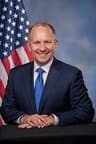
A Republican bill with 2 Democratic cosponsors · See all 5 cosponsors
Last activity — Referred to the Committee on Energy and Commerce, and in addition to the Committee on Ways and Means, for a period to be subsequently determined by the Speaker, in each case for consideration of such provisions as fall within the jurisdiction of the committee concerned.
In committee
Introduced and handed to a committee in the chamber it started in.
The committee holds it, and most bills are never heard from again. A hearing or a committee vote would be news; silence is the usual outcome, and it kills the bill without anyone voting against it.
Its path through Congress
- Introduced
- In Committee
What this bill would do
The Accountable Produce is Medicine Act of 2026 directs the Center for Medicare and Medicaid Innovation to test a specific bundled payment model. This model aims to reduce chronic diseases by providing patients with healthy, nutrient-dense foods and related health services. The Secretary will select at least five eligible programs to participate in this model for at least two years. Participating programs will provide services such as health risk assessments, care coordination, and nutrition counseling. These services are intended for individuals with specific chronic conditions living in underserved or rural areas. The model is intended to be carried out for a period of at least five years.
Yes· 3 of 11
- Scored +7
Does this make health care easier to get in general?
The bill expands access to nutrient-dense foods, care coordination, and telehealth for individuals with chronic conditions.
- Scored +6
Would households on low incomes be better off under this?
The bill targets underserved areas and provides essential nutrition and health services without copayments or deductibles.
- Scored +6
Would people in rural areas be better off under this?
The bill specifically targets individuals living in rural areas for chronic disease management through food-based interventions.
The opposite
No question was scored the opposite.
Who it would affect, and how
Potential Positive Impacts for People
-
Access to Healthy Foods: The bill provides for the delivery of nutrient-dense foods, such as fruits, vegetables, nuts, and whole grains, to eligible individuals (Section 3, subsection (h)(2)(B) and (3)(B)(vi)).
-
Comprehensive Health Support: Beyond just food, the model includes personalized prevention plans, care coordination, telehealth, and lifestyle modification programs like exercise and nutrition counseling (Section s, subsection (h)(3)(B)).
-
Elimination of Out-of-Pocket Costs: For those participating in the model, these services are provided without the burden of deductibles, copayments, or coinsurance (Section 3, subsection (h)(4)(B)).
-
Targeted Care for High-Risk Groups: The bill focuses on helping people with chronic conditions like diabetes, obesity, and cardiovascular disease, particularly those in rural or medically underserved areas (Section 3, subsection (h)(6)(A)).
Potential Negative Impacts for People
-
Risk of Disenrollment: Individuals may lose access to these services if a program determines they are not adequately engaging with the program or are not following the required program rules (Section 3, subsection (h)(3)(D)).
-
Requirement for Frequent Monitoring: Participants must undergo regular health evaluations, including quarterly measurements of weight, blood pressure, and blood glucose (Section 3, subsection (h)(3)(C)(iii)).
Groups and Interests Ranking
Every group the model scored this bill for, from -10 to +10. Tap or hover a score for the reason it gave.
- Demographic And Interest Groups
- Would households on low incomes be better off under this? — The bill targets underserved areas and provides essential nutrition and health services without copayments or deductibles. Would people in rural areas be better off under this? — The bill specifically targets individuals living in rural areas for chronic disease management through food-based interventions. Would people over 65 be better off under this? — The bill provides health benefits and food services specifically for individuals entitled to Medicare benefits.
- Healthcare
- Does this make health care easier to get in general? — The bill expands access to nutrient-dense foods, care coordination, and telehealth for individuals with chronic conditions. Does this put more money into Medicaid, the health coverage for people on low incomes? — The bill directs the implementation of a new bundled payment model under Title XIX (Medicaid). Does this put more money into Medicare, the health coverage for people over 65? — The bill directs the implementation of a new bundled payment model under Title XVIII (Medicare).
- Economy And Finance
- Does this reduce what the federal government spends? — The bill aims to reduce long-term healthcare expenditures by managing chronic diseases through nutrition interventions. Is this likely to create jobs? — The expansion of food-based health services and nutrition counseling may increase demand for healthcare and nutrition professionals.
- Social Issues And Justice
- Is this likely to lift people out of poverty? — Providing healthy foods and medical services without cost-sharing can alleviate financial burdens on low-income households.
- Environment Energy And Infrastructure
- Does this better protect air, water and wildlife? — The bill expresses preference for food grown through regenerative agriculture which emphasizes soil and water health.
- Education And Technology
- Does this put more money into scientific research? — The model utilizes remote patient monitoring and data collection to evaluate health outcomes.
- 6/3/2026
- 1 Cosponsor added.
- 5/19/2026
- 1 Cosponsor added.
- 5/12/2026
- 1 Cosponsor added.
- 4/30/2026
- 1 Cosponsor added.
- 4/16/2026
- Referred to the Committee on Energy and Commerce, and in addition to the Committee on Ways and Means, for a period to be subsequently determined by the Speaker, in each case for consideration of such provisions as fall within the jurisdiction of the committee concerned.
- 1 Cosponsor added.
- Introduced in House
One bill Congress.gov lists as related to this one — companions in the other chamber, earlier versions, and bills this one absorbed or was folded into.
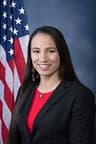 Sharice Davids
Democrat · Kansas
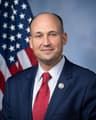 Nicholas Langworthy
Republican · New York
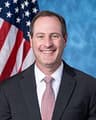 Tracey Mann
Republican · Kansas
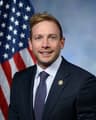 Max Miller
Republican · Ohio
 Jill Tokuda
Democrat · Hawaii