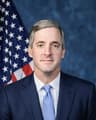
A Republican bill with 1 Democratic cosponsor · See all 3 cosponsors
Last activity — Referred to the Subcommittee on Border Security and Enforcement.
In committee
Introduced and handed to a committee in the chamber it started in.
The committee holds it, and most bills are never heard from again. A hearing or a committee vote would be news; silence is the usual outcome, and it kills the bill without anyone voting against it.
Its path through Congress
- Introduced
- In Committee
What this bill would do
This bill aims to combat freight fraud and theft in the United States transportation system. It establishes an advisory committee and requires a memorandum of understanding between the Department of Transportation and the Department of Justice. The legislation phases out motor carrier docket numbers in favor of unique USDOT numbers. It also strengthens state licensing rules for commercial drivers and sets up automated systems to flag suspicious registration activity. Additionally, the bill addresses cabotage laws, provides specific criminal penalties for fraudulent certifications, and mandates registration for foreign dispatch services.
Yes· 3 of 6
- Scored +3
Does this tighten control of the border?
The bill strengthens cabotage law enforcement through coordination between the Department of Transportation and Customs and Border Protection.
- Scored +2
Would business owners be better off under this?
The bill aims to reduce theft and fraud which can decrease costs and risks for legitimate motor carriers and brokers.
- Scored +2
Does this make what the government does easier for the public to see?
The bill establishes an advisory committee to provide public input and report findings to Congress regarding freight security.
The opposite
- Scored -2
Does this make it easier to run a small business?
The bill imposes new registration requirements for foreign dispatch services and training providers which may increase administrative burdens.
Who it would affect, and how
Potential Positive Impacts for People
-
Section 3 creates a Freight Fraud and Theft Advisory Committee to gather public input from various transportation stakeholders and law enforcement, which helps the government find practical ways to reduce freight fraud and theft.
-
Section 4 requires the Department of Transportation and the Department of Justice to establish a memorandum of understanding to ensure that any identified freight fraud or theft is properly reported and handled by federal law enforcement.
-
Section 8 directs the administration to develop automated systems to flag suspicious activity in the registration system and gives victims of fraud a chance to respond, which helps protect legitimate motor carriers and brokers from fraudulent operators.
-
Section 10 requires U.S. Customs and Border Protection to reimburse cargo theft victims for fines they paid for unsealed containers, providing direct financial relief to innocent victims of crime.
Potential Negative Impacts for People
-
Section 5 completely phases out and bans the use of MC numbers within a 5-year period, forcing all motor carriers, brokers, and freight forwarders to transition exclusively to USDOT numbers.
-
Section 6 requires states to align the expiration date of commercial learner's permits and commercial driver's licenses with an applicant's work authorization expiration date, and mandates monthly reporting from states, which creates additional administrative burdens for state agencies and non-citizen drivers.
-
Section 11 imposes harsh criminal penalties, including fines and imprisonment for up to 5 years, for any person who knowingly and willfully submits a fraudulent certification in connection with transportation requirements.
Groups and Interests Ranking
Every group the model scored this bill for, from -10 to +10. Tap or hover a score for the reason it gave.
- Demographic And Interest Groups
- Would business owners be better off under this? — The bill aims to reduce theft and fraud which can decrease costs and risks for legitimate motor carriers and brokers. Would union members be better off under this? — The enforcement of stricter licensing and work authorization requirements may protect domestic labor markets.
- Social Issues And Justice
- Does this tighten control of the border? — The bill strengthens cabotage law enforcement through coordination between the Department of Transportation and Customs and Border Protection.
- Economy And Finance
- Does this make it easier to run a small business? — The bill imposes new registration requirements for foreign dispatch services and training providers which may increase administrative burdens.
- Governance And Ideology
- Does this make what the government does easier for the public to see? — The bill establishes an advisory committee to provide public input and report findings to Congress regarding freight security.
- Environment Energy And Infrastructure
- Does this invest in rural communities? — By reducing freight fraud and theft, the bill aims to improve the reliability of the national transportation infrastructure.
- National Security And Foreign Policy
- Does this increase the pay, pensions or support veterans receive? — The bill contains provisions for victim reimbursement that could indirectly benefit those in regulated industries.
- 9/28/2026
- 1 Cosponsor added.
- 6/29/2026
- 1 Cosponsor added.
- 4/29/2026
- 1 Cosponsor added.
- 4/15/2026
- Referred to the Subcommittee on Border Security and Enforcement.
- 4/14/2026
- Referred to the Committee on Transportation and Infrastructure, and in addition to the Committees on the Judiciary, and Homeland Security, for a period to be subsequently determined by the Speaker, in each case for consideration of such provisions as fall within the jurisdiction of the committee concerned.
- Introduced in House
One bill Congress.gov lists as related to this one — companions in the other chamber, earlier versions, and bills this one absorbed or was folded into.
 Tom Barrett
Republican · Michigan
 Henry Cuellar
Democrat · Texas
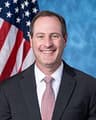 Tracey Mann
Republican · Kansas