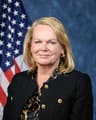
April McClain Delaney (D-MD)
Prioritizing Rural Broadband Affordability Act
A Democratic bill with 2 Republican cosponsors · See all 3 cosponsors
Last activity — Referred to the Committee on Agriculture, and in addition to the Committee on Energy and Commerce, for a period to be subsequently determined by the Speaker, in each case for consideration of such provisions as fall within the jurisdiction of the committee concerned.
In committee
Introduced and handed to a committee in the chamber it started in.
The committee holds it, and most bills are never heard from again. A hearing or a committee vote would be news; silence is the usual outcome, and it kills the bill without anyone voting against it.
Its path through Congress
- Introduced
- In Committee
What this bill would do
The "Prioritizing Rural Broadband Affordability Act" changes how the Department of Agriculture awards grants for rural broadband. It requires the Secretary to consider whether broadband service is affordable when deciding if a household or service territory is "unserved." These changes apply to Section 601 of the Rural Electrification Act of 1936. The law would take effect one year after it is enacted.
Yes· 3 of 24
- Scored +9
Would people in rural areas be better off under this?
The primary target group that will benefit from more affordable broadband grants.
- Scored +8
Would households on low incomes be better off under this?
Directly targets the affordability of broadband, making it more accessible for low-income rural families.
- Scored +8
Does this get reliable internet to more people?
Expands eligibility for grants by considering affordability, potentially increasing the number of people with access.
The opposite
No question was scored the opposite.
Who it would affect, and how
Potential Positive Impacts for People
- Broadband Accessibility: By requiring the Secretary to consider affordability when determining if a household or service territory is unserved (Section 2), people who cannot afford existing services may now be counted as unserved, potentially opening up more grant funding for affordable options.
Potential Negative Impacts for People
- Delayed Implementation: The amendments do not take effect until one year after the date of enactment (Section 3), meaning people would not see these changes in grant considerations immediately.
Groups and Interests Ranking
Every group the model scored this bill for, from -10 to +10. Tap or hover a score for the reason it gave.
- Demographic And Interest Groups
- Would people in rural areas be better off under this? — The primary target group that will benefit from more affordable broadband grants. Would households on low incomes be better off under this? — Directly targets the affordability of broadband, making it more accessible for low-income rural families. Would farmers be better off under this? — Critical for precision agriculture and modern farming business operations. Would students be better off under this? — Provides essential internet access for homework and online learning in rural settings. Would Native Americans be better off under this? — Significantly impacts tribal lands and rural native communities often facing extreme connectivity gaps. Would business owners be better off under this? — Supports rural business owners through better infrastructure. Would children be better off under this? — Improves access to online educational resources for children in rural areas. Would people in middle age be better off under this? — Enhances economic opportunity and connectivity for rural adults. Would middle-income households be better off under this? — May lead to more competitive and affordable pricing options for rural internet. Would people with disabilities be better off under this? — Increases access to assistive technologies and telehealth for rural disabled individuals. Would retired people be better off under this? — Improves quality of life and healthcare access for rural retirees. Would people over 65 be better off under this? — Improves access to telehealth and social connectivity for rural seniors. Would people in their twenties and thirties be better off under this? — Increases opportunities for remote work and online education. Would Black Americans be better off under this? — May benefit minority populations living in rural underserved areas. Would Hispanic Americans be better off under this? — May benefit minority populations living in rural underserved areas. Would veterans be better off under this, taking everything together? — Helps rural veterans access digital healthcare and benefits. Would white Americans be better off under this? — Benefits white residents living in underserved rural regions.
- Education And Technology
- Does this get reliable internet to more people? — Expands eligibility for grants by considering affordability, potentially increasing the number of people with access.
- Environment Energy And Infrastructure
- Does this invest in rural communities? — Directly targets the improvement of digital infrastructure in rural areas by prioritizing affordability.
- Economy And Finance
- Is this likely to grow the economy? — Increased broadband access in rural areas typically stimulates local economic growth. Does this make it easier to run a small business? — Better internet connectivity supports rural small businesses.
- Healthcare
- Does this make health care easier to get in general? — Expanding affordable internet access facilitates remote healthcare in underserved rural areas. Does this make mental health care easier to get? — Increased affordable broadband can expand access to telehealth services.
- Social Issues And Justice
- Is this likely to lift people out of poverty? — Reducing the digital divide helps low-income rural residents access jobs and education.
- 4/9/2026
- 1 Cosponsor added.
- 4/2/2026
- 1 Cosponsor added.
- 3/27/2026
- Referred to the Committee on Agriculture, and in addition to the Committee on Energy and Commerce, for a period to be subsequently determined by the Speaker, in each case for consideration of such provisions as fall within the jurisdiction of the committee concerned.
- 1 Cosponsor added.
- Introduced in House
 Robert Bresnahan
Republican · Pennsylvania
 Brian Fitzpatrick
Republican · Pennsylvania
 Josh Riley
Democrat · New York