
A Republican bill with 2 Democratic cosponsors · See all 6 cosponsors
Last activity — Referred to the House Committee on Ways and Means.
In committee
Introduced and handed to a committee in the chamber it started in.
The committee holds it, and most bills are never heard from again. A hearing or a committee vote would be news; silence is the usual outcome, and it kills the bill without anyone voting against it.
Its path through Congress
- Introduced
- In Committee
What this bill would do
This bill, known as the "Save Struggling Hospitals Act," seeks to amend title XVIII of the Social Security Act. It focuses on codifying the Medicare low-wage index hospital policy. The legislation aims to adjust the area wage index for hospitals that fall below the 25th percentile. These adjustments apply to discharges occurring on or after October 1, 2019. The bill also includes specific rules to ensure these changes are applied in a budget-neutral manner.
Yes· 3 of 9
- Scored +3
Does this put more money into Medicare, the health coverage for people over 65?
The bill increases Medicare payments to hospitals with an area wage index below the 25th percentile.
- Scored +2
Would people over 65 be better off under this?
The bill supports the financial stability of hospitals that treat Medicare beneficiaries, including seniors.
- Scored +2
Would households on low incomes be better off under this?
The bill benefits hospitals that typically serve low-income populations by adjusting their wage indices upward.
The opposite
No question was scored the opposite.
Who it would affect, and how
Potential Positive Impacts for People
-
Wage Index Increase for Low-Wage Hospitals: For hospitals with an area wage index below the 25th percentile, the index will be increased by 1/2 of the difference between their index and the 25th percentile index. This is intended to address the needs of hospitals in these specific areas (Section 2).
-
Protection Against Wage Index Decreases: The bill prevents adjustments from decreasing the wage index for hospitals that are below the 75th percentile. It also ensures the index for a hospital does not fall below 95 percent of what it was in the previous fiscal year (Section 2).
Potential Negative Impacts for People
- Budget Neutrality Requirement: The bill requires that any adjustments made for the low-wage index policy must be applied in a budget-neutral manner (Section 2).
Groups and Interests Ranking
Every group the model scored this bill for, from -10 to +10. Tap or hover a score for the reason it gave.
- Demographic And Interest Groups
- Would households on low incomes be better off under this? — The bill benefits hospitals that typically serve low-income populations by adjusting their wage indices upward. Would people over 65 be better off under this? — The bill supports the financial stability of hospitals that treat Medicare beneficiaries, including seniors. Would Black Americans be better off under this? — Providing support to low-wage hospitals can benefit disproportionately affected communities that rely on these institutions. Would Hispanic Americans be better off under this? — Providing support to low-wage hospitals can benefit disproportionately affected communities that rely on these institutions. Would people in rural areas be better off under this? — The bill may help stabilize hospitals located in low-wage rural areas. Would people in cities be better off under this? — The bill may help stabilize hospitals located in low-wage urban areas.
- Healthcare
- Does this put more money into Medicare, the health coverage for people over 65? — The bill increases Medicare payments to hospitals with an area wage index below the 25th percentile. Does this make health care easier to get in general? — By increasing revenue for struggling low-wage hospitals, the bill helps stabilize healthcare access in those areas.
- Economy And Finance
- Does this make the government pay for what it commits to? — The bill mandates that all wage index adjustments be applied in a budget-neutral manner.
- 8/31/2026
- 1 Cosponsor added.
- 4/28/2026
- 1 Cosponsor added.
- 4/21/2026
- 2 Cosponsors added.
- 4/13/2026
- 1 Cosponsor added.
- 3/26/2026
- Referred to the House Committee on Ways and Means.
- 1 Cosponsor added.
- Introduced in House
One bill Congress.gov lists as related to this one — companions in the other chamber, earlier versions, and bills this one absorbed or was folded into.
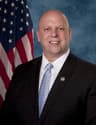 Scott DesJarlais
Republican · Tennessee
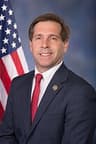 Charles Fleischmann
Republican · Tennessee
 Shomari Figures
Democrat · Alabama
 H. Griffith
Republican · Virginia
 Diana Harshbarger
Republican · Tennessee
 Terri Sewell
Democrat · Alabama