
Gus Bilirakis (R-FL)
Ensuring Medicaid Continuity for Children in Foster Care Act of 2026
A Republican bill with 1 Democratic cosponsor · See the cosponsor
Last activity — Referred to the House Committee on Energy and Commerce.
In committee
Introduced and handed to a committee in the chamber it started in.
The committee holds it, and most bills are never heard from again. A hearing or a committee vote would be news; silence is the usual outcome, and it kills the bill without anyone voting against it.
Its path through Congress
- Introduced
- In Committee
What this bill would do
This bill is called the "Ensuring Medicaid Continuity for Children in Foster Care Act of 2026". It amends the Social Security Act to make sure children in foster care who are in a qualified residential treatment program can get Medicaid. This change applies to services provided starting in calendar quarters on or after October 1, 2026.
Yes· 3 of 7
- Scored +10
Would children be better off under this?
Directly ensures that foster children in residential treatment have access to essential healthcare via Medicaid.
- Scored +8
Does this make health care easier to get in general?
Directly expands Medicaid eligibility for a vulnerable population of foster children in residential treatment.
- Scored +6
Does this make mental health care easier to get?
Increases access to Medicaid for children in qualified residential treatment programs, which often provide mental health services.
The opposite
No question was scored the opposite.
Who it would affect, and how
Potential Positive Impacts for People
- Medicaid Eligibility for Foster Children: Children in foster care under State responsibility who are placed in a qualified residential treatment program would be eligible for Medicaid, regardless of whether payments are made under section 472. This is found in Section 2(a).
Potential Negative Impacts for People
- No negative impacts for people were explicitly mentioned in the provided text.
Groups and Interests Ranking
Every group the model scored this bill for, from -10 to +10. Tap or hover a score for the reason it gave.
- Demographic And Interest Groups
- Would children be better off under this? — Directly ensures that foster children in residential treatment have access to essential healthcare via Medicaid. Would households on low incomes be better off under this? — Supports vulnerable children from low-income backgrounds in the foster system. Would people with disabilities be better off under this? — Many children in residential treatment have disabilities or special needs that require Medicaid coverage.
- Healthcare
- Does this make health care easier to get in general? — Directly expands Medicaid eligibility for a vulnerable population of foster children in residential treatment. Does this make mental health care easier to get? — Increases access to Medicaid for children in qualified residential treatment programs, which often provide mental health services. Does this put more money into Medicaid, the health coverage for people on low incomes? — Ensures more children in foster care are eligible for Medicaid coverage in residential treatment.
- Social Issues And Justice
- Is this likely to lift people out of poverty? — Provides essential health coverage to foster children, reducing the financial burden on the state and caregivers.
- 3/26/2026
- Referred to the House Committee on Energy and Commerce.
- 1 Cosponsor added.
- Introduced in House
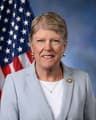 Julia Brownley
Democrat · California