
A Republican bill with 1 Republican cosponsor · See the cosponsor
Last activity — Referred to the House Committee on Energy and Commerce.
In committee
Introduced and handed to a committee in the chamber it started in.
The committee holds it, and most bills are never heard from again. A hearing or a committee vote would be news; silence is the usual outcome, and it kills the bill without anyone voting against it.
Its path through Congress
- Introduced
- In Committee
What this bill would do
This bill is titled the "Competition and Openness in Markets to Promote Efficiency, Transparency, and Enhanced affordability Act," or the "COMPETE Act." It aims to ensure competition in health insurance markets. The legislation proposes an amendment to Section 2791(b) of the Public Health Service Act. It specifically seeks to define "short-term limited duration insurance." Under this definition, a plan would have an expiration date no more than 12 months after the start date. Additionally, these plans may include a renewal guarantee allowing policyholders to purchase future policies at premiums that do not reflect additional underwriting.
Yes· 3 of 5
- Scored +3
Does this give people more protection from unfair business practices?
The bill provides consumer protection through a renewal guarantee that prevents premiums from being adjusted based on new underwriting.
- Scored +3
Does this lower what people pay for private health insurance?
The renewal guarantee allows policyholders to purchase future policies at premiums that do not reflect additional underwriting.
- Scored +2
Would households on low incomes be better off under this?
The renewal guarantee may help low-income households maintain coverage without sudden premium increases due to new underwriting.
The opposite
No question was scored the opposite.
Who it would affect, and how
Potential Positive Impacts for People
- Renewal Options: The bill allows for a renewal guarantee where a policyholder can elect to purchase another policy at a future date (Section 2). This could be positive because the premium would not reflect any additional underwriting (Section 2, subsection B).
Potential Negative Impacts for People
- Limited Duration: The definition of short-term limited duration insurance requires that the contract has an expiration date of no more than 12 months after the original effective date (Section 2, subsection A).
Groups and Interests Ranking
Every group the model scored this bill for, from -10 to +10. Tap or hover a score for the reason it gave.
- Demographic And Interest Groups
- Would households on low incomes be better off under this? — The renewal guarantee may help low-income households maintain coverage without sudden premium increases due to new underwriting. Would middle-income households be better off under this? — The renewal guarantee provides more predictable premium pricing for future insurance purchases. Would people in cities be better off under this? — Increased competition in health insurance markets may benefit urban residents through more diverse plan options.
- Economy And Finance
- Does this give people more protection from unfair business practices? — The bill provides consumer protection through a renewal guarantee that prevents premiums from being adjusted based on new underwriting.
- Healthcare
- Does this lower what people pay for private health insurance? — The renewal guarantee allows policyholders to purchase future policies at premiums that do not reflect additional underwriting.
- 3/25/2026
- Referred to the House Committee on Energy and Commerce.
- 1 Cosponsor added.
- Introduced in House
One bill Congress.gov lists as related to this one — companions in the other chamber, earlier versions, and bills this one absorbed or was folded into.
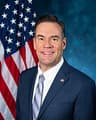 Russ Fulcher
Republican · Idaho