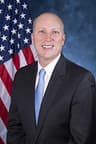
Chip Roy (R-TX)
Career Criminal Accountability Act of 2026
A Republican bill with 3 Republican cosponsors · See all 3 cosponsors
Last activity — Referred to the House Committee on the Judiciary.
In committee
Introduced and handed to a committee in the chamber it started in.
The committee holds it, and most bills are never heard from again. A hearing or a committee vote would be news; silence is the usual outcome, and it kills the bill without anyone voting against it.
Its path through Congress
- Introduced
- In Committee
What this bill would do
The Career Criminal Accountability Act of 2026 aims to amend title 18 of the United States Code to implement a three-strikes sentencing system. Under this law, sentencing judges must determine if a defendant qualifies as a three-strikes offender based on specific strike counts for various offenses. Depending on the most serious crime committed, offenders may face added consecutive sentences of 10 years, 15 years, 20 years, or life imprisonment. The bill establishes specific point values for different types of crimes, such as misdemeanors, nonviolent felonies, and violent felonies. It also includes specific rules for how strikes are counted for individuals who were juveniles at the time of their offenses.
Yes· 3 of 4
- Scored +5
Does this give the federal government more power?
Creates new federal sentencing mandates that override judicial discretion.
- Scored +4
Does this put more limits on buying or owning guns?
Increases penalties significantly for firearm-related felony offenses.
- Scored +3
Would children be better off under this?
Provides specific protections and reduced strike values for juveniles.
The opposite· 3 of 11
- Scored -8
Does this shorten or soften prison sentences?
The bill implements harsh mandatory minimums and life sentences, moving away from judicial discretion.
- Scored -6
Does this protect the right to fair treatment by the courts?
Mandatory consecutive sentences limit the court's ability to consider individual mitigating circumstances.
- Scored -5
Would Black Americans be better off under this?
Mandatory minimums have historically caused disparate impacts on African American populations.
Who it would affect, and how
Potential Positive Impacts for People
-
Protections for Juveniles: The bill provides reduced strike counts for those who committed offenses as juveniles, specifically counting nonviolent or firearm-s related felonies as only one-quarter strike and violent felonies as one-half strike. (Section 3, subsection b, paragraphs 5, 6)
-
Prevention of Misdemeanor-only Enhancements: The law ensures that a defendant cannot receive a sentencing enhancement based solely on a misdemeanor conviction; they must be convicted of a felony first to be eligible for the enhancement. (Section 3, subsection d)
-
Limits on Strike Accrual for Single Criminal Acts: To prevent excessive sentencing for single events, a defendant cannot be deemed a three-strikes offender if all strikes result from a single episode of criminal action. (Section 3, subsection e, paragraph 1)
Potential Negative Impacts for People
-
Significant Increases in Prison Time: Individuals convicted of specific offenses may face extremely long consecutive sentences, including 10 years for nonviolent felonies, 15 years for firearm-related felonies, or even life imprisonment for violent felonies. (Section 3, subsection c)
-
Severe Penalties for Violent Crimes: Defendants convicted of violent felonies where they have a history of strike-eligible offenses may be sentenced to life imprisonment. (Section 3, subsection c, paragraph 3)
-
Increased Sentence for Specific Violent Felonies: Certain violent felony offenses can result in a mandatory 20-year consecutive sentence if the defendant has a specific history of prior strike-eligible offenses. (Section 3, subsection c, paragraph 3, subparagraph D)
Groups and Interests Ranking
Every group the model scored this bill for, from -10 to +10. Tap or hover a score for the reason it gave.
- Demographic And Interest Groups
- Would children be better off under this? — Provides specific protections and reduced strike values for juveniles. Would Black Americans be better off under this? — Mandatory minimums have historically caused disparate impacts on African American populations. Would Hispanic Americans be better off under this? — Mandatory minimums have historically caused disparate impacts on Hispanic populations. Would gun owners be better off under this? — Creates extremely severe penalties for firearm-related felony offenses. Would immigrants be better off under this? — Increases penalties for immigration-related offenses. Would households on low incomes be better off under this? — Low-income populations are often disproportionately affected by stringent sentencing laws. Would people in their twenties and thirties be better off under this? — Increased risk of long-term imprisonment for early-life felony convictions.
- Social Issues And Justice
- Does this put more limits on buying or owning guns? — Increases penalties significantly for firearm-related felony offenses. Does this tighten control of the border? — Increases penalties for immigration-related offenses like alien smuggling. Does this shorten or soften prison sentences? — The bill implements harsh mandatory minimums and life sentences, moving away from judicial discretion. Does this narrow racial gaps in how people are treated? — Mandatory sentencing enhancements often disproportionately affect marginalized communities. Does this protect the right to own guns? — Imposes severe penalties for firearm offenses which may be seen as restrictive.
- Governance And Ideology
- Does this give the federal government more power? — Creates new federal sentencing mandates that override judicial discretion. Does this protect the right to fair treatment by the courts? — Mandatory consecutive sentences limit the court's ability to consider individual mitigating circumstances. Does this leave more decisions to the states? — Imposes federal sentencing standards that may supersede state-level judicial leniency.
- 4/27/2026
- 1 Cosponsor added.
- 3/27/2026
- 1 Cosponsor added.
- 3/25/2026
- 1 Cosponsor added.
- 3/24/2026
- Referred to the House Committee on the Judiciary.
- Introduced in House
 Brandon Gill
Republican · Texas
 Wesley Hunt
Republican · Texas
 Keith Self
Republican · Texas