
A Republican bill with 5 Democratic cosponsors · See all 7 cosponsors
Last activity — Referred to the Committee on Foreign Affairs, and in addition to the Committees on Armed Services, and Intelligence (Permanent Select), for a period to be subsequently determined by the Speaker, in each case for consideration of such provisions as fall within the jurisdiction of the committee concerned.
In committee
Introduced and handed to a committee in the chamber it started in.
The committee holds it, and most bills are never heard from again. A hearing or a committee vote would be news; silence is the usual outcome, and it kills the bill without anyone voting against it.
Its path through Congress
- Introduced
- In Committee
What this bill would do
This bill is known as the SECURE Health Act. It focuses on increasing global health security and saving lives by supporting frontline health workers across global health and humanitarian investments. The President must establish a five-year Global Health Workforce Strategy to track spending and set measurable goals for these workforce investments. The bill creates a Global Health Workforce Coordinator within the Department of State and establishes an interagency task force within the National Security Council to oversee implementation. It also requires the President to publish annual reports detailing federal efforts to train, pay, and support frontline health workers. Additionally, the United States will seek to establish a biennial independent global report on the status of the global health workforce.
Yes· 3 of 28
- Scored +9
Would children be better off under this?
Explicitly aims to save children's lives and reduce child mortality through nutrition and health interventions.
- Scored +9
Does this make health care easier to get in general?
Focuses on expanding the frontline health workforce to reach the 4.5 billion people lacking critical health services.
- Scored +8
Would households on low incomes be better off under this?
Targets critical health services to those in low- and middle-income countries.
The opposite
No question was scored the opposite.
Who it would affect, and how
Potential Positive Impacts for People
-
Support for frontline health workers: Section 3(1) establishes a policy to expand, train, pay, support, equip, and protect the frontline global health workforce, which could benefit health workers by improving their working conditions and resources.
-
Broader healthcare investments: Section 3(2) supports integrated investments in health workers that move away from siloed, single-disease investments, which may help provide more comprehensive healthcare coverage for individuals.
-
Mental health access: Section 2(3) notes that strengthening the global health workforce can help expand access to qualified mental health providers and evidence-based practices, which could benefit people seeking mental health care.
Potential Negative Impacts for People
- The provided text does not contain any specific sections or provisions outlining negative consequences, burdens, or negative impacts for individuals or groups of people in the United States.
Groups and Interests Ranking
Every group the model scored this bill for, from -10 to +10. Tap or hover a score for the reason it gave.
- Demographic And Interest Groups
- Would children be better off under this? — Explicitly aims to save children's lives and reduce child mortality through nutrition and health interventions. Would households on low incomes be better off under this? — Targets critical health services to those in low- and middle-income countries. Would women be better off under this? — Focuses on reducing maternal mortality and pregnancy-related complications. Would immigrants be better off under this? — Acknowledges and supports the critical role of foreign-educated healthcare workers in the US. Would people in rural areas be better off under this? — Utilizes community health workers to extend the reach of healthcare systems. Would students be better off under this? — Increases funding and support for the training of new health workers. Would business owners be better off under this? — Ensures stable supply chains by maintaining a healthy global workforce. Would people in middle age be better off under this? — Improves global health security and protects economic well-being. Would people over 65 be better off under this? — Contributes to overall global health security and disease prevention. Would people in their twenties and thirties be better off under this? — Increases global health security and employment opportunities in the health sector. Would middle-income households be better off under this? — Protects the economic well-being of Americans through global health security.
- Healthcare
- Does this make health care easier to get in general? — Focuses on expanding the frontline health workforce to reach the 4.5 billion people lacking critical health services. Does this make the country readier for the next outbreak? — Strengthening the global health workforce is critical for preventing the international spread of infectious diseases. Does this make mental health care easier to get? — Explicitly aims to expand access to qualified providers and evidence-based practices for mental health care.
- National Security And Foreign Policy
- Does this send more money or help to other countries? — Directs US support toward the expansion, training, and payment of the global health workforce. Does this favour talking over confrontation abroad? — Establishes a Global Health Workforce Coordinator within the Department of State to oversee implementation. Does this strengthen ties with allied countries? — Coordinates with host organizations and international systems to improve global health security. Does this make trade with other countries easier? — Ensures a stable supply of goods vital to the US economy by maintaining a healthy global workforce.
- Economy And Finance
- Is this likely to grow the economy? — Investments in health employment are identified as yielding a ninefold economic return. Is this likely to create jobs? — The bill focuses on expanding and paying the global health workforce, which acts as a force multiplier for economic growth. Does this make the government pay for what it commits to? — Requires host organizations to contribute to salary support and transition to domestic financing for sustainability.
- Social Issues And Justice
- Does this narrow the gap between how men and women are treated? — Targets the reduction of maternal mortality and provides critical services for women. Is this likely to lift people out of poverty? — Health investments contribute to long-term economic stability and productivity in low-income nations.
- Environment Energy And Infrastructure
- Does this improve help for people hit by a disaster? — Focuses on the protection of health workers during crises, pandemics, and conflicts. Does this invest in rural communities? — Extends healthcare reach to remote areas via community health workers.
- Governance And Ideology
- Does this make what the government does easier for the public to see? — Requires annual public reporting of funding streams for training and salaries of health workers. Does this give the federal government more power? — Creates new coordinator and task force roles within the State Department and NSC.
- Education And Technology
- Does this get reliable internet to more people? — Supports digital capacity and access for health workers.
- 11/10/2026
- 1 Cosponsor added.
- 10/22/2026
- 1 Cosponsor added.
- 9/21/2026
- 1 Cosponsor added.
- 9/10/2026
- 1 Cosponsor added.
- 6/18/2026
- 1 Cosponsor added.
- 5/19/2026
- 1 Cosponsor added.
- 3/19/2026
- Referred to the Committee on Foreign Affairs, and in addition to the Committees on Armed Services, and Intelligence (Permanent Select), for a period to be subsequently determined by the Speaker, in each case for consideration of such provisions as fall within the jurisdiction of the committee concerned.
- 1 Cosponsor added.
- Introduced in House
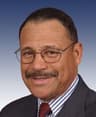 Sanford Bishop
Democrat · Georgia
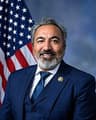 Ami Bera
Democrat · California
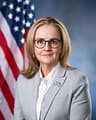 Madeleine Dean
Democrat · Pennsylvania
 Marcy Kaptur
Democrat · Ohio
 Mike Quigley
Democrat · Illinois
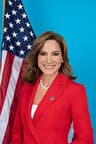 Maria Salazar
Republican · Florida
 Joe Wilson
Republican · South Carolina