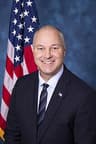
A Republican bill with no cosponsors
Last activity — Referred to the Committee on the Judiciary, and in addition to the Committee on Education and Workforce, for a period to be subsequently determined by the Speaker, in each case for consideration of such provisions as fall within the jurisdiction of the committee concerned.
In committee
Introduced and handed to a committee in the chamber it started in.
The committee holds it, and most bills are never heard from again. A hearing or a committee vote would be news; silence is the usual outcome, and it kills the bill without anyone voting against it.
Its path through Congress
- Introduced
- In Committee
What this bill would do
This bill, known as the "Stop Fraud by SOMALIA Act," aims to amend the Child Care and Development Block Grant Act of 1990. It establishes strict penalties for child care providers found guilty of fraud, including permanent debarment from federal assistance. The legislation also mandates that states reimburse the Secretary for financial assistance obtained through fraud. For alien child care providers, the bill implements severe immigration consequences such as debarment, inadmissibility, and deportability. Additionally, it mandates expedited removal and detention for these individuals.
Yes
- Scored +5
Does this tighten control of the border?
The bill strengthens immigration enforcement through mandatory detention and expedited removal for certain providers.
- Scored +3
Does this reduce what the federal government spends?
The bill seeks to recover misspent funds through State reimbursements and debarment of fraudulent providers.
- Scored +2
Does this make what the government does easier for the public to see?
The bill increases oversight and accountability for the use of federal child care funds.
The opposite· 3 of 5
- Scored -8
Would immigrants be better off under this?
The bill implements severe immigration penalties, including debarment, deportation, and expedited removal for alien providers.
- Scored -7
Does this make it easier for immigrants already here to become citizens?
The bill imposes strict ineligibility for asylum and adjustment of status for alien providers found guilty of fraud.
- Scored -5
Would Hispanic Americans be better off under this?
The bill targets 'alien' providers with severe immigration consequences like deportation and expedited removal.
Who it would affect, and how
Potential Positive Impacts for People
-
Accountability for Fraudulent Providers: The bill requires the Secretary to demand reimbursement from States for financial assistance obtained through fraud, ensuring that misappropriated funds are returned (Section 2, Subparagraph B).
-
Prevention of Future Fraud: By imposing mandatory permanent debarment, the bill prevents providers who have committed fraud from receiving or participating in any Federal child care assistance program funded by the Department of Health and Human Services (Section 2, Subparagraph D).
-
Criminal Prosecution: The bill requires the Secretary to refer matters involving administrative orders for debarment to the Attorney General to initiate Federal criminal investigations and potential prosecutions (Section 2, Subparagraph E).
-
Prevention of Fraud via Name Changes: The law prevents debarred providers from regaining eligibility by simply changing their name, reorganizing, or merging with another entity (Section 2, Subparagraph D).
Potential Negative Impacts for People
-
Financial Burdens on States: The Secretary can require a State to reimburse financial assistance by deducting an amount from the administrative portion of the State's allotment (Section 2, Subparagraph B).
-
Strict Immigration Consequences for Aliens: Alien child care providers found to have committed fraud face permanent debarment, which results in being inadmissible, deportable, and ineligible for asylum or adjustment of status (Sections 3, 4, and 5).
-
Mandatory Detention and Expedited Removal: The bill mandates the detention and expedited removal of certain alien child care providers, allowing for removal without further inquiry or hearing under specific conditions (Section 6).
-
Exemption from Regulatory Oversight: The Act allows officials to bypass requirements of the Paperwork Reduction Act and the Administrative Procedure Act if they determine compliance would impede immediate implementation (Section 7).
Groups and Interests Ranking
Every group the model scored this bill for, from -10 to +10. Tap or hover a score for the reason it gave.
- Demographic And Interest Groups
- Would immigrants be better off under this? — The bill implements severe immigration penalties, including debarment, deportation, and expedited removal for alien providers. Would Hispanic Americans be better off under this? — The bill targets 'alien' providers with severe immigration consequences like deportation and expedited removal. Would households on low incomes be better off under this? — The potential reduction in child care provider availability could negatively impact low-income families' access to care.
- Social Issues And Justice
- Does this tighten control of the border? — The bill strengthens immigration enforcement through mandatory detention and expedited removal for certain providers. Does this make it easier for immigrants already here to become citizens? — The bill imposes strict ineligibility for asylum and adjustment of status for alien providers found guilty of fraud. Does this make child care cost less? — The bill may reduce the supply of child care providers through strict debarment and immigration penalties.
- Economy And Finance
- Does this reduce what the federal government spends? — The bill seeks to recover misspent funds through State reimbursements and debarment of fraudulent providers.
- Governance And Ideology
- Does this make what the government does easier for the public to see? — The bill increases oversight and accountability for the use of federal child care funds.
- 3/12/2026
- Referred to the Committee on the Judiciary, and in addition to the Committee on Education and Workforce, for a period to be subsequently determined by the Speaker, in each case for consideration of such provisions as fall within the jurisdiction of the committee concerned.
- Introduced in House
One bill Congress.gov lists as related to this one — companions in the other chamber, earlier versions, and bills this one absorbed or was folded into.