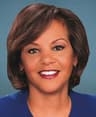
A Democratic bill with 2 Republican cosponsors · See all 8 cosponsors
Last activity — Referred to the Subcommittee on Nutrition and Foreign Agriculture.
In committee
Introduced and handed to a committee in the chamber it started in.
The committee holds it, and most bills are never heard from again. A hearing or a committee vote would be news; silence is the usual outcome, and it kills the bill without anyone voting against it.
Its path through Congress
- Introduced
- In Committee
What this bill would do
This bill, known as the "FOOD for Health Act," directs the Secretary of Agriculture to establish a pilot program for "Food is Medicine" grants. The program will award competitive grants to eligible entities to support various food-related health activities. These funds can be used for things like emergency feeding, medically tailored meals, and cooking skills training. The Secretary is instructed to prioritize programs using local foods or involving nutrition professionals. Additionally, the program aims to ensure geographic diversity across urban, rural, tribal, and territorial communities. The bill authorizes up to $20,000,000 for fiscal years 2027 through 2031.
Yes· 3 of 12
- Scored +5
Would households on low incomes be better off under this?
The program targets those at risk of diet-related diseases through affordable food and nutrition services.
- Scored +5
Does this make health care easier to get in general?
The program supports medically tailored meals, produce prescriptions, and transportation to health-related activities to improve accessibility.
- Scored +4
Is this likely to lift people out of poverty?
The bill funds emergency feeding operations and provides access to healthy, affordable food for program participants.
The opposite
No question was scored the opposite.
Who it would affect, and how
Potential Positive Impacts for People
-
Direct Support for Health Through Nutrition: The bill allows grants to fund various activities that can directly assist people, such as operating on-site emergency feeding, providing medically tailored groceries or meals, and offering produce prescriptions (Section 2(c)).
-
Skill Building and Health Promotion: Funds can be used to teach individual or group-based cooking skills, including through digital technologies, and to promote dietary intervention or other health-strategies (Section 2(c)).
-
Increased Accessibility: The program can fund the transportation of program participants to and from the communities served by the program (Section 2(c)).
-
Equitable Distribution of Resources: The Secretary is tasked with ensuring geographic diversity and the equitable treatment of urban, rural, and tribal communities, as well as communities in United States territories (Section 2(e)).
-
Targeted Medical Support: The program is designed to benefit those experiencing, at risk of, or recovering from a wide range of diet-related diseases, such as diabetes, obesity, hypertension, and cancer (Section 2(h)).
Potential Negative Impacts for People
- No specific negative impacts are explicitly stated in the provided text.
Groups and Interests Ranking
Every group the model scored this bill for, from -10 to +10. Tap or hover a score for the reason it gave.
- Demographic And Interest Groups
- Would households on low incomes be better off under this? — The program targets those at risk of diet-related diseases through affordable food and nutrition services. Would Native Americans be better off under this? — The bill explicitly instructs the Secretary to ensure the equitable treatment of tribal communities. Would people in rural areas be better off under this? — The bill mandates the Secretary to ensure the equitable treatment of rural communities. Would people in cities be better off under this? — The bill mandates the Secretary to ensure the equitable treatment of urban communities.
- Healthcare
- Does this make health care easier to get in general? — The program supports medically tailored meals, produce prescriptions, and transportation to health-related activities to improve accessibility. Does this make mental health care easier to get? — The bill defines diet-related diseases to include mental illness, such as depression and anxiety, as targets for the food-based interventions.
- Social Issues And Justice
- Is this likely to lift people out of poverty? — The bill funds emergency feeding operations and provides access to healthy, affordable food for program participants.
- Economy And Finance
- Is this likely to create jobs? — The establishment of a new $20,000,000 pilot program for food-related health activities may stimulate employment in community service and nutrition sectors. Does this reduce what the federal government spends? — The bill mandates a report to assess the effect of the program on system costs, implying a potential for long-term healthcare cost reduction.
- Environment Energy And Infrastructure
- Does this invest in rural communities? — The bill directs the Secretary to ensure geographic diversity and the equitable treatment of rural communities in the grant program.
- Education And Technology
- Does this put more money into scientific research? — The bill encourages the use of digital technologies for cooking skills training and requires reports on the impact of medical nutrition therapy.
- Governance And Ideology
- Does this make what the government does easier for the public to see? — The bill requires the Secretary to submit specific reports to Congress regarding the program's efficiency and participant outcomes.
- 4/3/2026
- Referred to the Subcommittee on Nutrition and Foreign Agriculture.
- 3/17/2026
- 2 Cosponsors added.
- 3/12/2026
- Referred to the Committee on Agriculture, and in addition to the Committee on Energy and Commerce, for a period to be subsequently determined by the Speaker, in each case for consideration of such provisions as fall within the jurisdiction of the committee concerned.
- 6 Cosponsors added.
- Introduced in House
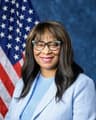 Janelle Bynum
Democrat · Oregon
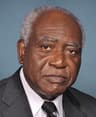 Danny Davis
Democrat · Illinois
 Brian Fitzpatrick
Republican · Pennsylvania
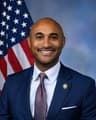 Shomari Figures
Democrat · Alabama
 Jennifer Kiggans
Republican · Virginia
 George Latimer
Democrat · New York
 Eleanor Norton
Democrat · District of Columbia
 Terri Sewell
Democrat · Alabama