
Sheri Biggs (R-SC)
National Guard Protective Zone Act
A Republican bill with 4 Republican cosponsors · See all 4 cosponsors
Last activity — Referred to the House Committee on the Judiciary.
In committee
Introduced and handed to a committee in the chamber it started in.
The committee holds it, and most bills are never heard from again. A hearing or a committee vote would be news; silence is the usual outcome, and it kills the bill without anyone voting against it.
Its path through Congress
- Introduced
- In Committee
What this bill would do
The National Guard Protective Zone Act establishes criminal penalties for people who interfere with National Guard protective zones. A protective zone is an area within 15 feet of a National Guard member that is marked by signs, warnings, or barricades. It is illegal to enter or stay in this zone to impede, intimidate, or interfere with a member's official duties during authorized deployments. Violators can face fines or up to 1 year in prison. This penalty increases to 5 years if the person makes physical contact, throws an object, or spits on the member.
Yes
- Scored +4
Does this give the federal government more power?
Amends the US Code to establish federal criminal penalties for interference with National Guard zones.
The opposite
- Scored -3
Does this shorten or soften prison sentences?
Creates new criminal penalties and increases prison terms for interfering with National Guard zones.
- Scored -2
Does this protect what people are allowed to say in public life?
Restricts movements and presence within 15 feet of Guard members, potentially impacting protest proximity.
- Scored -2
Does this protect the individual right to speak freely?
Creates legal barriers (15ft zones) that can restrict the proximity of speech and protest.
Who it would affect, and how
Potential Positive Impacts for People
-
Protection of National Guard members: Section 2(b) and 2(c) make it unlawful to impede, intimidate, or interfere with members during official duties, which can protect them from harm.
-
Stricter penalties for physical assault: Section 2(c)(2) increases the maximum prison term to 5 years if someone throws an object, spits on, or makes physical contact with a member.
Potential Negative Impacts for People
-
Criminal penalties for individuals: Section 2(c)(1) allows for individuals to be fined or imprisoned for up to 1 year for knowingly entering or remaining in a posted protective zone with the intent to interfere.
-
Increased prison time for specific actions: Section 2(c)(2) imposes a maximum term of 5 years of imprisonment for those who make physical contact, throw objects, or spit on National Guard members.
Groups and Interests Ranking
Every group the model scored this bill for, from -10 to +10. Tap or hover a score for the reason it gave.
- Social Issues And Justice
- Does this shorten or soften prison sentences? — Creates new criminal penalties and increases prison terms for interfering with National Guard zones. Does this protect what people are allowed to say in public life? — Restricts movements and presence within 15 feet of Guard members, potentially impacting protest proximity.
- Governance And Ideology
- Does this give the federal government more power? — Amends the US Code to establish federal criminal penalties for interference with National Guard zones. Does this protect the individual right to speak freely? — Creates legal barriers (15ft zones) that can restrict the proximity of speech and protest.
- 3/16/2026
- 1 Cosponsor added.
- 3/12/2026
- Referred to the House Committee on the Judiciary.
- 3 Cosponsors added.
- Introduced in House
One bill Congress.gov lists as related to this one — companions in the other chamber, earlier versions, and bills this one absorbed or was folded into.
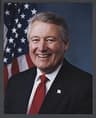 Rick Allen
Republican · Georgia
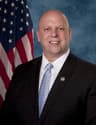 Scott DesJarlais
Republican · Tennessee
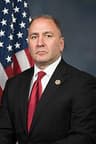 Clay Higgins
Republican · Louisiana
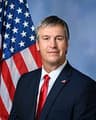 Barry Moore
Republican · Alabama