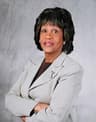
Maxine Waters (D-CA)
Incentivizing Safe and Sound Banking Act
A Democratic bill with no cosponsors
Last activity — Referred to the House Committee on Financial Services.
In committee
Introduced and handed to a committee in the chamber it started in.
The committee holds it, and most bills are never heard from again. A hearing or a committee vote would be news; silence is the usual outcome, and it kills the bill without anyone voting against it.
Its path through Congress
- Introduced
- In Committee
What this bill would do
The "Incentivizing Safe and Sound Banking Act" aims to prohibit stock sales by senior bank executives under certain circumstances. It grants authority to prohibit the sale of securities owned by current or former officers, directors, or institution-affiliated parties who received them as compensation. Additionally, it establishes an automatic prohibition for senior executive officers at covered banking institutions. This prohibition triggers if an institution has a specific rating or fails to remediate a supervisory notice. The ban remains in place until the matter is resolved to the satisfaction of the appropriate Federal banking agency.
Yes
- Scored +4
Does this give people more protection from unfair business practices?
The bill enhances consumer protection by discouraging risky behavior by senior bank executives through stock sale prohibitions.
- Scored +2
Does this make what the government does easier for the public to see?
The bill increases regulatory oversight of how senior banking officials manage their compensation-based securities.
The opposite
- Scored -3
Would high-income households be better off under this?
The bill restricts the ability of high-income bank executives to liquidate their compensation-based securities during periods of regulatory trouble.
- Scored -2
Would business owners be better off under this?
The bill imposes liquidity restrictions on senior executives of large banking institutions.
Who it would affect, and how
Potential Positive Impacts for People
-
Increased Regulatory Oversight of Executive Compensation: The bill expands the authority to issue cease and desist orders to include prohibiting the sale of securities received as compensation by officers, directors, or institution-affiliated parties (Section 2(a)).
-
Automatic Safeguards for Large Institutions: For banks with more than $50,000,000,000 in consolidated assets, senior executives are prohibited from selling compensation-based securities if the bank receives a low rating or fails to fix a supervisory notice by a set deadline (Section 2(b)).
-
Requirement for Issue Resolution: The prohibition on selling securities stays in effect until a problematic matter is resolved to the satisfaction of the appropriate Federal banking agency (Section 2(b)).
Potential Negative Impacts for People
- Restrictions on Executive Asset Liquidity: Senior executive officers at covered banking institutions—including large bank holding companies or subsidiaries with over $50,000,000,000 in assets—may be unable to sell their securities if the institution receives a specific rating or fails to remediate a supervisory notice (Section 2(b)).
Groups and Interests Ranking
Every group the model scored this bill for, from -10 to +10. Tap or hover a score for the reason it gave.
- Demographic And Interest Groups
- Would high-income households be better off under this? — The bill restricts the ability of high-income bank executives to liquidate their compensation-based securities during periods of regulatory trouble. Would business owners be better off under this? — The bill imposes liquidity restrictions on senior executives of large banking institutions.
- Economy And Finance
- Does this give people more protection from unfair business practices? — The bill enhances consumer protection by discouraging risky behavior by senior bank executives through stock sale prohibitions.
- Governance And Ideology
- Does this make what the government does easier for the public to see? — The bill increases regulatory oversight of how senior banking officials manage their compensation-based securities.
- 3/9/2026
- Referred to the House Committee on Financial Services.
- Introduced in House