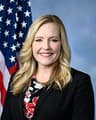
A Republican bill with 6 Democratic cosponsors · See all 11 cosponsors
Last activity — Referred to the House Committee on Energy and Commerce.
In committee
Introduced and handed to a committee in the chamber it started in.
The committee holds it, and most bills are never heard from again. A hearing or a committee vote would be news; silence is the usual outcome, and it kills the bill without anyone voting against it.
Its path through Congress
- Introduced
- In Committee
What this bill would do
This bill is known as the Providing Opportunities for Individuals in Need of Treatment and Support Act of 2026 or the POINTS Act of 2026. It amends the Public Health Service Act to create a grant program for providing services to individuals experiencing gambling addiction. The Assistant Secretary will make these grants on a competitive basis to States, Indian Tribes, and Tribal organizations. The funds will be used for prevention, screening, assessment, intervention, and treatment services related to gambling addiction. Priority will be given to applicants serving groups disproportionally impacted by gambling addiction, those operating in primary care settings, those partnering with community-based organizations, and those operating in health professional shortage areas. The bill also requires reports on the effectiveness of the grants and authorizes appropriations for the program.
Yes· 3 of 11
- Scored +7
Does this make mental health care easier to get?
The bill funds specialized treatment, prevention, and help lines for gambling addiction.
- Scored +6
Would Native Americans be better off under this?
The bill provides priority to programs serving Native Americans facing gambling addiction.
- Scored +6
Does this make health care easier to get in general?
The bill expands access to gambling addiction services through training, help lines, and specialized treatment.
The opposite
- Scored -1
Does this do more about addiction and overdose deaths?
While the bill addresses gambling addiction, it does not directly address the opioid crisis.
Who it would affect, and how
Potential Positive Impacts for People
-
Increased Access to Treatment Services (Section 2, adding Section 554(a)): This provision allows States, Indian Tribes, and Tribal organizations to establish, improve, or expand programs providing prevention, screening, assessment, intervention, and treatment services for individuals at risk of or experiencing clinical gambling addiction. This is positive because it helps people get the specific help they need for gambling addiction.
-
Support for High-Risk Groups (Section 2, adding Section 554(c)(1)): Priority is given to applicants that serve individuals who are disproportionally impacted by gambling addiction, including men, youth, Native Americans, members of the Armed Forces, and veterans. This is a positive step to ensure that vulnerable populations receive targeted assistance.
-
Help Lines and Real-Time Services (Section 2, adding Section 554(b)(4)): Grant recipients can use funds to establish or expand help lines or other real-time services, including coordinating with the National Problem Gambling Helpline. This provides individuals with immediate, accessible support when they need intervention.
-
Training for Health Care Providers (Section 2, adding Section 554(b)(1)): Funds can be used to provide training on screening, brief intervention, referral for treatment, and treatment to health care providers and health paraprofessionals. This helps ensure that professionals in primary care and behavioral health settings are better equipped to identify and address gambling addiction.
Potential Negative Impacts for People
- No negative impacts identified in the text.
Groups and Interests Ranking
Every group the model scored this bill for, from -10 to +10. Tap or hover a score for the reason it gave.
- Demographic And Interest Groups
- Would Native Americans be better off under this? — The bill provides priority to programs serving Native Americans facing gambling addiction. Would men be better off under this? — The bill prioritizes programs that serve men, who are identified as disproportionately impacted by gambling addiction. Would people in rural areas be better off under this? — The bill prioritizes funding for programs operating in health professional shortage areas, including rural target areas. Would veterans be better off under this, taking everything together? — The bill prioritizes services for veterans to address gambling addiction. Would children be better off under this? — The bill prioritizes programs that serve youth as a disproportionately impacted group. Would households on low incomes be better off under this? — Addressing gambling addiction can help stabilize the financial health of low-income households.
- Healthcare
- Does this make mental health care easier to get? — The bill funds specialized treatment, prevention, and help lines for gambling addiction. Does this make health care easier to get in general? — The bill expands access to gambling addiction services through training, help lines, and specialized treatment. Does this do more about addiction and overdose deaths? — While the bill addresses gambling addiction, it does not directly address the opioid crisis.
- Social Issues And Justice
- Does this narrow racial gaps in how people are treated? — The bill gives priority to programs serving Native Americans, who are disproportionately impacted. Is this likely to lift people out of poverty? — By addressing gambling addiction, the bill may mitigate financial instability for at-risk individuals.
- National Security And Foreign Policy
- Does this increase the pay, pensions or support veterans receive? — The bill prioritizes programs that serve members of the Armed Forces and veterans for gambling addiction services.
- 10/6/2026
- 2 Cosponsors added.
- 9/28/2026
- 2 Cosponsors added.
- 9/4/2026
- 4 Cosponsors added.
- 3/9/2026
- Referred to the House Committee on Energy and Commerce.
- 3 Cosponsors added.
- Introduced in House
 Troy Carter
Democrat · Louisiana
 Brian Fitzpatrick
Republican · Pennsylvania
 Josh Gottheimer
Democrat · New Jersey
 Daniel Goldman
Democrat · New York
 Jennifer Kiggans
Republican · Virginia
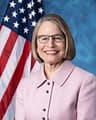 Mariannette Miller-Meeks
Republican · Iowa
 Andrea Salinas
Democrat · Oregon
 Michael Turner
Republican · Ohio
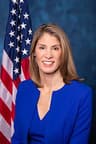 Lori Trahan
Democrat · Massachusetts
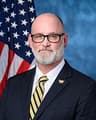 Derrick Van Orden
Republican · Wisconsin
 James Walkinshaw
Democrat · Virginia