
Jill Tokuda (D-HI)
Tariff Free Farming Act
A Democratic bill with 8 Democratic cosponsors · See all 8 cosponsors
Last activity — Referred to the House Committee on Ways and Means.
In committee
Introduced and handed to a committee in the chamber it started in.
The committee holds it, and most bills are never heard from again. A hearing or a committee vote would be news; silence is the usual outcome, and it kills the bill without anyone voting against it.
Its path through Congress
- Introduced
- In Committee
What this bill would do
This bill, titled the "Tariff Free Farming Act," aims to prevent the imposition of additional tariffs on specific agricultural inputs. It targets goods imported from countries that have been granted normal trade relations with the United States. The act specifies that no tariff or duty can exceed the rates that were in place as of January 19, 2025. These protections apply to a wide range of items necessary for farm production, including seeds, fertilizer, and machinery. The bill is intended to maintain stable costs for these essential agricultural goods.
Yes· 3 of 9
- Scored +7
Would farmers be better off under this?
The bill directly protects farmers by capping costs on essential supplies like seed, fertilizer, and machinery.
- Scored +5
Would business owners be better off under this?
The bill specifically benefits agricultural business owners by capping input costs.
- Scored +5
Would people in rural areas be better off under this?
Protecting agricultural inputs provides economic stability to rural communities.
The opposite
No question was scored the opposite.
Who it would affect, and how
Potential Positive Impacts for People
-
Price Stability for Farm Supplies: The bill prevents tariffs from being raised above the rates assessed on January 19, 2025, which could help keep costs predictable for agricultural producers (Section 2(a)).
-
Protection of Essential Inputs: By capping tariffs on items like seed, fertilizer, crop protection chemicals, and livestock feed, the bill protects against sudden cost increases for many types of farming (Section 2(b)).
-
Support for Farm Infrastructure and Operations: The bill covers various necessary goods such as fuel, energy, machinery, equipment, and building materials like steel and lumber, which are essential for maintaining farm operations (Section 2(b)).
-
Access to Health and Maintenance Supplies: The provision includes veterinary supplies and medicines, which are critical for livestock management (Section 2(b)).
Potential Negative Impacts for People
- No specific negative impacts are mentioned in the provided text.
Groups and Interests Ranking
Every group the model scored this bill for, from -10 to +10. Tap or hover a score for the reason it gave.
- Demographic And Interest Groups
- Would farmers be better off under this? — The bill directly protects farmers by capping costs on essential supplies like seed, fertilizer, and machinery. Would business owners be better off under this? — The bill specifically benefits agricultural business owners by capping input costs. Would people in rural areas be better off under this? — Protecting agricultural inputs provides economic stability to rural communities.
- Environment Energy And Infrastructure
- Does this invest in rural communities? — The bill supports the agricultural economy, which is central to many rural communities. Is this likely to lower the price at the pump? — By capping tariffs on fuel and energy articles, the bill could help stabilize fuel costs.
- Economy And Finance
- Does this make it easier to run a small business? — The bill supports small agricultural operations by preventing sudden increases in input costs. Is this likely to slow the rise in prices? — By capping tariffs on essential goods, the bill may help mitigate inflationary pressures on agricultural supplies.
- National Security And Foreign Policy
- Does this make trade with other countries easier? — The bill promotes stable trade relations by capping tariffs on specific agricultural imports.
- Governance And Ideology
- Does this give the federal government more power? — The bill limits the executive's ability to impose certain tariffs through emergency authorities.
- 3/2/2026
- 1 Cosponsor added.
- 2/25/2026
- Referred to the House Committee on Ways and Means.
- 7 Cosponsors added.
- Introduced in House
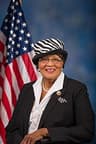 Alma Adams
Democrat · North Carolina
 Shomari Figures
Democrat · Alabama
 Jahana Hayes
Democrat · Connecticut
 Robin Kelly
Democrat · Illinois
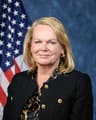 April McClain Delaney
Democrat · Maryland
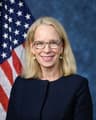 Kelly Morrison
Democrat · Minnesota
 Melanie Stansbury
Democrat · New Mexico
 Andrea Salinas
Democrat · Oregon