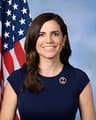
Nancy Mace (R-SC)
Safe Shelters for Survivors Act of 2026
A Republican bill with no cosponsors
Last activity — Referred to the House Committee on Financial Services.
In committee
Introduced and handed to a committee in the chamber it started in.
The committee holds it, and most bills are never heard from again. A hearing or a committee vote would be news; silence is the usual outcome, and it kills the bill without anyone voting against it.
Its path through Congress
- Introduced
- In Committee
What this bill would do
The Safe Shelters for Survivors Act of 2026 aims to restrict certain sex offenders from accessing specific shelter services. It prohibits covered shelters from providing services or shelter to covered sex offenders. Shelters that fail to comply with this rule will lose eligibility for Federal funds in the following fiscal year. Additionally, covered sex offenders are prohibited from entering or using the services of covered shelters, except to seek information on non-covered shelters. Failure to comply with these entry and notification requirements can result in fines or imprisonment for up to 5 years.
Yes
No question was scored yes.
The opposite· 3 of 6
- Scored -5
Does this shorten or soften prison sentences?
The bill introduces criminal penalties, including up to five years of imprisonment, for sex offenders who fail to comply with entry and notification requirements.
- Scored -3
Does this make housing cost less?
The bill restricts access to homeless shelters for certain individuals, which may impact housing stability for covered sex offenders.
- Scored -2
Is this likely to lift people out of poverty?
The bill reduces the accessibility of homeless shelters for a specific group of individuals experiencing poverty.
Who it would affect, and how
Potential Positive Impacts for People
-
Financial Accountability for Shelters: Under Section 2(a)(2), shelters that do not follow the rules are denied Federal funds, which creates a consequence for non-compliance.
-
Clear Rules for Interaction: Section 2(b)(3) allows shelter operators to provide information regarding non-covered shelters and the existing prohibitions once a sex offender has provided notification.
Potential Negative Impacts for People
-
Loss of Funding for Shelters: According to Section 2(a)(2), a covered shelter may become ineligible to receive any Federal funds during the following fiscal year if it fails to comply with the prohibition.
-
Legal Penalties for Sex Offenders: Section 2(b)(4) states that a covered sex offender who knowingly fails to comply with the entry or notification requirements can be fined or imprisoned for up to 5 years.
-
Restrictions on Shelter Use: Section 2(b)(1) prohibits covered sex offenders from entering or using the services of a covered shelter, except for the specific purpose of seeking information on non-covered shelters.
Groups and Interests Ranking
Every group the model scored this bill for, from -10 to +10. Tap or hover a score for the reason it gave.
- Social Issues And Justice
- Does this shorten or soften prison sentences? — The bill introduces criminal penalties, including up to five years of imprisonment, for sex offenders who fail to comply with entry and notification requirements. Does this make housing cost less? — The bill restricts access to homeless shelters for certain individuals, which may impact housing stability for covered sex offenders. Is this likely to lift people out of poverty? — The bill reduces the accessibility of homeless shelters for a specific group of individuals experiencing poverty. Is this likely to reduce homelessness? — The bill limits the pool of people eligible to use services at federally funded homeless shelters.
- Demographic And Interest Groups
- Would households on low incomes be better off under this? — The bill restricts access to essential homeless services for certain low-income individuals classified as sex offenders.
- Economy And Finance
- Does this reduce what the federal government spends? — The bill threatens the loss of federal funds for shelters that fail to comply with the new restrictions.
- 2/20/2026
- Referred to the House Committee on Financial Services.
- Introduced in House