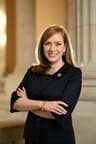
Lizzie Fletcher (D-TX)
To impose a hiring freeze on United States Immigration and Customs Enforcement, and for other purposes.
A Democratic bill with 27 Democratic cosponsors · See all 27 cosponsors
Last activity — Referred to the Subcommittee on Oversight, Investigations, and Accountability.
In committee
Introduced and handed to a committee in the chamber it started in.
The committee holds it, and most bills are never heard from again. A hearing or a committee vote would be news; silence is the usual outcome, and it kills the bill without anyone voting against it.
Its path through Congress
- Introduced
- In Committee
What this bill would do
This bill aims to impose a hiring freeze on United States Immigration and Customs Enforcement. Under this measure, no Federal funds can be used to appoint new individuals to positions within the agency. Additionally, the bill prohibits the detailing or transferring of any Federal employee to the agency. This freeze begins on the date the section is enacted. The freeze remains in effect until Congress passes a new law to supersede or modify it.
Yes
- Scored +3
Would immigrants be better off under this?
The hiring freeze on ICE may reduce the agency's capacity for enforcement actions against immigrants.
- Scored +2
Would Hispanic Americans be better off under this?
A reduction in ICE staffing and operations may decrease the frequency of immigration enforcement actions often affecting Hispanic communities.
- Scored +2
Does this reduce what the federal government spends?
The bill limits federal spending by prohibiting the obligation of funds for new appointments or employee transfers within ICE.
The opposite
- Scored -3
Does this tighten control of the border?
The hiring freeze on ICE personnel may impact the agency's capacity to conduct border and immigration enforcement operations.
- Scored -1
Does this give the federal government more power?
The bill uses federal legislative authority to restrict the operational capacity of a federal agency.
Who it would affect, and how
Potential Positive Impacts for People
- Financial Control: The bill prevents the obligation or expenditure of Federal funds for new appointments or employee transfers within United States Immigration and Customs Enforcement, as stated in Section 1(a).
Potential Negative Impacts for People
- Staffing Limitations: The bill prevents the agency from appointing new individuals or transferring current Federal employees to United States Immigration and Customs Enforcement, as stated in Section 1(a).
Groups and Interests Ranking
Every group the model scored this bill for, from -10 to +10. Tap or hover a score for the reason it gave.
- Demographic And Interest Groups
- Would immigrants be better off under this? — The hiring freeze on ICE may reduce the agency's capacity for enforcement actions against immigrants. Would Hispanic Americans be better off under this? — A reduction in ICE staffing and operations may decrease the frequency of immigration enforcement actions often affecting Hispanic communities.
- Social Issues And Justice
- Does this tighten control of the border? — The hiring freeze on ICE personnel may impact the agency's capacity to conduct border and immigration enforcement operations.
- Economy And Finance
- Does this reduce what the federal government spends? — The bill limits federal spending by prohibiting the obligation of funds for new appointments or employee transfers within ICE.
- Governance And Ideology
- Does this give the federal government more power? — The bill uses federal legislative authority to restrict the operational capacity of a federal agency.
- 9/2/2026
- 1 Cosponsor added.
- 8/31/2026
- 1 Cosponsor added.
- 8/3/2026
- 1 Cosponsor added.
- 7/22/2026
- 1 Cosponsor added.
- 3/12/2026
- 1 Cosponsor added.
- 2/25/2026
- 1 Cosponsor added.
- 2/11/2026
- 2 Cosponsors added.
- 2/9/2026
- 9 Cosponsors added.
- 2/6/2026
- Referred to the Subcommittee on Border Security and Enforcement.
- Referred to the Subcommittee on Oversight, Investigations, and Accountability.
- 2/5/2026
- Referred to the House Committee on Homeland Security.
- 10 Cosponsors added.
- Introduced in House
 Yvette Clarke
Democrat · New York
 Jasmine Crockett
Democrat · Texas
 Greg Casar
Democrat · Texas
 Danny Davis
Democrat · Illinois
 Madeleine Dean
Democrat · Pennsylvania
 Veronica Escobar
Democrat · Texas
 Lois Frankel
Democrat · Florida
 Valerie Foushee
Democrat · North Carolina
 Al Green
Democrat · Texas
 John Garamendi
Democrat · California
 Daniel Goldman
Democrat · New York
 Chrissy Houlahan
Democrat · Pennsylvania
 Henry Johnson
Democrat · Georgia
 Sara Jacobs
Democrat · California
 Robin Kelly
Democrat · Illinois
 Raja Krishnamoorthi
Democrat · Illinois
 Timothy Kennedy
Democrat · New York
 Greg Landsman
Democrat · Ohio
 Seth Moulton
Democrat · Massachusetts
 Mike Quigley
Democrat · Illinois
 Raul Ruiz
Democrat · California
 Terri Sewell
Democrat · Alabama
 Darren Soto
Democrat · Florida
 Norma Torres
Democrat · California
 Lori Trahan
Democrat · Massachusetts
 Shri Thanedar
Democrat · Michigan
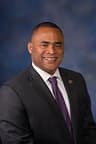 Marc Veasey
Democrat · Texas