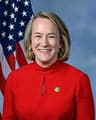
A Democratic bill with 1 Republican cosponsor · See all 2 cosponsors
Last activity — Referred to the Committee on Energy and Commerce, and in addition to the Committee on Ways and Means, for a period to be subsequently determined by the Speaker, in each case for consideration of such provisions as fall within the jurisdiction of the committee concerned.
In committee
Introduced and handed to a committee in the chamber it started in.
The committee holds it, and most bills are never heard from again. A hearing or a committee vote would be news; silence is the usual outcome, and it kills the bill without anyone voting against it.
Its path through Congress
- Introduced
- In Committee
What this bill would do
The More Behavioral Health Providers Act of 2026 aims to amend title XVIII of the Social Security Act. It seeks to expand eligibility for incentives within the Medicare health professional shortage area bonus program. This expansion specifically targets practitioners who provide mental health and substance use disorder services. The bill introduces new definitions for "specified health services" and "applicable practitioner" to facilitate these changes. By doing so, it adjusts how payments are made from the Federal Supplementary Medical Insurance Trust Fund.
Yes· 3 of 8
- Scored +5
Does this make mental health care easier to get?
The bill increases financial incentives for providers to work in mental health and substance use disorder shortage areas.
- Scored +4
Does this do more about addiction and overdose deaths?
The bill provides specific incentives for practitioners treating substance use disorders.
- Scored +3
Does this put more money into Medicare, the health coverage for people over 65?
The bill expands the bonus program for mental health and substance use services under Medicare.
The opposite
- Scored -1
Does this reduce what the federal government spends?
The bill increases federal payments to practitioners through the Medicare Trust Fund.
Who it would affect, and how
Potential Positive Impacts for People
-
Increased incentives for mental health and substance use treatment: The bill expands the bonus program to include "specified health services" which includes the diagnosis, evaluation, or treatment of mental health disorders or substance use disorders (Section 2, paragraph (5)).
-
Higher bonus percentages for specific services: For specified health services provided in a mental health professional shortage area, the payment to the practitioner or employer is an amount equal to 15 percent of the payment amount under this part (Section 2, paragraph (1)(B)).
-
Expanded provider roles: The bill expands the definition of "applicable practitioner" to include various professionals such as physician assistants, nurse practitioners, clinical nurse specialists, clinical social workers, clinical psychologists, marriage and family therapists, and mental health counselors (Section 2, paragraph (6)).
Potential Negative Impacts for People
- No specific negative impacts or burdens are explicitly identified in the provided text.
Groups and Interests Ranking
Every group the model scored this bill for, from -10 to +10. Tap or hover a score for the reason it gave.
- Healthcare
- Does this make mental health care easier to get? — The bill increases financial incentives for providers to work in mental health and substance use disorder shortage areas. Does this do more about addiction and overdose deaths? — The bill provides specific incentives for practitioners treating substance use disorders. Does this make health care easier to get in general? — The bill expands the types of practitioners eligible for Medicare bonuses to include mental health professionals. Does this put more money into Medicare, the health coverage for people over 65? — The bill expands the bonus program for mental health and substance use services under Medicare.
- Demographic And Interest Groups
- Would retired people be better off under this? — The bill enhances the care options available to retirees covered under Medicare through expanded provider incentives. Would people over 65 be better off under this? — The bill increases the availability of mental health and substance use services for Medicare beneficiaries. Would households on low incomes be better off under this? — Improved access to mental health services can benefit low-income populations who rely on Medicare.
- Economy And Finance
- Does this reduce what the federal government spends? — The bill increases federal payments to practitioners through the Medicare Trust Fund.
- Social Issues And Justice
- Is this likely to lift people out of poverty? — By addressing mental health shortages, the bill may indirectly support social stability for low-income individuals.
- 4/22/2026
- 1 Cosponsor added.
- 2/3/2026
- Referred to the Committee on Energy and Commerce, and in addition to the Committee on Ways and Means, for a period to be subsequently determined by the Speaker, in each case for consideration of such provisions as fall within the jurisdiction of the committee concerned.
- 1 Cosponsor added.
- Introduced in House
One bill Congress.gov lists as related to this one — companions in the other chamber, earlier versions, and bills this one absorbed or was folded into.
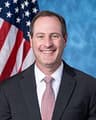 Tracey Mann
Republican · Kansas
 Eleanor Norton
Democrat · District of Columbia