
James Walkinshaw (D-VA)
True Shutdown Fairness Act
A Democratic bill with 37 Democratic cosponsors · See all 37 cosponsors
Last activity — Referred to the Committee on Oversight and Government Reform, and in addition to the Committees on Appropriations, House Administration, the Judiciary, and Armed Services, for a period to be subsequently determined by the Speaker, in each case for consideration of such provisions as fall within the jurisdiction of the committee concerned.
In committee
Introduced and handed to a committee in the chamber it started in.
The committee holds it, and most bills are never heard from again. A hearing or a committee vote would be news; silence is the usual outcome, and it kills the bill without anyone voting against it.
Its path through Congress
- Introduced
- In Committee
What this bill would do
The "True Shutdown Fairness Act" aims to provide funding to pay Federal employees and contractors during periods when appropriations lapse in fiscal year 2026. It ensures that covered employees and contract employees receive their standard employee compensation, including basic pay, allowances, and benefits. The bill requires agency heads to pay employees as soon as practicable if a lapse is already ongoing, or on scheduled pay dates for new lapses. Additionally, it allows for contract price adjustments to cover reasonable costs incurred by contractors due to a shutdown. Finally, the Act prohibits using these funds to implement permanent reductions in force or placing employees on administrative leave for more than 10 days.
Yes· 3 of 5
- Scored +1
Would households on low incomes be better off under this?
The bill ensures continued income for federal employees and contractors who may rely on regular paychecks.
- Scored +1
Would middle-income households be better off under this?
The bill protects the income of federal employees during government-wide funding gaps.
- Scored +1
Would union members be better off under this?
The bill ensures that federal employees receive their full standard compensation and benefits despite a shutdown.
The opposite
- Scored -1
Does this reduce what the federal government spends?
The bill increases government spending by providing new appropriations to pay employees during a shutdown.
Who it would affect, and how
Potential Positive Impacts for People
-
Guaranteed Pay for Federal Employees: The bill provides for "standard employee compensation" to "covered employees," which includes those who were furloughed or deemed excepted employees (Section 2(a)(3), Section 2(b)(1)(A)). This ensures workers receive their regular pay, allowances, and benefits even during a government shutdown.
-
Financial Protection for Contract Employees: The Act provides payments to agencies to cover the "standard employee compensation" of contract employees (Section 2(b)(1)(B)). This helps ensure that those working for contractors are not left without pay when agency work is interrupted or stopped.
-
Compensation for Contractor Costs: Contractors can receive price adjustments to cover "reasonable costs" incurred because of a lapse, such as paying employees who were furloughed, laid off, or had a reduction in hours or compensation (Section 2(c)(1), Section 2(c)(3)). This also includes costs to restore paid leave that employees were required to use during the lapse.
-
Job Security Measures: The bill prohibits the use of these funds to "propose or implement a reduction in force" or any similar effort to permanently reduce the number of agency employees during a lapse in appropriations (Section 3(b)(1)).
-
Protection Against Extended Administrative Leave: The Act prevents agencies from placing employees on administrative leave for more than 10 work days in any calendar year during a lapse (Section 3(b)(2)).
Potential Negative Impacts for People
- No explicit negative impacts are identified within the provided text.
Groups and Interests Ranking
Every group the model scored this bill for, from -10 to +10. Tap or hover a score for the reason it gave.
- Demographic And Interest Groups
- Would households on low incomes be better off under this? — The bill ensures continued income for federal employees and contractors who may rely on regular paychecks. Would middle-income households be better off under this? — The bill protects the income of federal employees during government-wide funding gaps. Would union members be better off under this? — The bill ensures that federal employees receive their full standard compensation and benefits despite a shutdown.
- National Security And Foreign Policy
- Does this increase the pay, pensions or support veterans receive? — The bill includes members of the Armed Forces as covered employees entitled to standard compensation during a shutdown.
- Economy And Finance
- Is this likely to create jobs? — The bill protects existing jobs by prohibiting reductions in force during a lapse in appropriations. Does this reduce what the federal government spends? — The bill increases government spending by providing new appropriations to pay employees during a shutdown.
- 4/20/2026
- 1 Cosponsor added.
- 4/16/2026
- 1 Cosponsor added.
- 4/2/2026
- 2 Cosponsors added.
- 3/26/2026
- 3 Cosponsors added.
- 3/24/2026
- 2 Cosponsors added.
- 3/12/2026
- 2 Cosponsors added.
- 3/9/2026
- 1 Cosponsor added.
- 3/5/2026
- 1 Cosponsor added.
- 2/20/2026
- 1 Cosponsor added.
- 2/17/2026
- 2 Cosponsors added.
- 2/11/2026
- 5 Cosponsors added.
- 2/10/2026
- 4 Cosponsors added.
- 2/9/2026
- 5 Cosponsors added.
- 2/3/2026
- 1 Cosponsor added.
- 2/2/2026
- Referred to the Committee on Oversight and Government Reform, and in addition to the Committees on Appropriations, House Administration, the Judiciary, and Armed Services, for a period to be subsequently determined by the Speaker, in each case for consideration of such provisions as fall within the jurisdiction of the committee concerned.
- 6 Cosponsors added.
- Introduced in House
 Donald Beyer
Democrat · Virginia
 Steve Cohen
Democrat · Tennessee
 André Carson
Democrat · Indiana
 Judy Chu
Democrat · California
 Angie Craig
Democrat · Minnesota
 Troy Carter
Democrat · Louisiana
 Mark DeSaulnier
Democrat · California
 Adriano Espaillat
Democrat · New York
 Sarah Elfreth
Democrat · Maryland
 Daniel Goldman
Democrat · New York
 Adelita Grijalva
Democrat · Arizona
 Josh Harder
Democrat · California
 Val Hoyle
Democrat · Oregon
 Glenn Ivey
Democrat · Maryland
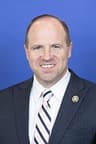 Timothy Kennedy
Democrat · New York
 Stephen Lynch
Democrat · Massachusetts
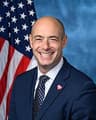 Greg Landsman
Democrat · Ohio
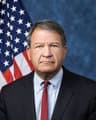 George Latimer
Democrat · New York
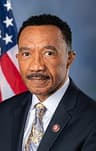 Kweisi Mfume
Democrat · Maryland
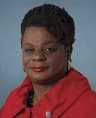 Gwen Moore
Democrat · Wisconsin
 Doris Matsui
Democrat · California
 Seth Moulton
Democrat · Massachusetts
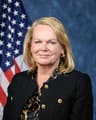 April McClain Delaney
Democrat · Maryland
 Kelly Morrison
Democrat · Minnesota
 Sarah McBride
Democrat · Delaware
 Eleanor Norton
Democrat · District of Columbia
 Joe Neguse
Democrat · Colorado
 Jimmy Panetta
Democrat · California
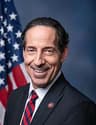 Jamie Raskin
Democrat · Maryland
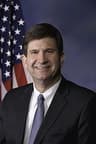 Bradley Schneider
Democrat · Illinois
 Eric Swalwell
Democrat · California
 Darren Soto
Democrat · Florida
 Haley Stevens
Democrat · Michigan
 Suhas Subramanyam
Democrat · Virginia
 Shri Thanedar
Democrat · Michigan
 Eugene Vindman
Democrat · Virginia
 Frederica Wilson
Democrat · Florida