
Scott Perry (R-PA)
Divesting from Communist China’s Military Act of 2026
A Republican bill with 1 Republican cosponsor · See the cosponsor
Last activity — Referred to the Committee on Foreign Affairs, and in addition to the Committee on Financial Services, for a period to be subsequently determined by the Speaker, in each case for consideration of such provisions as fall within the jurisdiction of the committee concerned.
In committee
Introduced and handed to a committee in the chamber it started in.
The committee holds it, and most bills are never heard from again. A hearing or a committee vote would be news; silence is the usual outcome, and it kills the bill without anyone voting against it.
Its path through Congress
- Introduced
- In Committee
What this bill would do
This bill, titled the "Divesting from Communist China's Military Act of 2026," seeks to tighten restrictions on investments in Chinese military entities. It requires the Secretary of the Treasury to add any entity identified as a Chinese military company to the Non-SDN Chinese Military-Industrial Complex Companies List. This inclusion must happen within 90 days of the Secretary of Defense identifying such an entity. Once listed, prohibitions from Executive Order 13959 will apply to the entity within 60 days. The bill also provides a one-year window for United States persons to sell their publicly traded securities in those entities. This measure aims to harmonize enforcement across different United States sanctions regimes.
Yes
- Scored +2
Does this strengthen ties with allied countries?
By restricting investments that finance the Chinese military, the bill aligns U.S. financial policy with national security interests regarding geopolitical rivals.
The opposite
- Scored -2
Would people with substantial wealth be better off under this?
The bill limits investment opportunities by mandating a divestment window for certain securities held in Chinese military companies.
- Scored -1
Would business owners be better off under this?
The bill imposes new regulatory restrictions on the types of securities that can be held or traded.
- Scored -1
Is this likely to grow the economy?
The bill restricts investment in certain Chinese entities, which may reduce capital availability for specific global sectors.
Who it would affect, and how
Potential Positive Impacts for People
-
Enhanced National Security Sanctions: By requiring the Secretary of the Treasury to include Chinese military companies on the NS-CMIC List, the bill helps ensure consistent treatment of entities that pose national security risks (Section 2, paragraph 7).
-
Protection Against Capital Exploitation: The bill addresses concerns that the Chinese government uses the private economy to resource and modernize its military, intelligence, and security apparatuses (Section 2, paragraph 1).
-
Investment Divestment Opportunity: The act provides a specific one-year window where a United States person may purchase or sell publicly traded securities issued by an entity to divest their holdings (Section 3, subsection b, paragraph 2).
Potential Negative Impacts for People
- Restrictions on Investment: Following the inclusion of an entity on the NS-CMIC List, the prohibitions set forth in Executive Order 13959 will apply, which restricts certain types of securities investments (Section 3, subsection b, paragraph 1).
Groups and Interests Ranking
Every group the model scored this bill for, from -10 to +10. Tap or hover a score for the reason it gave.
- Demographic And Interest Groups
- Would people with substantial wealth be better off under this? — The bill limits investment opportunities by mandating a divestment window for certain securities held in Chinese military companies. Would business owners be better off under this? — The bill imposes new regulatory restrictions on the types of securities that can be held or traded.
- National Security And Foreign Policy
- Does this strengthen ties with allied countries? — By restricting investments that finance the Chinese military, the bill aligns U.S. financial policy with national security interests regarding geopolitical rivals.
- Economy And Finance
- Is this likely to grow the economy? — The bill restricts investment in certain Chinese entities, which may reduce capital availability for specific global sectors.
- 1/14/2026
- Referred to the Committee on Foreign Affairs, and in addition to the Committee on Financial Services, for a period to be subsequently determined by the Speaker, in each case for consideration of such provisions as fall within the jurisdiction of the committee concerned.
- 1 Cosponsor added.
- Introduced in House
One bill Congress.gov lists as related to this one — companions in the other chamber, earlier versions, and bills this one absorbed or was folded into.
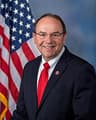 Thomas Tiffany
Republican · Wisconsin