
Tom Emmer (R-MN)
Securing Facilities for Mental Health Services Act
A Republican bill with 1 Democratic cosponsor · See the cosponsor
Last activity — Ordered to be Reported (Amended) by the Yeas and Nays: 49 - 0.
Introduced, nothing more yet
Formally proposed, and not yet handed to a committee.
Nearly every bill is sent to a committee within days. Introduction alone is not a sign of support, of momentum, or of any likelihood of passing — any member may introduce any bill.
Its path through Congress
- Introduced
What this bill would do
This bill is called the Securing Facilities for Mental Health Services Act. It amends section 242 of the National Housing Act. The goal is to provide parity regarding access to the mortgage insurance for hospitals program for licensed hospitals. The changes will take effect nine months after the date of enactment. Additionally, the Secretary of Housing and Urban Development must submit a report to Congress within two years to assess the results and effectiveness of this program expansion.
Yes· 3 of 37
- Scored +5
Does this make mental health care easier to get?
The act specifically targets securing facilities for mental health services by improving mortgage insurance parity.
- Scored +4
Would business owners be better off under this?
Beneficial for hospital owners and developers who can now access mortgage insurance.
- Scored +4
Would people with disabilities be better off under this?
Directly impacts the availability of facilities for psychiatric care.
The opposite
No question was scored the opposite.
Who it would affect, and how
Potential Positive Impacts for People
-
Section 2 updates the National Housing Act by amending section 242(b)(1) to provide parity regarding access to the mortgage insurance for hospitals program for licensed hospitals. This could be positive because it aims to give more licensed hospitals equal access to mortgage insurance.
-
Section 3 requires the Secretary of Housing and Urban Development to submit a report to Congress within a two-year period. This is positive because it holds officials accountable by assessing the results and effectiveness of the program expansion.
Potential Negative Impacts for People
- The provided text does not contain any specific sections or provisions that outline potential negative consequences or burdens for individuals or groups of people in the United States.
Groups and Interests Ranking
Every group the model scored this bill for, from -10 to +10. Tap or hover a score for the reason it gave.
- Demographic And Interest Groups
- Would business owners be better off under this? — Beneficial for hospital owners and developers who can now access mortgage insurance. Would people with disabilities be better off under this? — Directly impacts the availability of facilities for psychiatric care. Would households on low incomes be better off under this? — More facilities typically lead to better access for those relying on public health services. Would people in rural areas be better off under this? — Increases potential for mortgage insurance to attract facilities to rural areas. Would people in cities be better off under this? — Increases potential for new facility construction in urban centers. Would people in their twenties and thirties be better off under this? — Increases capacity for mental health services often utilized by young adults. Would Black Americans be better off under this? — Potential for increased facility placement in underserved communities. Would Asian Americans be better off under this? — Potential for increased facility placement in underserved communities. Would children be better off under this? — Increases potential for children's mental health facilities. Would Hispanic Americans be better off under this? — Potential for increased facility placement in underserved communities. Would immigrants be better off under this? — General improvement in healthcare infrastructure access. Would LGBTQ people be better off under this? — Increased capacity for mental health services. Would men be better off under this? — General improvement in healthcare infrastructure access. Would people in middle age be better off under this? — General improvement in healthcare infrastructure access. Would middle-income households be better off under this? — General improvement in healthcare infrastructure availability. Would Native Americans be better off under this? — Potential for increased facility placement in underserved communities. Would retired people be better off under this? — General improvement in healthcare infrastructure access. Would people over 65 be better off under this? — Increases potential for geriatric mental health facility expansion. Would students be better off under this? — Increases potential for campus-adjacent or community mental health facilities. Would veterans be better off under this, taking everything together? — Increased capacity for mental health services beneficial for PTSD treatment. Would white Americans be better off under this? — General improvement in healthcare infrastructure availability. Would women be better off under this? — General improvement in healthcare infrastructure access. Would billionaires be better off under this? — Potential for investment in healthcare real estate. Would farmers be better off under this? — Potential for improved rural health facility access. Would high-income households be better off under this? — General improvement in healthcare infrastructure availability. Would people with substantial wealth be better off under this? — Potential for investment in healthcare real estate. Would the very wealthiest people be better off under this? — Potential for investment in healthcare real estate. Would union members be better off under this? — Potential for increased healthcare construction jobs.
- Healthcare
- Does this make mental health care easier to get? — The act specifically targets securing facilities for mental health services by improving mortgage insurance parity. Does this make health care easier to get in general? — Increases the availability of funding for hospital facilities, potentially expanding service capacity. Does this do more about addiction and overdose deaths? — Increased mental health facility capacity supports addiction recovery and crisis response.
- Economy And Finance
- Is this likely to create jobs? — Expanded financing for hospitals may lead to construction and healthcare staffing growth. Is this likely to grow the economy? — Facilitates investment in healthcare infrastructure.
- Social Issues And Justice
- Does this expand the rights of people with disabilities? — Better access to mental health facilities benefits individuals with psychiatric disabilities. Is this likely to reduce homelessness? — Improved mental health facility access can reduce homelessness associated with psychiatric crises.
- Environment Energy And Infrastructure
- Does this invest in rural communities? — Mortgage parity may encourage hospital construction in underserved rural areas.
- Governance And Ideology
- Does this make what the government does easier for the public to see? — Requires the Secretary of HUD to report on the effectiveness of the program expansion.
- 9/16/2026
- Committee Consideration and Mark-up Session Held
- Ordered to be Reported (Amended) by the Yeas and Nays: 49 - 0.
- 1/13/2026
- Referred to the House Committee on Financial Services.
- 1 Cosponsor added.
- Introduced in House
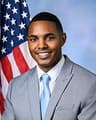 Ritchie Torres
Democrat · New York