
Ed Case (D-HI)
PROSPER in the Pacific Act
A Democratic bill with 1 Republican cosponsor · See the cosponsor
Last activity — Referred to the House Committee on Ways and Means.
In committee
Introduced and handed to a committee in the chamber it started in.
The committee holds it, and most bills are never heard from again. A hearing or a committee vote would be news; silence is the usual outcome, and it kills the bill without anyone voting against it.
Its path through Congress
- Introduced
- In Committee
What this bill would do
The PROSPER in the Pacific Act seeks to authorize preferential treatment for certain imports from specific Pacific Islands countries. The President is tasked with determining country eligibility based on specific trade requirements and standards regarding worker rights, human rights, and environmental laws. The bill also encourages the negotiation of free trade agreements to increase trade and private sector investment. Additionally, it mandates a trade facilitation and capacity building program to assist these nations with exporting and documentation. The President must provide regular reports to Congress regarding trade policy and the implementation of this Act. All duty-free treatment provided under this legislation is scheduled to end after December 31, 2036.
Yes· 3 of 11
- Scored +6
Does this strengthen ties with allied countries?
The bill aims to strengthen economic ties and diplomatic cooperation with Pacific Island nations to advance a free and open Indo-Pacific.
- Scored +5
Is this likely to create jobs?
The bill seeks to create sustainable job opportunities through preferential trade and increased private sector investment.
- Scored +4
Is this likely to grow the economy?
The act aims to promote inclusive economic development and increase trade through preferential treatment and free trade agreements.
The opposite
No question was scored the opposite.
Who it would affect, and how
Potential Positive Impacts for People
-
Economic Development and Jobs: Strengthening economic ties through a preferential trade program is intended to promote inclusive economic development, create sustainable job opportunities, and improve standards of living in the Pacific Islands (Section 2).
-
Regional Stability and Safety: A U.S.-led preferential trade program is intended to make Americans safer, stronger, and more prosperous by advancing a free and open Indo-Pacific (Section 2).
-
Support for Exporters: The creation of a trade facilitation and capacity building program aims to help governments support successful exporters and increase awareness among potential exporters regarding opportunities abroad and how to manage trade documentation (Section 6).
-
Financial and Digital Infrastructure: The program seeks to provide export finance training for financial institutions and assist governments in making trade regulations and documentation available on the internet (Section 6).
Potential Negative Impacts for People
-
Strict Eligibility Requirements: To receive preferential treatment, countries must meet specific standards regarding the rule of law, political pluralism, and the fight against corruption and bribery (Section 3).
-
Disqualification for Rights or Environmental Violations: Countries may be denied preferential treatment if they fail to effectively afford internationally recognized worker rights, engage in gross human rights violations, or fail to enforce environmental laws and obligations (Section 3).
-
Termination of Benefits: Any duty-free treatment provided through this act will cease to be in effect after December 31, 2036 (Section 8).
Groups and Interests Ranking
Every group the model scored this bill for, from -10 to +10. Tap or hover a score for the reason it gave.
- Economy And Finance
- Is this likely to create jobs? — The bill seeks to create sustainable job opportunities through preferential trade and increased private sector investment. Is this likely to grow the economy? — The act aims to promote inclusive economic development and increase trade through preferential treatment and free trade agreements. Does this make it easier to run a small business? — The trade facilitation program is designed to help exporters manage documentation and access new markets.
- Demographic And Interest Groups
- Would union members be better off under this? — The bill requires eligible countries to effectively afford internationally recognized worker rights, including the right to organize. Would households on low incomes be better off under this? — Economic development and poverty reduction efforts are intended to improve standards of living.
- Environment Energy And Infrastructure
- Does this better protect air, water and wildlife? — The bill mandates that eligible countries must effectively enforce environmental laws and fulfill international obligations. Does this invest in rural communities? — The bill targets the expansion of physical infrastructure as a factor for economic eligibility and development.
- National Security And Foreign Policy
- Does this strengthen ties with allied countries? — The bill aims to strengthen economic ties and diplomatic cooperation with Pacific Island nations to advance a free and open Indo-Pacific.
- Governance And Ideology
- Does this make what the government does easier for the public to see? — The bill encourages the digital publication of trade regulations and the establishment of robust public-private dialogues.
- Education And Technology
- Does this get reliable internet to more people? — The bill assists governments in making trade regulations and documentation available on the internet.
- Social Issues And Justice
- Does this narrow racial gaps in how people are treated? — The bill encourages economic development that can help reduce poverty and improve living standards for diverse populations.
- 3/25/2026
- 1 Cosponsor added.
- 12/11/2025
- Referred to the House Committee on Ways and Means.
- Introduced in House
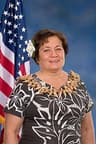 Aumua Amata Radewagen
Republican · American Samoa