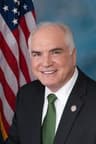
Mike Kelly (R-PA)
To modify the procedures for investigating claims of evasion of antidumping and countervailing duty orders.
A Republican bill with 5 Democratic cosponsors · See all 8 cosponsors
Last activity — Referred to the House Committee on Ways and Means.
In committee
Introduced and handed to a committee in the chamber it started in.
The committee holds it, and most bills are never heard from again. A hearing or a committee vote would be news; silence is the usual outcome, and it kills the bill without anyone voting against it.
Its path through Congress
- Introduced
- In Committee
What this bill would do
This bill proposes changes to the procedures for investigating claims of evasion regarding antidumping and countervailing duty orders. It would allow the Commissioner to self-initiate investigations if they have information suggesting merchandise has entered the U.S. through evasion. Additionally, it would change the rules for judicial review for those found to have engaged in such evasion. Under this change, a person could only seek judicial review after all liquidated duties, charges, or exactions are paid.
Yes
- Scored +3
Does this give people more protection from unfair business practices?
The bill increases oversight of merchandise evasion to ensure trade laws are properly enforced.
- Scored +3
Does this make trade with other countries easier?
The bill strengthens the enforcement of antidumping and countervailing duty orders to ensure fair trade.
- Scored +2
Does this tighten control of the border?
The bill enhances the Commissioner's ability to investigate the evasion of duty orders at the border.
The opposite
- Scored -4
Does this protect the right to fair treatment by the courts?
The bill imposes a financial prerequisite of paying all duties before a person can seek judicial review.
- Scored -2
Would business owners be better off under this?
The bill creates a financial barrier to legal recourse by requiring the payment of all duties before seeking judicial review.
Who it would affect, and how
Potential Positive Impacts for People
-
Enhanced Investigation Capabilities: The Commissioner is granted the power to self-initiate an investigation if they have information that reasonably suggests covered merchandise has been entered into the customs territory of the United States through evasion (Section 1(a)).
-
Requirement of Payment Before Review: A person determined to have entered covered merchandise through evasion must pay all liquidated duties, charges, or exactions before they can seek judicial review (Section 1(b)).
Potential Negative Impacts for People
- Burden of Payment for Judicial Review: Individuals or entities determined to have engaged in evasion face a financial burden, as they must pay all liquidated duties, charges, or exactions before they are permitted to seek judicial review (Section 1(b)).
Groups and Interests Ranking
Every group the model scored this bill for, from -10 to +10. Tap or hover a score for the reason it gave.
- Governance And Ideology
- Does this protect the right to fair treatment by the courts? — The bill imposes a financial prerequisite of paying all duties before a person can seek judicial review.
- Economy And Finance
- Does this give people more protection from unfair business practices? — The bill increases oversight of merchandise evasion to ensure trade laws are properly enforced.
- National Security And Foreign Policy
- Does this make trade with other countries easier? — The bill strengthens the enforcement of antidumping and countervailing duty orders to ensure fair trade.
- Demographic And Interest Groups
- Would business owners be better off under this? — The bill creates a financial barrier to legal recourse by requiring the payment of all duties before seeking judicial review.
- Social Issues And Justice
- Does this tighten control of the border? — The bill enhances the Commissioner's ability to investigate the evasion of duty orders at the border.
- 5/21/2026
- 1 Cosponsor added.
- 5/20/2026
- 1 Cosponsor added.
- 4/23/2026
- 1 Cosponsor added.
- 2/11/2026
- 1 Cosponsor added.
- 2/3/2026
- 1 Cosponsor added.
- 1/22/2026
- 1 Cosponsor added.
- 1/7/2026
- 1 Cosponsor added.
- 12/4/2025
- Referred to the House Committee on Ways and Means.
- 1 Cosponsor added.
- Introduced in House
 Christopher Deluzio
Democrat · Pennsylvania
 Jared Golden
Democrat · Maine
 Ashley Hinson
Republican · Iowa
 Ro Khanna
Democrat · California
 Carol Miller
Republican · West Virginia
 Frank Mrvan
Democrat · Indiana
 Terri Sewell
Democrat · Alabama
 Beth Van Duyne
Republican · Texas