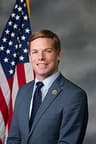
Eric Swalwell (D-CA)
Strengthening Loan Forgiveness for Public Service Workers Act
A Democratic bill with 8 Democratic cosponsors · See all 8 cosponsors
Last activity — Referred to the House Committee on Education and Workforce.
In committee
Introduced and handed to a committee in the chamber it started in.
The committee holds it, and most bills are never heard from again. A hearing or a committee vote would be news; silence is the usual outcome, and it kills the bill without anyone voting against it.
Its path through Congress
- Introduced
- In Committee
What this bill would do
This bill, known as the "Strengthening Loan Forgiveness for Public Service Workers Act," seeks to amend the Higher Education Act of 1965. It establishes a new program for canceling portions of eligible Federal Direct Loans for individuals employed in public service jobs. Under this proposal, borrowers can receive specific percentages of their loan canceled at various intervals of monthly payments. These intervals occur after 24, 48, 72, and 96 payments, with the remaining balance canceled after 120 payments. The goal is to provide structured loan forgiveness for those working in public service roles.
Yes· 3 of 8
- Scored +7
Does this reduce what student borrowers owe or repay?
The bill establishes a clear pathway to full principal and interest cancellation after 120 monthly payments in public service.
- Scored +6
Would people in their twenties and thirties be better off under this?
The bill targets student loan borrowers who are typically in their early professional years.
- Scored +6
Would students be better off under this?
The bill provides a clear mechanism for student loan cancellation based on future employment.
The opposite
- Scored -3
Does this reduce what the federal government spends?
The bill reduces federal revenue by canceling portions of student loan principal and interest.
Who it would affect, and how
Potential Positive Impacts for People
-
Incremental Loan Forgiveness: Borrowers can receive a 15 percent cancellation of their total loan amount at specific milestones: after 24, s48, 72, and 96 monthly payments, provided they were employed in a public service job during those periods (Section 2, paragraph 5, subparagraph B).
-
Full Balance Cancellation: After making 120 monthly payments while employed in a public service job, the Secretary shall cancel the remaining balance of principal and interest due on the eligible loan (Section 2, paragraph 5, subparagraph C, clause i).
-
Interest Protection: When a portion of a loan is canceled, the entire amount of interest that accrues for that year is also canceled (Section 2, paragraph 5, subparagraph E, clause i). Additionally, interest is canceled during the time the Secretary is processing a loan cancellation application (Section 2, paragraph 5, subparagraph E, clause ii).
-
Streamlined Employment Verification: The Secretary can certify a borrower's employment without requiring the borrower to submit information if the Secretary is able to confirm the requirements independently (Section 2, paragraph 5, subparagraph D, clause i).
Potential Negative Impacts for People
-
Loan Eligibility Restrictions: The new cancellation provisions apply only to eligible Federal Direct Loans made after the date of the Act's enactment (Section 2, paragraph 5, subparagraph A).
-
Employment Requirement Burdens: To receive the cancellation, a borrower must have been employed in a public service job during the specific period of the monthly payments being credited (Section 2, paragraph 5, subparagraph B).
-
Administrative Requirements for Certification: If the Secretary cannot confirm employment independently, the borrower must submit an employment certification form that includes self-certification and an employer certification section (Section 2, paragraph 5, subparagraph D, clause ii).
Groups and Interests Ranking
Every group the model scored this bill for, from -10 to +10. Tap or hover a score for the reason it gave.
- Demographic And Interest Groups
- Would students be better off under this? — The bill provides a clear mechanism for student loan cancellation based on future employment. Would people in their twenties and thirties be better off under this? — The bill targets student loan borrowers who are typically in their early professional years. Would households on low incomes be better off under this? — Loan forgiveness provides significant financial relief to individuals pursuing public service careers. Would middle-income households be better off under this? — The debt relief helps middle-income professionals working in public service roles.
- Education And Technology
- Does this reduce what student borrowers owe or repay? — The bill establishes a clear pathway to full principal and interest cancellation after 120 monthly payments in public service. Does this make college cost less? — The bill provides structured loan forgiveness and interest cancellation for eligible Federal Direct Loans.
- Social Issues And Justice
- Is this likely to lift people out of poverty? — Reducing student debt burdens can increase the disposable income of public service workers.
- Economy And Finance
- Is this likely to create jobs? — By incentivizing public service employment through loan forgiveness, the bill may encourage movement into those sectors. Does this reduce what the federal government spends? — The bill reduces federal revenue by canceling portions of student loan principal and interest.
- 3/18/2026
- 1 Cosponsor added.
- 3/17/2026
- 1 Cosponsor added.
- 11/21/2025
- Referred to the House Committee on Education and Workforce.
- 6 Cosponsors added.
- Introduced in House
One bill Congress.gov lists as related to this one — companions in the other chamber, earlier versions, and bills this one absorbed or was folded into.
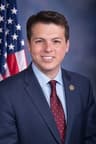 Brendan Boyle
Democrat · Pennsylvania
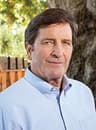 John Garamendi
Democrat · California
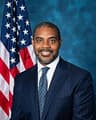 Steven Horsford
Democrat · Nevada
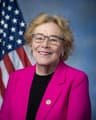 Zoe Lofgren
Democrat · California
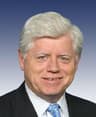 John Larson
Democrat · Connecticut
 Eleanor Norton
Democrat · District of Columbia
 Chellie Pingree
Democrat · Maine
 Eugene Vindman
Democrat · Virginia