
A Democratic bill with 3 Republican cosponsors · See all 11 cosponsors
Last activity — Referred to the Subcommittee on Health.
In committee
Introduced and handed to a committee in the chamber it started in.
The committee holds it, and most bills are never heard from again. A hearing or a committee vote would be news; silence is the usual outcome, and it kills the bill without anyone voting against it.
Its path through Congress
- Introduced
- In Committee
What this bill would do
The BRAVE Act of 2025 aims to improve the mental health services provided by the Department of Veterans Affairs. It seeks to strengthen the workforce by reviewing pay disparities and adjusting qualification requirements for certain mental health roles. The bill also focuses on expanding the infrastructure and technology of Vet Centers to better reach veterans. Specific provisions are included to improve mental health outreach and resources for women veterans. Additionally, the act addresses specialized needs, such as those for veterans with spinal cord injuries and those transitioning from military service.
Yes· 3 of 9
- Scored +9
Would veterans be better off under this, taking everything together?
The act provides comprehensive improvements to mental health services, staffing, and specialized care for veterans.
- Scored +9
Does this increase the pay, pensions or support veterans receive?
The bill directly improves veterans' access to mental health care, suicide prevention, and specialized residential treatment.
- Scored +8
Would women be better off under this?
The bill specifically targets improvements for women veterans through tailored suicide prevention and mental health outreach.
The opposite
No question was scored the opposite.
Who it would affect, and how
Potential Positive Impacts for People
-
Pay Equity and Staffing: The bill requires a report to assess pay disparities for Readjustment Counseling Service employees compared to the private sector and similar roles within the Department, which could help address staffing challenges (Section 101).
-
Flexible Qualifications: The bill allows for the waiver of licensure or certification requirements for licensed professional mental health counselors for a reasonable period, which may help increase staffing levels (Section 102).
-
Improved Coordination of Care: The bill mandates reports to ensure better coordination between the Veterans Health Administration and Vet Centers, specifically to support veterans at high risk for suicide (Section 103).
-
Better Outreach for Vet Centers: New requirements for demographic data and process assessments aim to help Vet Centers tailor their outreach and reduce barriers to accessing services (Section 203).
-
Enhanced Support for Women Veterans: The bill requires studies on the effectiveness of mental health resources for women, the modification of the REACH VET program to include risk factors like military sexual trauma, and a review of group retreat settings (Sections 301, 302, and 303).
-
Suicide Prevention Funding: The bill extends the Staff Sergeant Parker Gordon Fox Suicide Prevention Grant Program and increases grant amounts (Section 401).
-
Specialized Care for Spinal Cord Injuries: A new pilot program will provide access to mental health residential treatment for veterans with spinal cord injuries or disorders (Section 402).
-
Proactive Mental Health Consultations: The bill requires the Secretary to offer annual mental health consultations and outreach to veterans receiving compensation for mental health disabilities (Section 403).
Potential Negative Impacts for People
- Information Technology Uncertainties: The bill requires a report on whether the Department will retain or replace the "RCSNet" information technology platform, which manages daily work and operational data, creating potential questions regarding system stability or transition costs (Section 204).
Groups and Interests Ranking
Every group the model scored this bill for, from -10 to +10. Tap or hover a score for the reason it gave.
- Demographic And Interest Groups
- Would veterans be better off under this, taking everything together? — The act provides comprehensive improvements to mental health services, staffing, and specialized care for veterans. Would women be better off under this? — The bill specifically targets improvements for women veterans through tailored suicide prevention and mental health outreach. Would people with disabilities be better off under this? — The bill creates specialized mental health residential treatment for veterans with spinal cord injuries. Would households on low incomes be better off under this? — Improved mental health services can assist low-income veterans in maintaining stability. Would Hispanic Americans be better off under this? — The bill requires demographic data collection to improve outreach for all ethnic backgrounds.
- National Security And Foreign Policy
- Does this increase the pay, pensions or support veterans receive? — The bill directly improves veterans' access to mental health care, suicide prevention, and specialized residential treatment.
- Healthcare
- Does this make mental health care easier to get? — The bill expands mental health services through staffing adjustments, increased suicide prevention grants, and specialized residential treatment pilots.
- Education And Technology
- Does this put more money into scientific research? — The bill mandates several studies and reports to improve the effectiveness of veteran healthcare delivery.
- Social Issues And Justice
- Is this likely to lift people out of poverty? — By addressing mental health through pay equity and better outreach, the bill provides indirect support for economic stability.
- 10/13/2026
- 1 Cosponsor added.
- 7/16/2026
- 1 Cosponsor added.
- 6/10/2026
- 1 Cosponsor added.
- 4/16/2026
- 3 Cosponsors added.
- 3/24/2026
- 1 Cosponsor added.
- 12/15/2025
- 1 Cosponsor added.
- 12/11/2025
- 1 Cosponsor added.
- 12/5/2025
- 1 Cosponsor added.
- 12/3/2025
- Referred to the Subcommittee on Health.
- 11/12/2025
- Referred to the Committee on Veterans' Affairs, and in addition to the Committee on Armed Services, for a period to be subsequently determined by the Speaker, in each case for consideration of such provisions as fall within the jurisdiction of the committee concerned.
- 1 Cosponsor added.
- Introduced in House
One bill Congress.gov lists as related to this one — companions in the other chamber, earlier versions, and bills this one absorbed or was folded into.
 Donald Davis
Democrat · North Carolina
 Maggie Goodlander
Democrat · New Hampshire
 David Joyce
Republican · Ohio
 Jennifer Kiggans
Republican · Virginia
 Ted Lieu
Democrat · California
 Seth Moulton
Democrat · Massachusetts
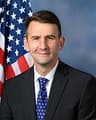 Frank Mrvan
Democrat · Indiana
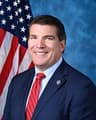 Jay Obernolte
Republican · California
 Thomas Suozzi
Democrat · New York
 Kim Schrier
Democrat · Washington
 Eric Sorensen
Democrat · Illinois