
Morgan McGarvey (D-KY)
Ohio River Restoration Program Act
A Democratic bill with 8 Republican cosponsors · See all 16 cosponsors
Last activity — Referred to the Subcommittee on Water Resources and Environment.
In committee
Introduced and handed to a committee in the chamber it started in.
The committee holds it, and most bills are never heard from again. A hearing or a committee vote would be news; silence is the usual outcome, and it kills the bill without anyone voting against it.
Its path through Congress
- Introduced
- In Committee
What this bill would do
The Ohio River Restoration Program Act creates a program and a National Program Office within the EPA to protect and restore the Ohio River Basin. It establishes a Program Director and an advisory council to develop actionable goals and a detailed action plan. The program focuses on large-scale restoration projects, including improving water quality, protecting wildlife, and increasing flood resilience. Funding is authorized at $350 million per year from fiscal years 2026 through 2030. The act requires public transparency through a website and regular reports to Congress.
Yes· 3 of 43
- Scored +9
Does this better protect air, water and wildlife?
The bill specifically focuses on water quality, toxic remediation, and wildlife habitat restoration.
- Scored +7
Would Native Americans be better off under this?
Specifically requires consultation with and consideration of Tribal Governments and needs.
- Scored +7
Does this better protect public land such as parks and forests?
The program aims to restore ecological functions and manage the river basin's natural systems.
The opposite· 3 of 4
- Scored -5
Does this reduce what the federal government spends?
The bill establishes a new program and office with significant annual funding authorizations.
- Scored -2
Does this leave more decisions to the states?
Centralizes coordination under a Federal Program Director within the EPA.
- Scored -2
Does this reduce what the federal government owes?
The bill authorizes new spending of $350 million annually from 2026 to 2030.
Who it would affect, and how
Potential Positive Impacts for People
-
Improved Water and Health: The bill aims to improve water quality in the basin and drinking water for people in the Ohio River States (Section 127(c)(2)(A)).
-
Safety and Resilience: The program seeks to increase community resilience to storm and flood risks by restoring natural systems (Section 127(c)(2)(B)).
-
Environmental Protection: The act provides for the remediation of toxic substances and the protection of fish and wildlife habitats (Section 127(c)(2)(C) and (E)).
-
Public Recreation: The bill supports the improvement of public access and recreation within the Ohio River Basin (Section 127(c)(2)(F)).
-
Community Support: The Program Director can provide grants to non-Federal entities, including local governments, nonprofits, and individuals, to carry out restoration activities (Section 127(c)(4)(B)).
-
Inclusion and Transparency: The act requires consultation with Tribal Governments and provides the public with an opportunity to comment on the action plan (Section 127(b)(3)(D) and (d)(7)).
Potential Negative Impacts for People
- Infrastructure Modification: The program's approach may involve removing or modifying existing structures such as dams, levees, and culverts (Section 127(c)(3)(B)).
Groups and Interests Ranking
Every group the model scored this bill for, from -10 to +10. Tap or hover a score for the reason it gave.
- Demographic And Interest Groups
- Would Native Americans be better off under this? — Specifically requires consultation with and consideration of Tribal Governments and needs. Would households on low incomes be better off under this? — Low-income areas are often more susceptible to flood risks and water pollution. Would people in rural areas be better off under this? — Direct investment in rural watersheds and natural infrastructure. Would people in cities be better off under this? — Urban areas often suffer most from river pollution and flash flooding. Would Black Americans be better off under this? — Positive impact on communities historically affected by industrial pollution in the Ohio River Valley. Would children be better off under this? — Cleaner water and healthier ecosystems provide long-term health benefits for children. Would farmers be better off under this? — Improved watershed management and flood resilience benefit agricultural lands. Would middle-income households be better off under this? — Benefits from improved environment and reduced flood risks. Would retired people be better off under this? — Improved public recreation and overall environmental health. Would white Americans be better off under this? — General public health and environmental benefits for residents of the basin. Would Asian Americans be better off under this? — General public health benefits from improved water quality. Would high-income households be better off under this? — Benefits from enhanced regional environmental quality and recreation. Would Hispanic Americans be better off under this? — General public health benefits from improved water quality. Would immigrants be better off under this? — General public health benefits from improved water quality. Would LGBTQ people be better off under this? — General health and environmental improvements. Would men be better off under this? — General health and environmental improvements. Would people in middle age be better off under this? — Increased flood resilience protects property and community assets. Would people over 65 be better off under this? — Improved water quality and increased public recreation access. Would students be better off under this? — Increases opportunities for research and educational outreach. Would union members be better off under this? — Restoration and infrastructure projects often employ union construction and environmental crews. Would veterans be better off under this, taking everything together? — General health and environmental improvements. Would women be better off under this? — General health and environmental improvements. Would people in their twenties and thirties be better off under this? — Increased recreation and potential for new green jobs in restoration. Would billionaires be better off under this? — General increase in regional environmental quality. Would business owners be better off under this? — Opportunities for contractors in restoration and an improved regional environment. Would people with substantial wealth be better off under this? — General increase in regional environmental quality. Would people with disabilities be better off under this? — Improvement of public access and recreation can benefit these groups. Would the very wealthiest people be better off under this? — General increase in regional environmental quality.
- Environment Energy And Infrastructure
- Does this better protect air, water and wildlife? — The bill specifically focuses on water quality, toxic remediation, and wildlife habitat restoration. Does this better protect public land such as parks and forests? — The program aims to restore ecological functions and manage the river basin's natural systems. Does this improve help for people hit by a disaster? — The bill focuses on increasing community resilience to flood and storm risks. Does this invest in rural communities? — Investment in the Ohio River Basin supports rural communities reliant on the river's health. Does this cut the pollution that drives climate change? — Restoring natural systems and watersheds can help sequester carbon and improve climate resilience.
- Governance And Ideology
- Does this make what the government does easier for the public to see? — Requires a public website and annual reports to Congress on all funding and progress. Does this give the federal government more power? — Creates a new National Program Office within the EPA to coordinate state and tribal actions. Does this make it easier to do business across state lines? — A coordinated basin-wide approach improves the shared resource used for interstate commerce. Does this leave more decisions to the states? — Centralizes coordination under a Federal Program Director within the EPA.
- Education And Technology
- Does this put more money into scientific research? — The bill authorizes data collection and evaluation to assess restoration effectiveness.
- Healthcare
- Does this make health care easier to get in general? — Improving water quality and reducing toxic substances has a positive indirect effect on public health. Does this put more money into medical research? — The bill authorizes activities for the collection and monitoring of environmental data.
- Economy And Finance
- Is this likely to create jobs? — Restoration projects and infrastructure modifications typically create local employment opportunities. Is this likely to grow the economy? — Investment in infrastructure and environmental restoration can stimulate regional economic activity. Does this make it easier to run a small business? — Grants for restoration activities may benefit local small businesses and contractors. Does this reduce what the federal government spends? — The bill establishes a new program and office with significant annual funding authorizations. Does this make the government pay for what it commits to? — Adds new long-term spending obligations to the federal budget. Does this reduce what the federal government owes? — The bill authorizes new spending of $350 million annually from 2026 to 2030.
- Social Issues And Justice
- Is this likely to lift people out of poverty? — Environmental restoration can improve the quality of life in underserved river communities.
- 5/21/2026
- 1 Cosponsor added.
- 3/25/2026
- 1 Cosponsor added.
- 3/19/2026
- 1 Cosponsor added.
- 3/4/2026
- 1 Cosponsor added.
- 2/24/2026
- 2 Cosponsors added.
- 1/7/2026
- 2 Cosponsors added.
- 12/2/2025
- 1 Cosponsor added.
- 11/8/2025
- Referred to the Subcommittee on Water Resources and Environment.
- 11/7/2025
- Referred to the House Committee on Transportation and Infrastructure.
- 7 Cosponsors added.
- Introduced in House
One bill Congress.gov lists as related to this one — companions in the other chamber, earlier versions, and bills this one absorbed or was folded into.
 André Carson
Democrat · Indiana
 Christopher Deluzio
Democrat · Pennsylvania
 Erin Houchin
Republican · Indiana
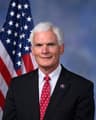 Robert Latta
Republican · Ohio
 Greg Landsman
Democrat · Ohio
 Summer Lee
Democrat · Pennsylvania
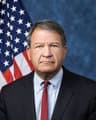 George Latimer
Democrat · New York
 Carol Miller
Republican · West Virginia
 Frank Mrvan
Democrat · Indiana
 Max Miller
Republican · Ohio
 April McClain Delaney
Democrat · Maryland
 Mark Messmer
Republican · Indiana
 Michael Rulli
Republican · Ohio
 Emilia Sykes
Democrat · Ohio
 Jefferson Shreve
Republican · Indiana
 Michael Turner
Republican · Ohio