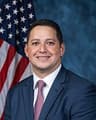
Tony Gonzales (R-TX)
Rural Veterans Dental Care Act
A Republican bill with no cosponsors
Last activity — Referred to the Subcommittee on Health.
In committee
Introduced and handed to a committee in the chamber it started in.
The committee holds it, and most bills are never heard from again. A hearing or a committee vote would be news; silence is the usual outcome, and it kills the bill without anyone voting against it.
Its path through Congress
- Introduced
- In Committee
What this bill would do
The Rural Veterans Dental Care Act establishes a pilot program starting October 1, 2026. This program is designed to provide dental care to veterans living in rural and highly rural areas. The Secretary of Veterans Affairs can use mobile vans, modular clinics, or temporary tents to deliver these services. Priority will be given to areas far from existing clinics or those with many veterans and unmet dental needs. The program is set to end on September 30, 2029. The Secretary must provide annual reports on the program's progress and costs.
Yes· 3 of 11
- Scored +9
Would veterans be better off under this, taking everything together?
Directly provides targeted dental healthcare services to veterans in underserved rural areas.
- Scored +8
Does this help veterans get medical care?
Establishes a pilot program specifically to provide dental care to veterans in rural areas.
- Scored +7
Would people in rural areas be better off under this?
Specifically targets rural and highly rural areas for healthcare delivery.
The opposite
No question was scored the opposite.
Who it would affect, and how
Potential Positive Impacts for People
-
Increased Access to Care: Veterans in rural and highly rural areas can receive dental services through mobile vans, modular clinics, or temporary structures (Section 2(b)).
-
Targeted Support for Remote Areas: Priority is given to locations more than 75 miles from a Secretary-operated dental clinic, helping those with the longest travel distances (Section 2(c)(1)).
-
Focus on High-Need Populations: The program prioritizes areas with a high concentration of veterans who have unmet dental needs (Section 2(c)(2)).
Potential Negative Impacts for People
- Limited Duration: The benefits of the program are temporary, as it is scheduled to terminate on September 30, 2029 (Section 2(d)).
Groups and Interests Ranking
Every group the model scored this bill for, from -10 to +10. Tap or hover a score for the reason it gave.
- Demographic And Interest Groups
- Would veterans be better off under this, taking everything together? — Directly provides targeted dental healthcare services to veterans in underserved rural areas. Would people in rural areas be better off under this? — Specifically targets rural and highly rural areas for healthcare delivery. Would retired people be better off under this? — Many retired veterans in rural areas will benefit from mobile clinic accessibility. Would people over 65 be better off under this? — Rural veterans are often seniors who would benefit from mobile dental services. Would households on low incomes be better off under this? — Provides essential healthcare services to those who may lack the means to travel long distances. Would farmers be better off under this? — Rural residents, including farmers who are veterans, gain easier access to healthcare.
- Healthcare
- Does this help veterans get medical care? — Establishes a pilot program specifically to provide dental care to veterans in rural areas. Does this make health care easier to get in general? — Increases access to dental services for remote and rural populations through mobile clinics.
- National Security And Foreign Policy
- Does this increase the pay, pensions or support veterans receive? — Expands available health benefits specifically for rural veterans.
- Environment Energy And Infrastructure
- Does this invest in rural communities? — Brings essential healthcare infrastructure (mobile clinics) into rural and highly rural areas.
- Governance And Ideology
- Does this make what the government does easier for the public to see? — Requires annual reporting on program progress and costs to Congress.
- 11/17/2025
- Referred to the Subcommittee on Health.
- 11/7/2025
- Referred to the House Committee on Veterans' Affairs.
- Introduced in House