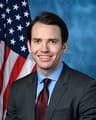
Kevin Kiley (I-CA)
Mono Lake Kootzaduka’a Tribe Recognition Act
A bill from an independent
Last activity — Referred to the House Committee on Natural Resources.
In committee
Introduced and handed to a committee in the chamber it started in.
The committee holds it, and most bills are never heard from again. A hearing or a committee vote would be news; silence is the usual outcome, and it kills the bill without anyone voting against it.
Its path through Congress
- Introduced
- In Committee
What this bill would do
This bill, called the "Mono Lake Kootzaduka'a Tribe Recognition Act," gives Federal recognition to the Mono Lake Kootzaduka'a Tribe. It makes the Tribe and its members eligible for all Federal services and benefits provided to recognized Indian Tribes. The bill grants hunting and fishing rights on Federal lands within the Tribe's aboriginal area. It also requires the Tribe to submit a membership roll to the Secretary of the Interior. Finally, it directs the Secretary to identify and accept certain Bureau of Land Management lands into trust for the Tribe's use.
Yes· 3 of 25
- Scored +10
Would Native Americans be better off under this?
Directly grants federal recognition and benefits to a specific Native American tribe.
- Scored +8
Would households on low incomes be better off under this?
Significant increase in available federal benefits and housing assistance.
- Scored +7
Does this make health care easier to get in general?
Members gain access to all Federal services and benefits provided to recognized Indian Tribes, including healthcare.
The opposite
No question was scored the opposite.
Who it would affect, and how
Potential Positive Impacts for People
-
Access to Federal Benefits: The Tribe and its members can get all services and benefits the U.S. provides to recognized Indian Tribes, regardless of whether they have a reservation or where they live (Section 4(a)).
-
Hunting and Fishing Rights: The Tribe is granted the right to hunt and fish on all Federal lands within its aboriginal land area (Section 5(c)).
-
Land for Development: The Secretary will identify Bureau of Land Management land in Mono County for the Tribe to use for housing, economic development, and government administration (Section 7(a)).
-
Protection of Existing Rights: The act does not take away any rights or privileges the Tribe or its members had before the act was passed (Section 5(a)).
Potential Negative Impacts for People
- Membership Requirements: To receive recognition and benefits, the Tribe must meet the condition of submitting a full membership roll to the Secretary within 18 months of the act's enactment (Section 6(a)).
Groups and Interests Ranking
Every group the model scored this bill for, from -10 to +10. Tap or hover a score for the reason it gave.
- Demographic And Interest Groups
- Would Native Americans be better off under this? — Directly grants federal recognition and benefits to a specific Native American tribe. Would households on low incomes be better off under this? — Significant increase in available federal benefits and housing assistance. Would people in rural areas be better off under this? — Brings federal resources and development to Mono and Inyo counties. Would business owners be better off under this? — New opportunities for economic development on trust lands. Would children be better off under this? — Access to federal health and education benefits for tribal children. Would people in middle age be better off under this? — Access to housing and economic development opportunities. Would retired people be better off under this? — Increased access to healthcare and federal benefits. Would people over 65 be better off under this? — Access to federal health services for seniors. Would students be better off under this? — Potential access to tribal educational grants. Would people in their twenties and thirties be better off under this? — Educational and economic opportunities resulting from tribal recognition. Would middle-income households be better off under this? — General improvement in tribal resources and recognition. Would farmers be better off under this? — Hunting and fishing rights on federal lands may benefit tribal subsistence activities.
- Social Issues And Justice
- Does this make housing cost less? — The bill explicitly directs the Secretary to identify land for the purpose of housing. Does this narrow racial gaps in how people are treated? — Federal recognition addresses historical wrongs and provides legal standing and resources to an Indigenous group. Is this likely to lift people out of poverty? — Access to federal benefits and economic development opportunities helps reduce poverty. Is this likely to reduce homelessness? — Provision of land for housing directly addresses homelessness within the Tribe. Does this make child care cost less? — Access to Federal Tribal benefits often includes childcare and family services.
- Healthcare
- Does this make health care easier to get in general? — Members gain access to all Federal services and benefits provided to recognized Indian Tribes, including healthcare. Does this make mental health care easier to get? — Eligibility for Federal Indian health services typically includes mental health support.
- Economy And Finance
- Is this likely to create jobs? — Provision for economic development land may lead to job creation within the Tribe. Is this likely to grow the economy? — Enabling economic development on trust lands can stimulate local economic growth. Does this make it easier to run a small business? — Federal recognition and land for economic development support tribal business ventures.
- Environment Energy And Infrastructure
- Does this invest in rural communities? — Land into trust for economic development and government administration boosts rural development in Mono County. Does this better protect public land such as parks and forests? — Formalizes the use of BLM land for a specific, recognized purpose.
- Education And Technology
- Does this make college cost less? — Federal recognition often opens paths to tribal scholarships and educational grants.
- 10/24/2025
- Referred to the House Committee on Natural Resources.
- Introduced in House