
A Republican bill with 17 Republican cosponsors · See all 17 cosponsors
Last activity — Referred to the House Committee on Appropriations.
In committee
Introduced and handed to a committee in the chamber it started in.
The committee holds it, and most bills are never heard from again. A hearing or a committee vote would be news; silence is the usual outcome, and it kills the bill without anyone voting against it.
Its path through Congress
- Introduced
- In Committee
What this bill would do
This bill is called the Shutdown Fairness Act. It provides funding for the pay and allowances of certain federal workers during a lapse in appropriations. The workers covered include excepted federal employees, certain contractors, and active duty members of the Armed Forces. It applies to fiscal year 2026 and any fiscal year thereafter. The funding lasts until regular appropriations are enacted into law. The Act has a retroactive effective date of September 30, 2025.
Yes· 3 of 6
- Scored +6
Would veterans be better off under this, taking everything together?
Explicitly ensures active duty members of the Armed Forces receive their pay and allowances during government shutdowns.
- Scored +5
Would middle-income households be better off under this?
Directly supports middle-class federal workers and military families by guaranteeing continuous salary and benefits during funding lapses.
- Scored +4
Would people in their twenties and thirties be better off under this?
Benefits younger federal employees and active-duty military personnel by ensuring uninterrupted pay during government shutdowns.
The opposite
No question was scored the opposite.
Who it would affect, and how
Potential Positive Impacts for People
- Section 2(b) ensures that excepted employees, including certain support contractors and active duty members of the Armed Forces, receive their standard rates of pay, allowances, pay differentials, benefits, and other regular payments while working during a lapse in appropriations. This is positive because it guarantees these individuals will be paid for the work they perform when regular government funding runs out.
Potential Negative Impacts for People
- Based on the provided text, there are no explicit negative impacts or burdens identified for individuals or groups of people in the United States.
Groups and Interests Ranking
Every group the model scored this bill for, from -10 to +10. Tap or hover a score for the reason it gave.
- Demographic And Interest Groups
- Would veterans be better off under this, taking everything together? — Explicitly ensures active duty members of the Armed Forces receive their pay and allowances during government shutdowns. Would middle-income households be better off under this? — Directly supports middle-class federal workers and military families by guaranteeing continuous salary and benefits during funding lapses. Would people in middle age be better off under this? — Provides financial security to middle-aged federal workers and contractors during funding lapses. Would people in their twenties and thirties be better off under this? — Benefits younger federal employees and active-duty military personnel by ensuring uninterrupted pay during government shutdowns. Would households on low incomes be better off under this? — Helps lower-income federal support contractors and entry-level employees avoid financial distress during government shutdowns.
- Economy And Finance
- Is this likely to grow the economy? — Guarantees continuous pay for federal workers and military personnel during shutdowns, helping to maintain household spending stability.
- 2/11/2026
- 1 Cosponsor added.
- 10/31/2025
- 1 Cosponsor added.
- 10/28/2025
- 1 Cosponsor added.
- 10/24/2025
- 6 Cosponsors added.
- 10/21/2025
- Referred to the House Committee on Appropriations.
- 8 Cosponsors added.
- Introduced in House
3 bills Congress.gov lists as related to this one — companions in the other chamber, earlier versions, and bills this one absorbed or was folded into.
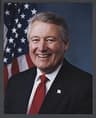 Rick Allen
Republican · Georgia
 Stephanie Bice
Republican · Oklahoma
 Don Bacon
Republican · Nebraska
 Warren Davidson
Republican · Ohio
 Darrell Issa
Republican · California
 Michael Lawler
Republican · New York
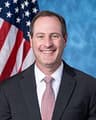 Tracey Mann
Republican · Kansas
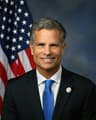 Daniel Meuser
Republican · Pennsylvania
 Mariannette Miller-Meeks
Republican · Iowa
 Ryan Mackenzie
Republican · Pennsylvania
 Mark Messmer
Republican · Indiana
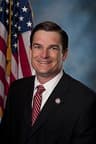 Austin Scott
Republican · Georgia
 Bryan Steil
Republican · Wisconsin
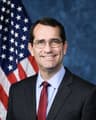 Derek Schmidt
Republican · Kansas
 Jefferson Shreve
Republican · Indiana
 Robert Wittman
Republican · Virginia
 Tony Wied
Republican · Wisconsin