
Suhas Subramanyam (D-VA)
Shutdown Guidance for Financial Institutions Act
A Democratic bill with 22 Democratic cosponsors · See all 22 cosponsors
Last activity — Referred to the Committee on Financial Services, and in addition to the Committee on the Budget, for a period to be subsequently determined by the Speaker, in each case for consideration of such provisions as fall within the jurisdiction of the committee concerned.
In committee
Introduced and handed to a committee in the chamber it started in.
The committee holds it, and most bills are never heard from again. A hearing or a committee vote would be news; silence is the usual outcome, and it kills the bill without anyone voting against it.
Its path through Congress
- Introduced
- In Committee
What this bill would do
The "Shutdown Guidance for Financial Institutions Act" requires Federal financial regulators to issue guidance to institutions they regulate. This guidance encourages financial institutions to work with consumers and businesses impacted by a Federal Government shutdown. It directs regulators to suggest that institutions recognize hardships regarding debt payments and consider modifying loan terms or extending credit. The bill also aims to prevent adverse information from harming a consumer's credit report due to these arrangements. Additionally, regulators must issue a press release when a shutdown begins and submit a report to Congress regarding the guidance's effectiveness after a shutdown ends.
Yes· 3 of 13
- Scored +5
Does this give people more protection from unfair business practices?
The bill protects consumer creditworthiness and encourages financial relief options during federal government shutdowns.
- Scored +4
Would middle-income households be better off under this?
Protects middle-class families working for the federal government from severe credit damage and debt distress during shutdowns.
- Scored +4
Does this make it easier to run a small business?
It encourages lenders to offer loan modifications and new credit options to businesses affected by federal shutdowns.
The opposite
No question was scored the opposite.
Who it would affect, and how
Potential Positive Impacts for People
-
Financial Support for Hardship: The bill encourages financial institutions to work with consumers and businesses facing difficulties due to a shutdown (Section 2, subsection a, paragraph 1). This could help those struggling with debt payments on mortgages, student loans, car loans, business loans, or credit cards (Section 2, subsection a, paragraph 2).
-
Loan Flexibility: Financial institutions are encouraged to consider modifying terms on existing loans or extending new credit to help those affected (Section 2, subsection a, paragraph 3).
-
Credit Score Protection: The guidance aims to prevent steps that would cause adverse information to be reported to consumer reporting agencies, which helps ensure that modified credit arrangements do not hurt a consumer's creditworthiness (Section 2, subsection a, paragraph 4).
-
Timely Information: Regulators are required to issue a press release within 24 hours of a shutdown starting to alert consumers and businesses to the available guidance (Section 2, subsection b).
Potential Negative Impacts for People
- No specific negative impacts are explicitly stated in the provided text.
Groups and Interests Ranking
Every group the model scored this bill for, from -10 to +10. Tap or hover a score for the reason it gave.
- Demographic And Interest Groups
- Would middle-income households be better off under this? — Protects middle-class families working for the federal government from severe credit damage and debt distress during shutdowns. Would business owners be better off under this? — Assists businesses experiencing substantial reductions in income during federal government shutdowns. Would households on low incomes be better off under this? — Provides vital support for hourly or lower-wage federal contractors and workers facing sudden paycheck interruptions. Would people in middle age be better off under this? — Supports middle-aged workers and business owners who rely on steady income or credit access. Would students be better off under this? — Helps student loan borrowers maintain payments or receive modified terms if affected by a shutdown. Would people in their twenties and thirties be better off under this? — Helps young adults who may hold student loans or early-career positions affected by government disruptions.
- Economy And Finance
- Does this give people more protection from unfair business practices? — The bill protects consumer creditworthiness and encourages financial relief options during federal government shutdowns. Does this make it easier to run a small business? — It encourages lenders to offer loan modifications and new credit options to businesses affected by federal shutdowns. Is this likely to grow the economy? — The bill encourages financial institutions to work with affected consumers and businesses, providing temporary economic stability during government shutdowns.
- Governance And Ideology
- Does this make what the government does easier for the public to see? — Mandates post-shutdown reports to Congress and public notices regarding available consumer guidance. Does this give the federal government more power? — Requires federal financial regulators to jointly issue coordinated guidance and report to Congress.
- Education And Technology
- Does this reduce what student borrowers owe or repay? — Encourages lenders to provide temporary flexibility and relief for student loan payments during shutdowns.
- Social Issues And Justice
- Is this likely to lift people out of poverty? — Helps prevent financial instability and distress for households experiencing sudden wage losses during government shutdowns.
- 9/16/2026
- 1 Cosponsor added.
- 4/6/2026
- 1 Cosponsor added.
- 11/12/2025
- 1 Cosponsor added.
- 10/31/2025
- 2 Cosponsors added.
- 10/28/2025
- 1 Cosponsor added.
- 10/21/2025
- 1 Cosponsor added.
- 10/17/2025
- 2 Cosponsors added.
- 10/14/2025
- 1 Cosponsor added.
- 10/10/2025
- 2 Cosponsors added.
- 10/8/2025
- 2 Cosponsors added.
- 10/3/2025
- Referred to the Committee on Financial Services, and in addition to the Committee on the Budget, for a period to be subsequently determined by the Speaker, in each case for consideration of such provisions as fall within the jurisdiction of the committee concerned.
- 8 Cosponsors added.
- Introduced in House
One bill Congress.gov lists as related to this one — companions in the other chamber, earlier versions, and bills this one absorbed or was folded into.
 Gabe Amo
Democrat · Rhode Island
 Joyce Beatty
Democrat · Ohio
 Donald Beyer
Democrat · Virginia
 André Carson
Democrat · Indiana
 Lizzie Fletcher
Democrat · Texas
 Steven Horsford
Democrat · Nevada
 Jahana Hayes
Democrat · Connecticut
 Pablo Hernández
Democrat · Puerto Rico
 William Keating
Democrat · Massachusetts
 Ted Lieu
Democrat · California
 Kweisi Mfume
Democrat · Maryland
 Jennifer McClellan
Democrat · Virginia
 John Mannion
Democrat · New York
 April McClain Delaney
Democrat · Maryland
 Eleanor Norton
Democrat · District of Columbia
 Jamie Raskin
Democrat · Maryland
 Emily Randall
Democrat · Washington
 Andrea Salinas
Democrat · Oregon
 Dina Titus
Democrat · Nevada
 Eugene Vindman
Democrat · Virginia
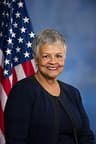 Bonnie Watson Coleman
Democrat · New Jersey
 James Walkinshaw
Democrat · Virginia