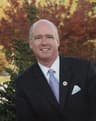
Robert Aderholt (R-AL)
Departments of Labor, Health and Human Services, and Education, and Related Agencies Appropriations Act, 2026
A Republican bill with no cosponsors
Last activity — Placed on the Union Calendar, Calendar No. 227.
Cleared committee, waiting for its first floor vote
A committee approved it and it is on the calendar of the chamber it started in.
This is further than most bills get, and still no promise of a vote: the calendar is a queue, and the majority leadership decides what is called. A bill can sit here until the Congress ends.
Its path through Congress
- Introduced
- On Calendar
What this bill would do
This bill sets the yearly federal budget for the Departments of Labor, Health and Human Services, Education, and related agencies for the fiscal year ending September 30, 2026. It funds job training programs, health research institutes, and school assistance across the country. The legislation includes specific rules on how federal money can be spent and bans funds from being used for certain medical procedures like abortions. It also renames the Workforce Pell Grants as Trump Grants and AmeriCorps as the America First Corps. Finally, the bill places strict rules on federal agencies regarding foreign adversaries and specific executive orders.
Yes· 3 of 43
- Scored +3
Would households on low incomes be better off under this?
The legislation funds critical assistance programs like LIHEAP, Head Start, and education grants for disadvantaged students.
- Scored +3
Would veterans be better off under this, taking everything together?
The legislation provides dedicated appropriations for veteran employment, homeless veteran support, and transition assistance.
- Scored +3
Would people with disabilities be better off under this?
The bill appropriates substantial funding for special education under IDEA and vocational rehabilitation services.
The opposite· 3 of 11
- Scored -8
Does this make abortion easier to get?
- Scored -5
Would LGBTQ people be better off under this?
- Scored -5
Does this expand the rights of LGBTQ people?
Who it would affect, and how
Potential Positive Impacts for People
-
Support for Veterans and the Homeless: The bill provides $65,500,000 to assist homeless veterans and veterans at risk of homelessness, which can help individuals secure housing and stability (Title I, Veterans' Employment and Training).
-
Assistance for Low-Income Energy Costs: The legislation allocates $4,035,000,000 for the Low-Income Home Energy Assistance Act, helping families pay their heating and cooling bills (Title II, Low Income Home Energy Assistance).
-
Support for Students with Disabilities: The bill appropriates $15,493,264,000 for special education programs under the Individuals with Disabilities Education Act to support children with special needs (Title III, Special Education).
-
Higher Education Support for HBCUs: The legislation provides $20,150,000 for guaranteed loans under the Historically Black College and University Capital Financing Program to assist eligible institutions (Title III, Historically Black College and University Capital Financing Program Account).
-
Funding for Medical Research: The bill grants billions of dollars to various institutes within the National Institutes of Health, such as $7,272,159,000 for the National Cancer Institute to advance health treatments and research (Title II, National Cancer Institute).
Potential Negative Impacts for People
-
Restrictions on Healthcare Services: The bill prohibits federal funds from being used for abortions, except in cases of rape, incest, or danger to the mother's life, which restricts access to certain healthcare services for individuals (Title V, Sec. 506 and Sec. 507).
-
Limitations on Student Loan Relief: The legislation prevents the Department of Education from using funds to carry out specific student debt relief rules and income-driven repayment regulations, which may limit financial assistance for borrowers (Title III, Sec. 314).
-
Restrictions on Funding Related to Gender Identity: The bill prevents funds from being used for medical interventions intended to change an individual's body to no longer correspond to their biological sex, affecting certain healthcare treatments (Title II, Sec. 244).
Groups and Interests Ranking
Every group the model scored this bill for, from -10 to +10. Tap or hover a score for the reason it gave.
- Demographic And Interest Groups
- Would households on low incomes be better off under this? — The legislation funds critical assistance programs like LIHEAP, Head Start, and education grants for disadvantaged students. Would people with disabilities be better off under this? — The bill appropriates substantial funding for special education under IDEA and vocational rehabilitation services. Would veterans be better off under this, taking everything together? — The legislation provides dedicated appropriations for veteran employment, homeless veteran support, and transition assistance. Would children be better off under this? — The bill funds education, childcare assistance, and pediatric medical research initiatives. Would gun owners be better off under this? — The bill restricts federal research and funding from being used to promote gun control policies or firearm restrictions. Would people in rural areas be better off under this? — The bill includes dedicated funding for rural health programs, small rural hospitals, and rural development initiatives. Would people over 65 be better off under this? — Funding is provided for senior nutrition programs, aging services, and health research related to aging. Would students be better off under this? — The legislation funds student financial aid, K-12 education programs, and educational support services. Would Black Americans be better off under this? — The bill includes targeted funding and capital financing support for Historically Black Colleges and Universities (HBCUs). Would business owners be better off under this? — The bill supports various workforce training and apprenticeship programs that supply trained labor for businesses. Would farmers be better off under this? — Specific exemptions and provisions within labor rules address agricultural workforce needs. Would people in middle age be better off under this? — Adult employment and training services support mid-career workforce participants. Would middle-income households be better off under this? — Support for public education and workforce development benefits middle-class families. Would Native Americans be better off under this? — The bill allocates specific funding for Native American education, health programs, and tribal organizations. Would retired people be better off under this? — Support for senior services and aging programs provides benefits for retirees. Would people in cities be better off under this? — Urban communities benefit from robust funding for public health, education, and social services. Would people in their twenties and thirties be better off under this? — Job training programs and higher education funding provide opportunities for young adults. Would LGBTQ people be better off under this? Would women be better off under this? Would immigrants be better off under this?
- Education And Technology
- Does this put more money into public schools? — The legislation appropriates billions of dollars for elementary, secondary, and special education programs nationwide. Does this put more money into scientific research? — The legislation provides substantial appropriations to scientific and medical research agencies like the NIH. Does this make it easier to use public money at a school other than the local one? — The bill includes provisions and funding supporting charter school expansion and educational choice initiatives. Does this make college cost less? — The bill funds student financial assistance programs, including Pell Grants and institutional support for minority-serving institutions. Does this reduce what student borrowers owe or repay?
- National Security And Foreign Policy
- Does this increase the pay, pensions or support veterans receive? — The legislation provides substantial funding for veteran employment, training, and targeted assistance programs. Does this better protect the country from computer attacks? — The bill allocates specific funds from unobligated balances toward departmental cybersecurity enhancements.
- Social Issues And Justice
- Does this protect the freedom to practise a religion? — The bill contains explicit protections for religious organizations and individuals acting in accordance with traditional beliefs. Does this make housing cost less? — The bill provides dedicated funding to assist homeless veterans and individuals at risk of homelessness. Does this tighten control of the border? — The legislation includes provisions and funding restrictions relating to the placement and vetting of unaccompanied alien children. Does this make child care cost less? — The legislation allocates significant funding for the Child Care and Development Block Grant to assist low-income families. Does this expand the rights of people with disabilities? — The bill provides robust funding for special education programs under IDEA and vocational rehabilitation services. Is this likely to lift people out of poverty? — The legislation funds programs such as the Low-Income Home Energy Assistance Act to help families cover basic utility costs. Does this protect the right to own guns? — The bill restricts the use of funds to implement emergency public health orders that infringe upon Second Amendment rights. Is this likely to reduce homelessness? — Funding is allocated for programs targeted at assisting homeless populations, particularly veterans. Does this expand the rights of LGBTQ people? Does this put more limits on buying or owning guns? Does this narrow the gap between how men and women are treated? Does this narrow racial gaps in how people are treated?
- Healthcare
- Does this do more about addiction and overdose deaths? — The bill allocates substantial resources specifically for community opioid response and substance abuse prevention programs. Does this put more money into medical research? — The legislation appropriates billions of dollars for various institutes within the National Institutes of Health. Does this make mental health care easier to get? — The bill allocates dedicated funding for mental health services and substance use disorder treatment programs. Does this make the country readier for the next outbreak? — The bill provides substantial funding for medical countermeasures and pandemic preparedness programs through BARDA and the CDC. Does this help veterans get medical care? — The bill includes targeted funding to support healthcare access and loan repayment options for practitioners serving in Indian Health and veteran facilities. Does this make health care easier to get in general? — Significant funding is provided for primary care clinics and community health centers. Does this make abortion easier to get? Does this strengthen the Affordable Care Act? — The legislation restricts funds related to certain ACA rules and reporting obligations.
- Economy And Finance
- Is this likely to create jobs? — The bill allocates funding for workforce training programs and apprenticeship initiatives intended to support employment opportunities. Is this likely to grow the economy? — Funding for education, health research, and infrastructure support contributes positively to domestic capabilities. Does this make it easier to run a small business? — The bill provides resources and programs that can indirectly assist small business workforce development. Does this reduce what the federal government spends? — The legislation sets extensive federal appropriations for labor, health, education, and related agencies for fiscal year 2026.
- Environment Energy And Infrastructure
- Does this invest in rural communities? — The bill provides funding for rural health programs and rural hospital flexibility grants.
- Governance And Ideology
- Does this make what the government does easier for the public to see? — The bill mandates regular reporting on fund allocations, grant distributions, and agency operations. Does this leave more decisions to the states? — Certain provisions grant states greater operational flexibility in administering federal workforce and grant programs.
- 9/11/2025
- The House Committee on Appropriations reported an original measure, H. Rept. 119-271, by Mr. Aderholt.
- Placed on the Union Calendar, Calendar No. 227.
- Bill introduced.
2 bills Congress.gov lists as related to this one — companions in the other chamber, earlier versions, and bills this one absorbed or was folded into.