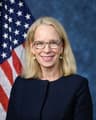
A Democratic bill with 1 Republican cosponsor · See the cosponsor
Last activity — Referred to the House Committee on Energy and Commerce.
In committee
Introduced and handed to a committee in the chamber it started in.
The committee holds it, and most bills are never heard from again. A hearing or a committee vote would be news; silence is the usual outcome, and it kills the bill without anyone voting against it.
Its path through Congress
- Introduced
- In Committee
What this bill would do
This bill aims to address maternity care shortages by expanding access to birth centers and testing new payment models. It creates a grant program to help eligible birth centers with start-up, expansion, equipment, and accreditation costs in underserved areas. The legislation also establishes a Medicaid demonstration program to test prospective payment systems for freestanding birth center services. States can apply for planning grants and participate in four-year demonstration programs to improve care for low-risk pregnancies. Finally, the Secretary is required to submit annual reports and recommendations to Congress regarding the outcomes and costs of these programs.
Yes· 3 of 20
- Scored +7
Does this make health care easier to get in general?
By funding start-up costs for birth centers in underserved areas and maternity care deserts, the bill improves access to maternal and newborn care.
- Scored +6
Would women be better off under this?
The bill directly supports women's health by increasing access to maternal care, birth centers, and improved postpartum support.
- Scored +5
Would households on low incomes be better off under this?
Medicaid beneficiaries and low-income pregnant women gain better access to specialized birth center payment models and care.
The opposite
No question was scored the opposite.
Who it would affect, and how
Potential Positive Impacts for People
-
Grants for Underserved Areas: Section 2 adds Section 399V-8 to the Public Health Service Act, authorizing grants between $300,000 and $500,000 for up to 15 birth centers per year from fiscal years 2026 through 2030. This helps birth centers renovate, buy equipment, and get licensed, which directly benefits people by increasing the availability of maternity care in areas with doctor shortages or poor health outcomes.
-
Improved Medicaid Payment Models: Section 3 amends the Social Security Act to create a Medicaid demonstration program exploring more effective payment models for freestanding birth center care. This is a positive step because it provides clear payment structures for prenatal care, labor and delivery, postpartum care, and newborn care, making it easier for low-income mothers with low-risk pregnancies to access birth center services.
-
Better Care Coordination and Safety Standards: Section 3 requires participating birth centers to meet strict criteria, including care coordination with other health facilities, having at least two qualified staff on-site at every birth, and establishing transfer plans with local hospitals. This benefits patients by ensuring high safety standards and smooth emergency transfers if complications arise.
Potential Negative Impacts for People
-
Funding Limitations and Caps: Section 2 limits grant funding to a total of $5,000,000 for the period of fiscal years 2026 through 2030, and caps the awards at up to 15 birth centers per year. This means many birth centers that need financial help will miss out, limiting how much care can actually be expanded for people in need.
-
Strict Participation Constraints for States: Section 3 outlines narrow parameters for states to apply for the Medicaid demonstration program, such as requiring a minimum number of birth centers and existing maternity care deserts. This could burden states that do not meet these exact criteria, leaving their residents unable to benefit from the new payment models and planning grants.
Groups and Interests Ranking
Every group the model scored this bill for, from -10 to +10. Tap or hover a score for the reason it gave.
- Demographic And Interest Groups
- Would women be better off under this? — The bill directly supports women's health by increasing access to maternal care, birth centers, and improved postpartum support. Would households on low incomes be better off under this? — Medicaid beneficiaries and low-income pregnant women gain better access to specialized birth center payment models and care. Would people in rural areas be better off under this? — Rural residents living in designated health professional shortage areas are explicitly prioritized for grant consideration. Would people in their twenties and thirties be better off under this? — Young adults of childbearing age directly benefit from expanded access to prenatal and maternity care services. Would Black Americans be better off under this? — The legislation helps address severe maternal mortality and morbidity rates often disproportionately impacting Black women. Would children be better off under this? — Newborn care is included within the scope of services covered and supported by the birth center initiatives. Would business owners be better off under this? — Owners and operators of freestanding birth centers can receive direct financial assistance through start-up and expansion grants. Would Hispanic Americans be better off under this? — Expands maternity care access in underserved areas, which frequently include Hispanic communities. Would middle-income households be better off under this? — Middle-class families may see expanded availability of local maternity care options. Would Native Americans be better off under this? — Maternity care shortage area priorities can benefit remote and Native American communities with limited healthcare access. Would people in cities be better off under this? — Urban underserved areas with maternity care deserts can benefit from the birth center grant programs.
- Healthcare
- Does this make health care easier to get in general? — By funding start-up costs for birth centers in underserved areas and maternity care deserts, the bill improves access to maternal and newborn care. Does this put more money into Medicaid, the health coverage for people on low incomes? — The bill establishes a Medicaid demonstration program and planning grants to test prospective payment systems for freestanding birth center services.
- Social Issues And Justice
- Does this narrow the gap between how men and women are treated? — The legislation specifically targets maternal health care access, benefiting women's health outcomes. Does this narrow racial gaps in how people are treated? — Improving access to birth centers in underserved areas can help address maternal health disparities affecting minority populations.
- Economy And Finance
- Does this make it easier to run a small business? — Independent and freestanding birth centers could benefit from start-up and expansion grants provided under the legislation. Is this likely to create jobs? — The bill supports the expansion and start-up of birth centers, which may create additional jobs for midwives, nurses, and administrative staff.
- Governance And Ideology
- Does this make what the government does easier for the public to see? — The bill requires regular reports and recommendations submitted to Congress regarding program outcomes and costs. Does this give the federal government more power? — The legislation authorizes federal grants and a federal Medicaid demonstration program administered by the Secretary of HHS.
- Environment Energy And Infrastructure
- Does this invest in rural communities? — The bill provides special consideration for grants in health professional shortage areas, which often include rural communities.
- 9/8/2025
- Referred to the House Committee on Energy and Commerce.
- 1 Cosponsor added.
- Introduced in House
One bill Congress.gov lists as related to this one — companions in the other chamber, earlier versions, and bills this one absorbed or was folded into.
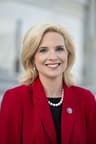 Ashley Hinson
Republican · Iowa