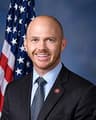
William Timmons (R-SC)
Clean and Managed Public Spaces Act
A Republican bill with no cosponsors
Last activity — Placed on the Union Calendar, Calendar No. 294.
Cleared committee, waiting for its first floor vote
A committee approved it and it is on the calendar of the chamber it started in.
This is further than most bills get, and still no promise of a vote: the calendar is a queue, and the majority leadership decides what is called. A bill can sit here until the Congress ends.
Its path through Congress
- Introduced
- On Calendar
What this bill would do
The "Clean and Managed Public Spaces Act" prohibits camping on public property in the District of Columbia. It amends the D.C. Official Code to make camping without lawful authority illegal. People who violate this rule can be fined up to $500, jailed for up to 30 days, or both. The bill defines camping as using temporary structures like tents or tarps for living or sleeping. It also includes sleeping inside or outside of motor vehicles.
Yes· 3 of 9
- Scored +4
Would business owners be better off under this?
Reducing camping in public spaces often benefits nearby commercial interests.
- Scored +4
Does this better protect public land such as parks and forests?
Aims to keep public spaces clean and managed by prohibiting unauthorized camping.
- Scored +3
Would people in cities be better off under this?
Residents of D.C. may see an increase in the availability and cleanliness of public spaces.
The opposite· 3 of 14
- Scored -9
Would households on low incomes be better off under this?
Specifically targets and penalizes the most vulnerable who rely on public spaces for shelter.
- Scored -8
Is this likely to reduce homelessness?
Does not provide housing solutions and instead penalizes the act of being homeless in public.
- Scored -7
Does this make housing cost less?
Criminalizes the result of a lack of affordable housing without providing alternatives.
Who it would affect, and how
Potential Positive Impacts for People
- Clean and Managed Public Spaces: The short title of the act suggests the goal is to keep public spaces clean and managed (Section 1).
Potential Negative Impacts for People
- Criminal Penalties: Individuals who camp on public property without lawful authority face a fine of up to $500 and/or imprisonment for up to 30 days (Section 2).
- Broad Definition of Camping: The ban applies to a wide range of activities, including using tents, tarps, sleeping bags, or blankets for bedding, as well as sleeping in or near motor vehicles (Section 2).
Groups and Interests Ranking
Every group the model scored this bill for, from -10 to +10. Tap or hover a score for the reason it gave.
- Social Issues And Justice
- Is this likely to reduce homelessness? — Does not provide housing solutions and instead penalizes the act of being homeless in public. Does this make housing cost less? — Criminalizes the result of a lack of affordable housing without providing alternatives. Is this likely to lift people out of poverty? — Imposes financial penalties on individuals who may be impoverished and homeless. Does this shorten or soften prison sentences? — Creates new criminal penalties for camping on public property. Does this change how police departments operate? — Increases criminalization of homelessness through new fines and jail time.
- Demographic And Interest Groups
- Would business owners be better off under this? — Reducing camping in public spaces often benefits nearby commercial interests. Would people in cities be better off under this? — Residents of D.C. may see an increase in the availability and cleanliness of public spaces. Would billionaires be better off under this? Would high-income households be better off under this? — May result in cleaner public parks and spaces for general use. Would people with substantial wealth be better off under this? Would middle-income households be better off under this? — May result in cleaner public parks and spaces for general use. Would the very wealthiest people be better off under this? Would households on low incomes be better off under this? — Specifically targets and penalizes the most vulnerable who rely on public spaces for shelter. Would immigrants be better off under this? — Undocumented immigrants may face higher risks of incarceration through these enforcement measures. Would people with disabilities be better off under this? — Individuals with disabilities are disproportionately represented among the homeless. Would veterans be better off under this, taking everything together? — Homeless veterans may be criminalized for sleeping in public spaces. Would Black Americans be better off under this? — Marginalized groups are disproportionately affected by homelessness and related criminalization. Would Hispanic Americans be better off under this? — Marginalized groups are disproportionately affected by homelessness and related criminalization. Would LGBTQ people be better off under this? — LGBTQ+ individuals are overrepresented in homeless populations. Would Native Americans be better off under this? — Marginalized groups are disproportionately affected by homelessness and related criminalization.
- Environment Energy And Infrastructure
- Does this better protect public land such as parks and forests? — Aims to keep public spaces clean and managed by prohibiting unauthorized camping.
- Governance And Ideology
- Does this give the federal government more power? — Congress is directly amending the D.C. Official Code, exercising federal oversight over the district. Does this protect the right to fair treatment by the courts? — Increases the likelihood of incarceration for the act of sleeping in public.
- 10/14/2025
- Reported (Amended) by the Committee on Oversight and Government Reform. H. Rept. 119-342.
- Placed on the Union Calendar, Calendar No. 294.
- 9/10/2025
- Committee Consideration and Mark-up Session Held
- Ordered to be Reported (Amended) by the Yeas and Nays: 25 - 20.
- 9/4/2025
- Referred to the House Committee on Oversight and Government Reform.
- Introduced in House