A Democratic bill with 4 Republican cosponsors · See all 6 cosponsors
Last activity — Referred to the House Committee on Education and Workforce.
In committee
Introduced and handed to a committee in the chamber it started in.
The committee holds it, and most bills are never heard from again. A hearing or a committee vote would be news; silence is the usual outcome, and it kills the bill without anyone voting against it.
Its path through Congress
- Introduced
- In Committee
What this bill would do
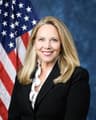
The "Feed Hungry Kids Act" is a bill introduced by Ms. Gillen and Mr. Valadao. It aims to amend the Richard B. Russell National School Lunch Act. Specifically, it lowers the minimum identified student percentage required for universal meal service in high poverty areas. This new threshold is set to 25 percent. The change takes effect for each school year beginning on or after July 1, 2025.
Yes· 3 of 24
- Scored +10
Would children be better off under this?
Directly expands access to free meals for school-aged children in high-poverty areas.
- Scored +10
Would students be better off under this?
Expands universal meal access, reducing hunger and improving focus in school.
- Scored +9
Would households on low incomes be better off under this?
Reduces food costs and increases food security for the poorest families.
The opposite
- Scored -2
Does this reduce what the federal government owes?
Expanding universal meal eligibility may increase federal spending on school lunches.
- Scored -2
Does this reduce what the federal government spends?
Lowering the threshold for universal meals likely increases government expenditure.
- Scored -1
Does this make the government pay for what it commits to?
Increases spending without explicitly identifying a funding source.
Who it would affect, and how
Potential Positive Impacts for People
- Lower threshold for universal meals: By lowering the threshold to 25 percent (Section 2), more schools in high poverty areas may qualify for universal meal service, potentially providing more students with access to meals.
Potential Negative Impacts for People
- No negative impacts for individuals or groups are explicitly mentioned in the provided text.
Groups and Interests Ranking
Every group the model scored this bill for, from -10 to +10. Tap or hover a score for the reason it gave.
- Demographic And Interest Groups
- Would children be better off under this? — Directly expands access to free meals for school-aged children in high-poverty areas. Would students be better off under this? — Expands universal meal access, reducing hunger and improving focus in school. Would households on low incomes be better off under this? — Reduces food costs and increases food security for the poorest families. Would Native Americans be better off under this? — Highly beneficial for tribal lands and reservations with high poverty rates. Would Black Americans be better off under this? — Positively impacts communities with higher poverty rates where these schools are often located. Would Hispanic Americans be better off under this? — Positively impacts communities with higher poverty rates where these schools are often located. Would people in rural areas be better off under this? — High poverty thresholds are common in rural school districts. Would people in cities be better off under this? — High poverty thresholds are common in urban school districts. Would immigrants be better off under this? — Provides essential nutrition for children in immigrant families in high-poverty areas. Would Asian Americans be better off under this? — Benefits students in high-poverty districts. Would men be better off under this? — Reduces financial stress on fathers and male heads of household. Would middle-income households be better off under this? — Families in schools meeting the 25% threshold benefit from universal meals. Would people with disabilities be better off under this? — Improves food access for students with disabilities in high-poverty areas. Would white Americans be better off under this? — Benefits students in high-poverty districts. Would women be better off under this? — Reduces financial stress on mothers and female heads of household. Would farmers be better off under this? — Potentially increases demand for agricultural products used in school meals.
- Social Issues And Justice
- Is this likely to lift people out of poverty? — Directly addresses food insecurity for children in high-poverty areas. Does this narrow racial gaps in how people are treated? — Increases meal access in high-poverty areas which often disproportionately affect minority communities. Does this make child care cost less? — Reduces the financial burden on parents for providing school meals. Is this likely to reduce homelessness? — Provides a critical basic resource for students who may be experiencing housing instability.
- Economy And Finance
- Does this reduce what the federal government spends? — Lowering the threshold for universal meals likely increases government expenditure. Does this reduce what the federal government owes? — Expanding universal meal eligibility may increase federal spending on school lunches. Does this make the government pay for what it commits to? — Increases spending without explicitly identifying a funding source.
- Education And Technology
- Does this put more money into public schools? — Increases funding eligibility for universal meals in more schools.
- Environment Energy And Infrastructure
- Does this invest in rural communities? — High-poverty areas targeted by this bill often include rural school districts.
- Healthcare
- Does this make health care easier to get in general? — Increasing access to school meals improves basic nutritional health for students.
- Governance And Ideology
- Does this give the federal government more power? — Amends federal standards for school meal eligibility.
- 3/2/2026
- 1 Cosponsor added.
- 12/18/2025
- 1 Cosponsor added.
- 10/24/2025
- 2 Cosponsors added.
- 10/6/2025
- 1 Cosponsor added.
- 9/4/2025
- Referred to the House Committee on Education and Workforce.
- 1 Cosponsor added.
- Introduced in House
 Robert Bresnahan
Republican · Pennsylvania
 Brian Fitzpatrick
Republican · Pennsylvania
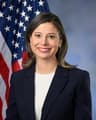 Maggie Goodlander
Democrat · New Hampshire
 Michael Lawler
Republican · New York
 Eric Sorensen
Democrat · Illinois
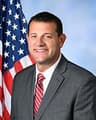 David Valadao
Republican · California