
Troy Carter (D-LA)
Transportation Worker Identification Credential Efficiency Act
A Democratic bill with 4 Republican cosponsors · See all 7 cosponsors
Last activity — Received in the Senate and Read twice and referred to the Committee on Commerce, Science, and Transportation.
In the other chamber's committee
Passed one chamber and has been handed to a committee in the other.
The committee decides whether it goes any further, and most bills that reach a committee never leave it. A committee that simply does nothing kills a bill without anyone ever voting against it, so no news from here is usually the news.
Its path through Congress
- Introduced
- Passed House voice vote
- In Senate committee
The House by voice vote (members called out yes or no together): no member's position on it was recorded.
What this bill would do
H.R. 5109, known as the Transportation Worker Identification Credential Efficiency Act or the TWICE Act, requires the Administrator of the Transportation Security Administration to develop specific guidelines to improve access to the Transportation Worker Identification Credential program. Within one year of the Act's enactment, the Administrator must create guidelines to improve access for returning citizens, help incarcerated individuals pre-apply or prepare applications, and assist individuals requesting appeals or waivers for preliminary ineligibility determinations. Additionally, the Administrator must brief Congress on the implementation of these guidelines within 180 days after they are developed.
Yes· 3 of 6
- Scored +5
Would households on low incomes be better off under this?
It assists returning citizens, who often face economic hardship, in securing employment.
- Scored +5
Is this likely to create jobs?
The bill facilitates employment for returning citizens by streamlining the TWIC card application process.
- Scored +4
Is this likely to lift people out of poverty?
By aiding job placement for returning citizens, the bill helps reduce poverty and recidivism.
The opposite
No question was scored the opposite.
Who it would affect, and how
Potential Positive Impacts for People
-
Improving access for returning citizens: Section 2(a)(1) requires guidelines to improve access to the program for individuals released from incarceration who are otherwise eligible, which helps them secure credentials for employment.
-
Assisting incarcerated individuals: Section 2(a)(2) requires guidelines to assist individuals who are incarcerated in pre-applying or preparing applications for TWIC cards, making the process smoother for them before release.
-
Helping with appeals and waivers: Section 2(a)(3) requires guidelines to assist individuals requesting an appeal or waiver of preliminary determinations of ineligibility for TWIC cards, ensuring people have support when fighting a denial.
Potential Negative Impacts for People
- Based on the provided text, there are no specific provisions identified that would cause negative consequences or burdens for individuals or groups of people in the United States.
Groups and Interests Ranking
Every group the model scored this bill for, from -10 to +10. Tap or hover a score for the reason it gave.
- Demographic And Interest Groups
- Would households on low incomes be better off under this? — It assists returning citizens, who often face economic hardship, in securing employment. Would business owners be better off under this? — It helps businesses access a pool of potential workers more efficiently.
- Economy And Finance
- Is this likely to create jobs? — The bill facilitates employment for returning citizens by streamlining the TWIC card application process. Is this likely to grow the economy? — By reducing unemployment through better access to port-related jobs, it may provide a minor boost to economic output.
- Social Issues And Justice
- Is this likely to lift people out of poverty? — By aiding job placement for returning citizens, the bill helps reduce poverty and recidivism.
- Governance And Ideology
- Does this protect the right to fair treatment by the courts? — The bill aids the appeal and waiver process for individuals seeking credential access.
- 9/16/2026
- Received in the Senate and Read twice and referred to the Committee on Commerce, Science, and Transportation.
- The title of the measure was amended. Agreed to without objection.
- Motion to reconsider laid on the table Agreed to without objection.
- Passed/agreed to in House: On motion to suspend the rules and pass the bill, as amended Agreed to by voice vote.
- On motion to suspend the rules and pass the bill, as amended Agreed to by voice vote. (text: CR H5896)
- DEBATE - The House proceeded with forty minutes of debate on H.R. 5109.
- Considered under suspension of the rules. (consideration: CR H5896-5898)
- Mr. Van Epps moved to suspend the rules and pass the bill, as amended.
- 9/15/2026
- Reported by the Committee on Homeland Security. H. Rept. 119-827.
- Placed on the Union Calendar, Calendar No. 725.
- 6/30/2026
- 2 Cosponsors added.
- 6/24/2026
- Subcommittee on Transportation and Maritime Security Discharged
- Committee Consideration and Mark-up Session Held
- Ordered to be Reported by the Yeas and Nays: 30 - 0.
- 5/15/2026
- 1 Cosponsor added.
- 5/12/2026
- 1 Cosponsor added.
- 10/3/2025
- 2 Cosponsors added.
- 9/4/2025
- Referred to the Subcommittee on Transportation and Maritime Security.
- 9/3/2025
- Referred to the House Committee on Homeland Security.
- 1 Cosponsor added.
- Introduced in House
2 bills Congress.gov lists as related to this one — companions in the other chamber, earlier versions, and bills this one absorbed or was folded into.
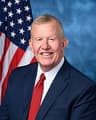 Mike Ezell
Republican · Mississippi
 Lizzie Fletcher
Democrat · Texas
 Daniel Goldman
Democrat · New York
 Clay Higgins
Republican · Louisiana
 Morgan Luttrell
Republican · Texas
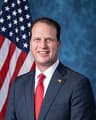 August Pfluger
Republican · Texas
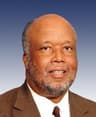 Bennie Thompson
Democrat · Mississippi