
A Republican bill with 7 Democratic cosponsors · See all 11 cosponsors
Last activity — Referred to the Committee on Energy and Commerce, and in addition to the Committee on Education and Workforce, for a period to be subsequently determined by the Speaker, in each case for consideration of such provisions as fall within the jurisdiction of the committee concerned.
In committee
Introduced and handed to a committee in the chamber it started in.
The committee holds it, and most bills are never heard from again. A hearing or a committee vote would be news; silence is the usual outcome, and it kills the bill without anyone voting against it.
Its path through Congress
- Introduced
- In Committee
What this bill would do
This bill, known as the "Train More Nurses Act," directs the Secretary of Health and Human Services and the Secretary of Labor to work together on a specific study. The officials are required to review all grant programs managed by their respective departments that are intended to support the nursing workforce. Following this review, they must submit a report to Congress within one year of the act's enactment. This report must include recommendations for changes to the grant programs to help meet specific goals. These goals include increasing nurse faculty, helping experienced nurses become faculty, and growing the nursing pipeline through new pathways.
Yes· 3 of 8
- Scored +3
Does this make health care easier to get in general?
The bill seeks to increase the nursing workforce and faculty to improve healthcare access through better training pipelines.
- Scored +2
Would people in their twenties and thirties be better off under this?
The bill creates career advancement pathways for practical nurses to become registered nurses.
- Scored +2
Would people in middle age be better off under this?
The bill proposes ways for experienced nurses with over 10 years of experience to transition into faculty roles.
The opposite
No question was scored the opposite.
Who it would affect, and how
Potential Positive Impacts for People
-
Increasing Nurse Faculty: The bill aims to provide recommendations to increase the number of nurse faculty, with a specific focus on underserved areas (Section 2, paragraph 2, subparagraph A). This could help ensure more students have access to nursing education in regions that need it most.
-
Career Pathways for Experienced Nurses: The act seeks to create ways for nurses with more than s10 years of clinical experience to transition into roles as faculty at schools of nursing (Section 2, paragraph 2, subparagraph B). This could allow experienced professionals to share their knowledge through teaching.
-
Growing the Nursing Pipeline: The bill includes recommendations to encourage more people to enter the field by creating pathways for licensed practical nurses to become registered nurses (Section 2, paragraph 2, subparagraph C). This could provide more opportunities for career advancement within the nursing profession.
Potential Negative Impacts for People
- No specific negative impacts are mentioned in the text.
Groups and Interests Ranking
Every group the model scored this bill for, from -10 to +10. Tap or hover a score for the reason it gave.
- Demographic And Interest Groups
- Would Black Americans be better off under this? — The focus on underserved areas may assist communities that are disproportionately Black. Would households on low incomes be better off under this? — Increasing the nursing workforce and faculty helps improve healthcare access in underserved areas often populated by low-income households. Would people in middle age be better off under this? — The bill proposes ways for experienced nurses with over 10 years of experience to transition into faculty roles. Would women be better off under this? — The bill supports the nursing profession, which is a field predominantly composed of women. Would people in their twenties and thirties be better off under this? — The bill creates career advancement pathways for practical nurses to become registered nurses.
- Healthcare
- Does this make health care easier to get in general? — The bill seeks to increase the nursing workforce and faculty to improve healthcare access through better training pipelines.
- Social Issues And Justice
- Does this narrow racial gaps in how people are treated? — The bill directs a focus on increasing nurse faculty in underserved areas, which often correlates with improving equity in healthcare access.
- Education And Technology
- Does this make college cost less? — By expanding nursing pipelines and career pathways, the bill supports professional development through educational advancement.
- 8/27/2026
- 1 Cosponsor added.
- 7/20/2026
- 1 Cosponsor added.
- 6/30/2026
- 1 Cosponsor added.
- 6/24/2026
- 1 Cosponsor added.
- 4/30/2026
- 1 Cosponsor added.
- 12/18/2025
- 1 Cosponsor added.
- 12/12/2025
- 1 Cosponsor added.
- 9/30/2025
- 1 Cosponsor added.
- 9/17/2025
- 1 Cosponsor added.
- 8/26/2025
- Referred to the Committee on Energy and Commerce, and in addition to the Committee on Education and Workforce, for a period to be subsequently determined by the Speaker, in each case for consideration of such provisions as fall within the jurisdiction of the committee concerned.
- 2 Cosponsors added.
- Introduced in House
One bill Congress.gov lists as related to this one — companions in the other chamber, earlier versions, and bills this one absorbed or was folded into.
 Josh Gottheimer
Democrat · New Jersey
 Young Kim
Republican · California
 Thomas Kean
Republican · New Jersey
 Jennifer Kiggans
Republican · Virginia
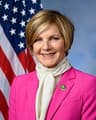 Susie Lee
Democrat · Nevada
 Michael Lawler
Republican · New York
 Brittany Pettersen
Democrat · Colorado
 Suhas Subramanyam
Democrat · Virginia
 Dina Titus
Democrat · Nevada
 Derek Tran
Democrat · California
 Eugene Vindman
Democrat · Virginia